


A quiet residential street at dusk lined with illuminated two-story brick houses and mature trees.

Furnace Repair in Port Huron, MI

Tell us about the job

Takes about a minute. No obligation.

RepairFurnace or heatingSt. Clair County, MI
Step 1 of 2

What ZIP code is the job in?

St. Clair County saw 110 severe weather events between 2015 and 2024. Most of that was wind, 82 events, with 13 winter storms and 11 hail events mixed in. Hail dents a furnace cabinet or cracks a flue vent without the furnace ever missing a heat cycle. Wind drives debris into the intake and exhaust pipes on the outside wall. None of that stops a furnace from running right away, but it can mean trouble the first hard freeze after.

8 months
October through May, your furnace is on duty
20°F
the average winter night it heats against
74%
of homes here heat with gas, so most furnaces here burn gas
13 winter storms
in ten years, the nights a failure hurts most
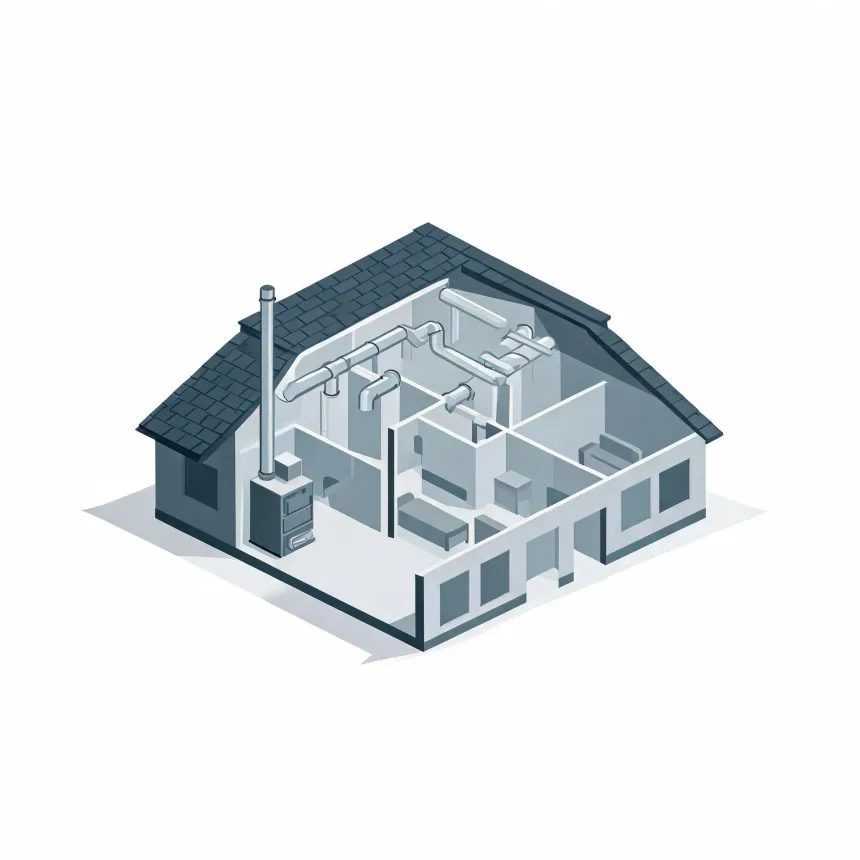
Isometric grayscale illustration of a cutaway house showing interior rooms, ceiling ductwork, a flue pipe, and a furnace unit on the left side.
Your furnace works hardest from November through March.

NOAA nClimDiv, 1991–2020 normals

A cracked heat exchanger, a dead igniter, a clogged flame sensor: most furnace failures trace back to a handful of worn parts.

That's good news for a repair call. A tech can usually find and fix the actual cause instead of guessing.

Eight months of heat a year wears a furnace down early

Heat runs October through May
Winter nights average 20°F
Climate zone 5A
Built for eight months of heatFurnace season starts in October here, and the cold doesn't let up until May.

Eight months of heat a year doesn't leave much room for a furnace to idle. When something's already wrong with it, that long a run gives it plenty of chances to show up. A tech who comes out for a repair call should check more than the part that failed. Whatever made that part fail is still there, and it's got eight months to work on the replacement too. Ask what caused the breakdown, not just what fixes it.

Had a storm come through? Get the vent and cabinet checked too

A furnace vent or intake on the outside wall can take a hit from wind or hail without the furnace skipping a cycle. If yours has been through a storm this year, it's worth having a tech look at the cabinet and the vent pipe while they're already out for the repair.

Find a contractor
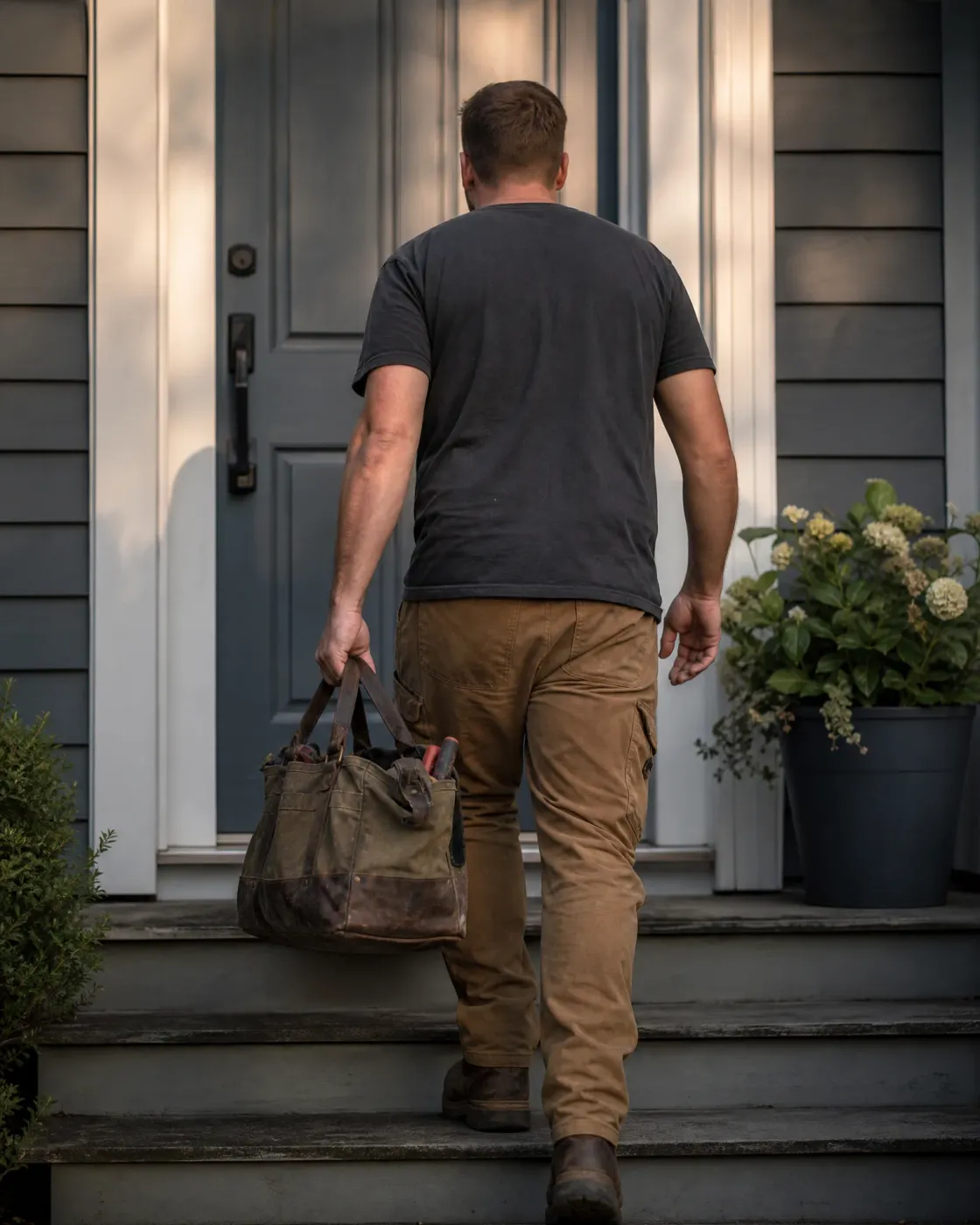
A man in a dark t-shirt and tan work pants, seen from behind, carries a worn canvas and leather tool bag up concrete steps toward a dark gray front door, with a potted flowering plant to the right.
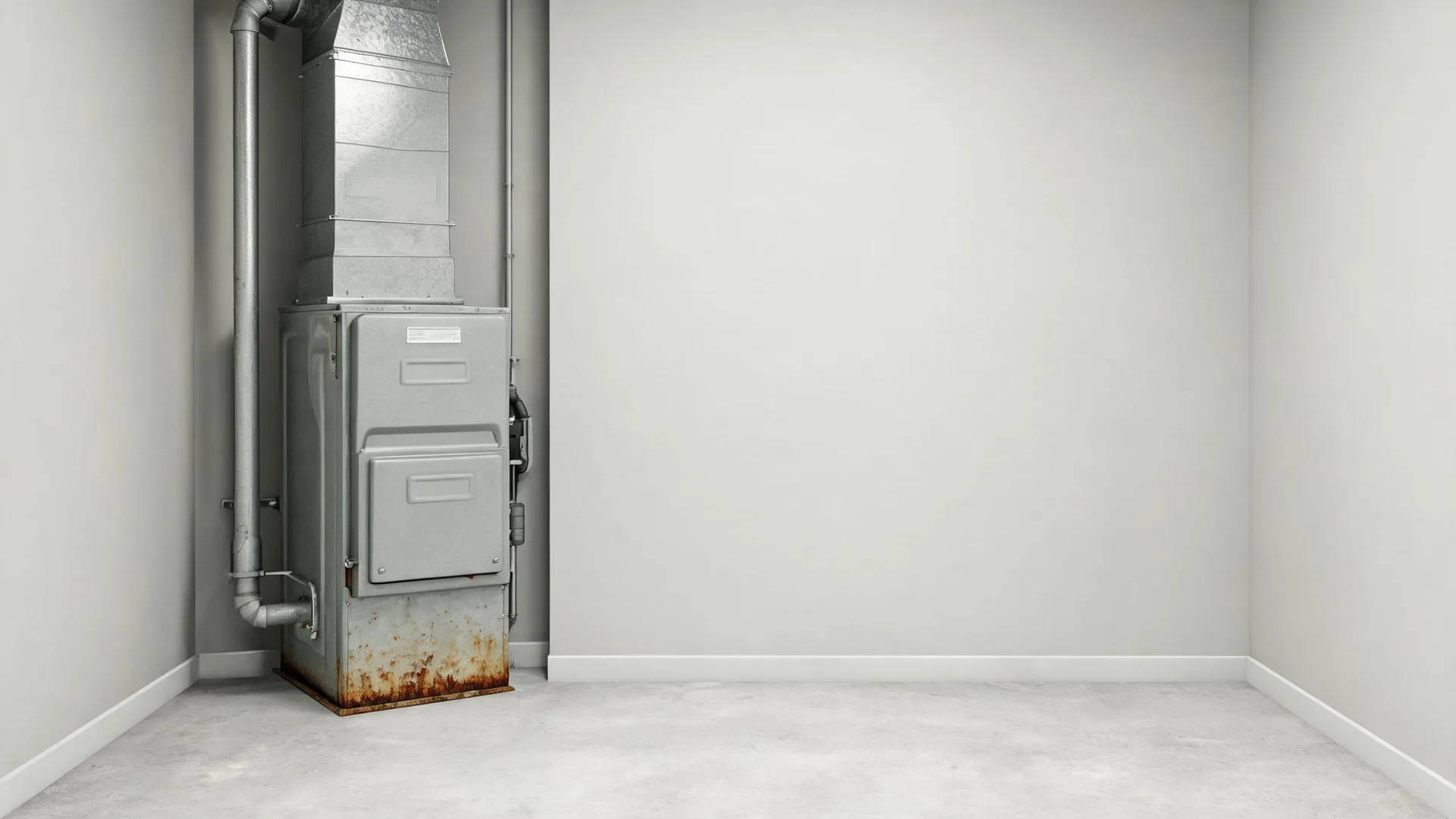
A gray residential gas furnace installed in an unfinished basement, surrounded by ductwork, a metal flue pipe, and a gas supply line.

Why letting it run makes the next repair bigger

A furnace with a bad part doesn't stay a one-part problem if it keeps running. A cracked heat exchanger gets wider with every heat cycle, not narrower. A flame sensor coated with a little oxidation reads weaker each time it fires, until the furnace stops lighting at all. An inducer motor straining on a worn bearing is putting heat into that bearing every time it spins, and heat is what kills bearings. None of this shows up as a sudden stop. It shows up as the same problem, a little worse, every week it's not looked at. Shutting the furnace off and calling for a repair is what keeps a cracked exchanger from becoming a furnace that has to be replaced instead of fixed.

What's safe to check yourself

Look at the thermostat first. Make sure it's set to heat and the set point is actually above room temperature, and change the batteries if it uses them. Check the furnace's own switch, the one that looks like a light switch on or near the unit, and make sure it's on. Go to the breaker panel and look for a tripped breaker. If the furnace has a standing pilot, check whether the pilot light is lit. Look at the air filter and replace it if it's gray or caked, since a blocked filter can cause the furnace to shut itself off partway through a cycle.

What to leave alone

Don't open the burner compartment or touch the gas valve. Don't try to relight an electronic ignition system by hand, it doesn't work like a pilot and there's nothing to light. If the furnace shuts off and you smell gas, don't flip any switches at all, leave the house and call the gas company from outside. If the furnace is throwing an error code on a blinking light, write down the pattern before you call, it tells the tech what the control board already caught.

An unfinished basement featuring a forced-air furnace, exposed wooden ceiling joists, bare concrete walls, and miscellaneous items including cardboard boxes and coiled cables on the floor.

A new furnace would cut about $140 a year off heating for a typical St. Clair County home.

  • A new high-efficiency furnace$580 a year
  • An older furnace$720 a year

Estimates for a typical St. Clair County home, compared with an older unit built to the previous federal minimum, from EIA household energy data, Michigan fuel prices and NOAA climate normals. Your home will differ.

Repair makes sense when one part has failed and the heat exchanger is sound.

Replacement makes sense when the heat exchanger is cracked or the furnace keeps needing parts.

A single failed part doesn't mean the furnace is done. An igniter or a flame sensor can go bad on a unit that's otherwise sound, and replacing it is the whole job. What changes the math is how often the tech gets called back. One repair is just a part wearing out. A second or third repair in a short stretch, on different parts, usually means the furnace itself is getting old, not that it's unlucky. A cracked heat exchanger is its own case regardless of the furnace's age, since that part can't be left alone once it's split. Short of that, the real question for the tech isn't just what broke this time. It's whether the rest of the unit is old enough that another part is likely to go soon after.