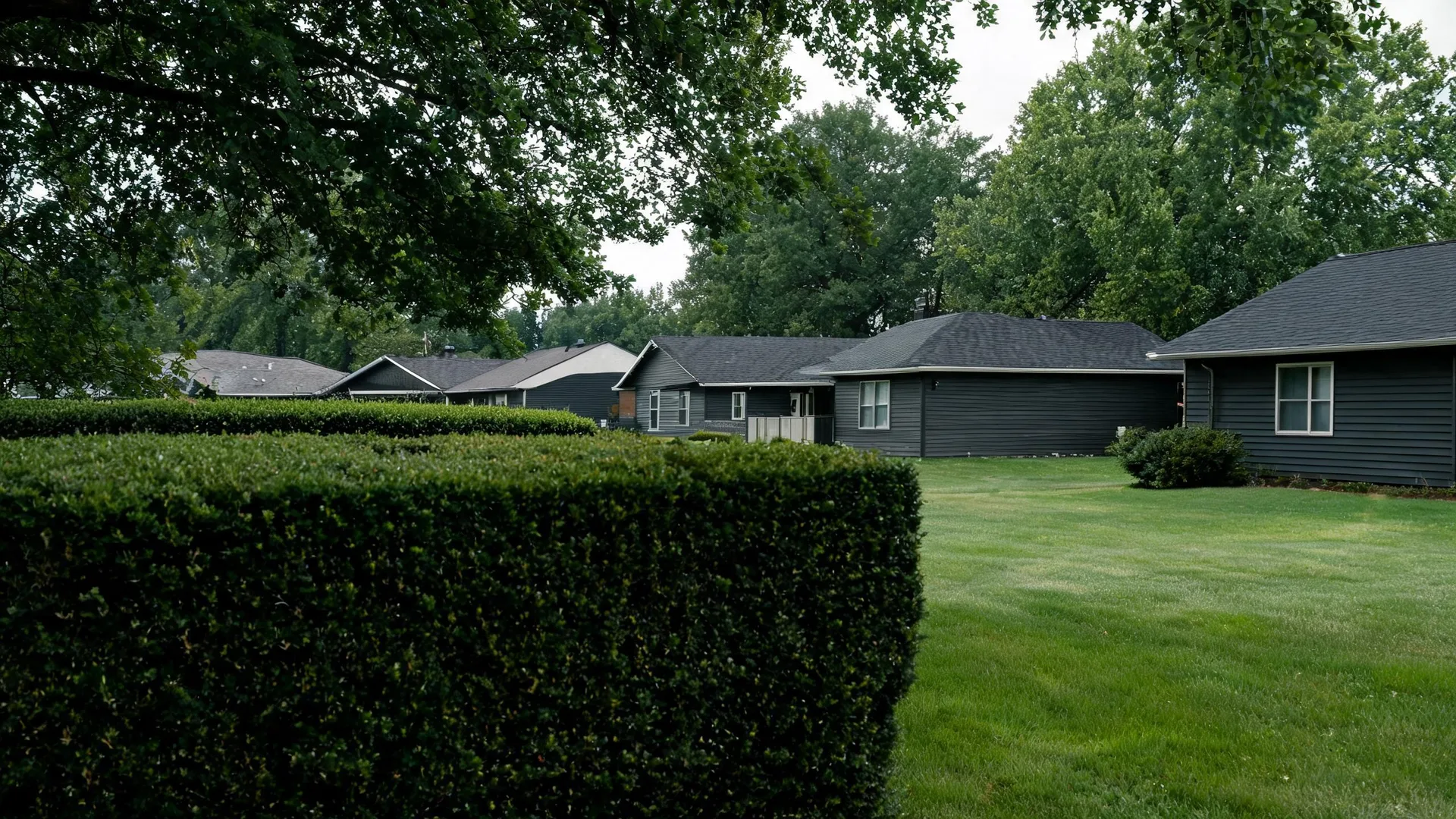

A trimmed hedge borders a mown lawn in front of single-story houses with dark siding and shingled roofs, surrounded by large leafy trees under an overcast sky.

Furnace Maintenance in Port Huron, MI

Tell us about the job

Takes about a minute. No obligation.

Tune-up, service, or cleaningFurnace or heatingSt. Clair County, MI
Step 1 of 2

What ZIP code is the job in?

St. Clair County saw 110 severe weather events between 2015 and 2024. Most of that was wind, 82 events, with 13 winter storms and a handful of hail and tornadoes mixed in. A furnace doesn't sit outside, but the weather that shakes a county like this also knocks out power, and more than a third of Michigan households went at least a full day without electricity in 2024. A furnace with a blower motor and an igniter needs that power to run even when the gas is on. A tune-up is the time to find out if yours will start back up clean when the lights come back.

Gas heats 74.4% of homes in St. Clair County.

A tune-up here means checking the burner and venting, not just swapping a filter.

Eight months of heat a year wears parts down early

Heat runs October through May
Winter nights average 20°F
Climate zone 5A
October starts itFurnace season here runs October through May, so get the check done in September.

October through May is eight months of runtime, longer than most of the country asks of a furnace. That kind of stretch wears the igniter and blower motor down before the season lets up. A tune-up catches a weak part while it is still working, not after it quits on a cold morning. The technician checks the burner, the igniter, the blower, and the venting with the furnace off and apart, which shows problems that do not show up when it is just running fine. Scheduling it before October means a part close to failing gets found and ordered before you are counting on it every day.

Check it now, before a power cut tests it for you

A tune-up checks that the blower motor and igniter start up clean, which matters when the power has been out. Get it done before the furnace has to prove it on a cold morning.

Find a contractor
A gray residential gas furnace installed in an unfinished basement, connected to sheet-metal ductwork and PVC pipes.

What you can check yourself, and what to leave alone

Between visits, the filter is the one thing worth checking yourself. A dirty filter chokes airflow, and a furnace starved for air runs hotter than it should and shuts off early on a limit switch. Hold it up to a light. If you cannot see light through it, change it. Keep the area around the furnace clear too. It needs room to pull in air, and anything stacked against it is a fire risk as well as an airflow problem. Walk past the vent hood outside or wherever the furnace exhausts and make sure nothing is blocking it, no debris, no nest, nothing piled against it. If the furnace short-cycles, turns on and off in quick bursts, or the burner flame looks yellow instead of blue, stop and call someone. Those are not filter problems. Everything else, the igniter, the blower motor, the heat exchanger, the gas valve, needs a technician with the panels off. That is not a safe thing to open up yourself, and it is exactly what the tune-up is for.

The furnace tells you before it quits

A furnace rarely fails without warning. The burner flame turns yellow or flickers instead of burning steady blue. The blower runs longer than it used to, or kicks on and off in short bursts instead of settling into a cycle. The flame might waver when air moves near the unit, a sign it's drawing combustion air from the wrong place. A pilot or igniter that struggles to catch, needing a few tries before it lights, is wearing out. None of these stop the furnace that day, but each one is the part saying it's working harder than it should.

Waiting for a breakdown costs more than the check does

Every part in a furnace wears at its own pace, and most of them wear quietly. A cracked heat exchanger, a corroded burner, a blower motor with worn bearings all keep running right up until they don't, usually on the coldest morning of the stretch. A check done while the furnace is still working catches the part that's close to failing, while there's still time to order it and put it in on a normal schedule instead of an emergency one. That's the whole difference maintenance makes: finding the weak part before it picks the day.

Skip enough tune-ups and the furnace does not fail all at once. Dust builds up on the burner and the flame starts burning uneven instead of steady. A dirty flame sensor reads the fire wrong and shuts the gas valve early, so the furnace tries to light, quits, and tries again. Bearings in the blower motor wear without grease and start pulling more current to do the same job, until one day they do not turn at all. A heat exchanger that is never inspected can crack quietly, and that is the one place where skipped maintenance stops being about comfort and starts being about carbon monoxide getting into the air the furnace is supposed to be heating. None of this shows up as a single clear warning. It shows up as a furnace that runs a little worse every year until the year it does not run.

A tune-up starts with the furnace off and the panels open, which is the only way to see most of this. The technician checks the heat exchanger for cracks or corrosion, since that's the part separating the flame from the air moving through your house. The burner gets cleaned and the flame checked for a steady blue, not yellow or lifting off the burner. The flame sensor gets cleaned too, because a coated sensor shuts the gas valve early and causes the furnace to short-cycle. The igniter gets tested under power to see if it still lights on the first try. The blower motor gets checked for wear in the bearings and the wheel gets cleaned, since a dirty blower wheel throws off airflow even with a new filter in place. Venting gets inspected end to end, because a blocked or corroded vent is a safety issue, not a performance one. Gas pressure gets checked against the furnace's rating, since pressure that's too high or too low affects both the flame and the heat exchanger over time.