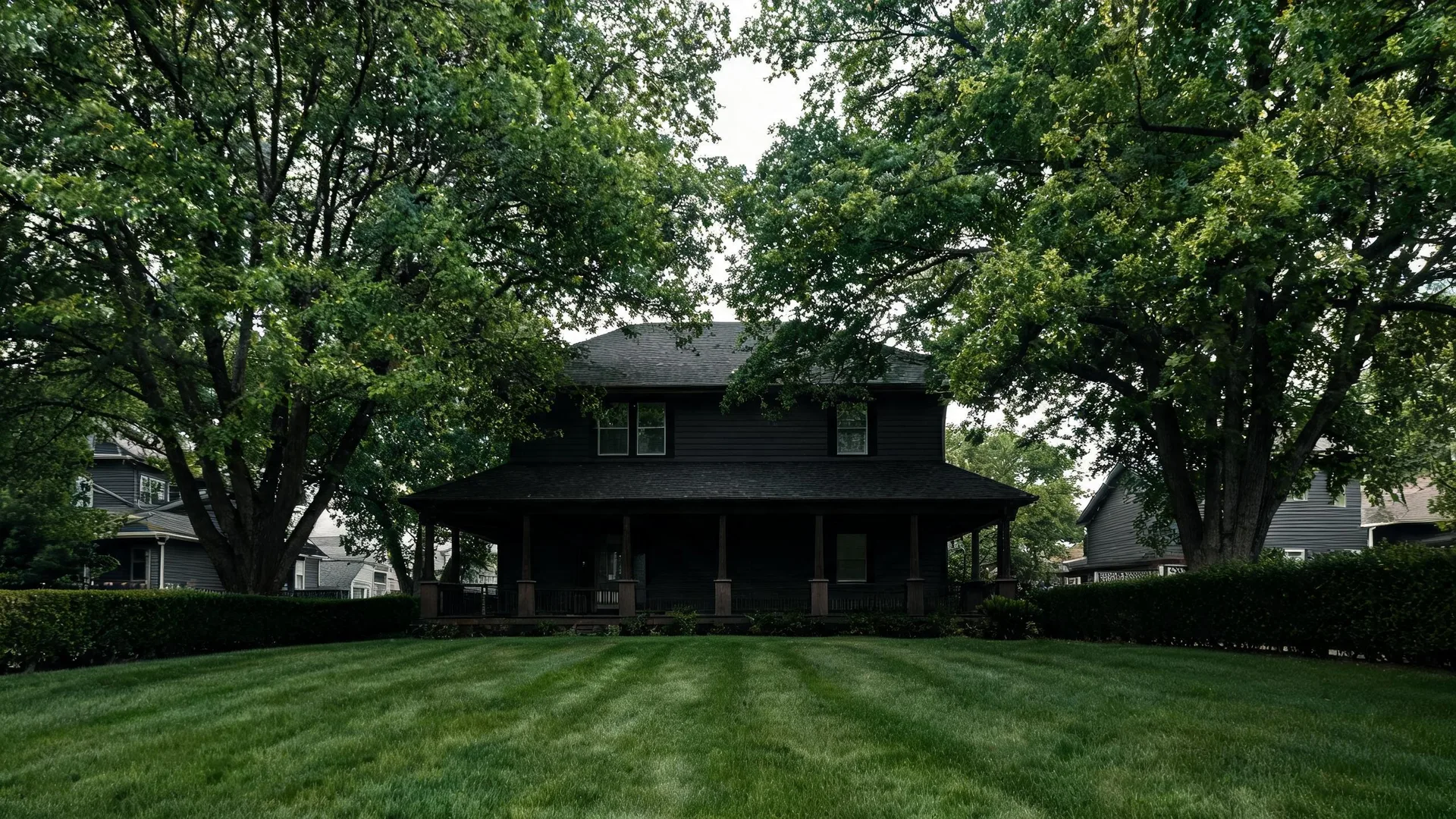






A dark two-story house with a wide covered front porch, framed by large leafy trees, behind a trimmed hedge and a striped mowed lawn.

Heat Pump Installation in Coldwater, MI

Tell us about the job

Takes about a minute. No obligation.

New system or replacementHeat PumpBranch County, MI
Step 1 of 2

What ZIP code is the job in?

Electricity in Michigan ran 19.30 cents per kilowatthour in 2024. A heat pump moves heat instead of burning gas to make it, so it gets more out of every kilowatthour than baseboard or resistance heat does. At that price, the difference between a unit that runs efficiently and one that doesn't shows up on every bill, all year. Coldwater gets cold enough that the system will lean on its backup heat some days, and that's the time efficiency matters most. Ask what HSPF rating a system carries before you decide, since that number says more about your winter bill than the price tag does.

8 months
October through May, your system heats
3 months
June through August, it cools
19°F
the average winter night it heats against
81°F
the average summer afternoon it cools against
Isometric line illustration of a cutaway house showing interior rooms with furniture, ceiling ductwork connected to an indoor air handler, and refrigerant lines running to an outdoor condenser unit on a pad.
Your system heats October through May and cools June through August.

NOAA nClimDiv, 1991–2020 normals

Utility gas heats 57% of homes in Branch County.

A heat pump works alongside or in place of that gas furnace, so this job usually means fitting it into a system built around gas, not starting from empty.

Put it in by September, so winter is the first real test

Cooling runs June through August
Heat runs October through May
47 damaging wind events from 2015 to 2024

Branch County winters get cold, but they don't get extreme. Overnight lows average 19°F through December, January and February, and the storms that come through are mostly wind and snow, not the kind of deep, sustained cold that pushes a heat pump to its limit. That matters for sizing. A system here doesn't need to be built for the hardest day Michigan can throw at it, because that day is rare. What wears a heat pump down over the years is running flat out, season after season, and that's not the job this one has. A unit that's sized right and installed well should hold up for the long haul here without needing the top-tier model to do it.

Efficiency pays here

Power costs more here, so an efficient system pays you back on every bill.

Find a contractor
A man in a cap, gray shirt and tan work pants walks up steps toward a dark front door, carrying a worn canvas and leather tool bag, with a potted shrub to the right.
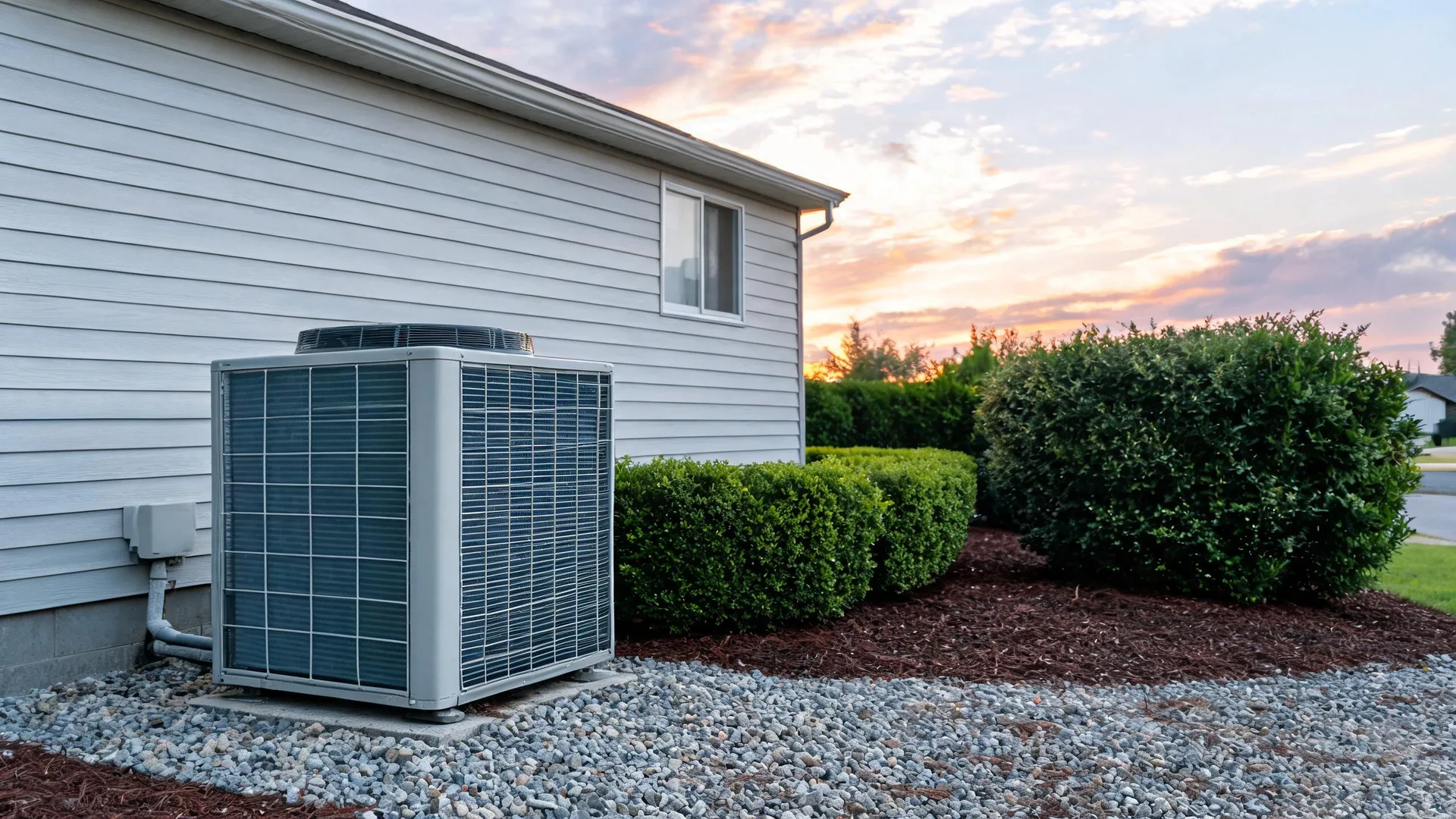
A gray heat pump outdoor unit mounted on a concrete pad next to a residential house with lap siding and stone accents.

Built in 1969 or earlier, running a system built for now

Half the homes in Branch County were built in 1969 or earlier. A heat pump installed now has to tie into whatever ductwork and wiring that house already has, not into a blank slate. In a home that old it's worth having the contractor check the ducts and the electrical panel before anything goes in, since a system sized right on paper still has to move air through the ducts actually in the walls. Get that match right once and the install doesn't fight the house for as long as the equipment lasts.

Ask what happens below freezing

Every heat pump loses capacity as the air outside gets colder, and every one needs some kind of backup heat for the coldest days. Ask what the backup is, whether it's a heat strip or the existing furnace staged in behind it, and ask at what outdoor temperature the system switches over. A contractor who can answer that without checking a chart knows the equipment. One who can't hasn't thought through how this system behaves on the coldest night of the year, only the mildest one.
Ask who sized it, and how

Sizing a heat pump means a room by room load calculation, not a guess based on square footage or what the old furnace was rated for. A system too big short cycles, turning on and off before it ever evens out the temperature, which wears on the compressor and leaves rooms uneven anyway. One too small runs constantly and leans on backup heat more than it should. Ask to see the load calculation, not just the final number. If nobody ran one, nobody really knows if the unit fits the house.

The unit itself is only part of what you're paying for. Most of the cost is labor. Someone has to set the outdoor unit, run the line set, and tie it into the ductwork or install new lines if it's a ductless setup. The electrical panel has to have the capacity to handle it. If it doesn't, upgrading the panel is its own job, done before the heat pump goes in at all. Old ductwork can add to the cost too. A heat pump moves more air at a lower temperature than a gas furnace does, so ducts that leak or were sized for a furnace sometimes need sealing or changes to move air the way this system needs. Backup heat is part of the job as well, whether that means a heat strip built into the air handler or staging the existing furnace in behind the heat pump. None of this shows up on the price tag of the equipment, but it's what decides whether the system works right once it's running.

Install day usually starts with the outdoor unit and runs through the line set before anything inside gets touched. The old equipment comes out first, if there was any, and the contractor checks the line set, the electrical whip, and the pad or bracket the outdoor unit sits on before setting the new one. Inside, the air handler or coil gets tied into the ductwork, and the refrigerant lines get connected, pressure tested, and sealed so nothing leaks once it's charged. The system gets evacuated to pull moisture and air out of the lines before refrigerant goes in, since either one left behind will ruin how the system runs. Once it's charged, the contractor runs it through its paces, checking airflow at the vents, checking the temperature split between the air going in and the air coming out, and confirming the backup heat kicks in when it's supposed to. A clean install ends with the system running on its own, doing what the load calculation said it would.