Electricity here runs 19.30 cents per kilowatt-hour
Michigan power costs more than in a lot of states, and a heat pump runs on electricity. That rate applies to every hour the compressor runs, all year.
Takes about a minute. No obligation.
Michigan power costs more than in a lot of states, and a heat pump runs on electricity. That rate applies to every hour the compressor runs, all year.
At that rate, how efficiently a heat pump moves heat decides what it costs you to run it. Two systems that cost the same to install can cost very different amounts to run in Hillsdale.

NOAA nClimDiv, 1991–2020 normals
The size of the heat pump has to match the house, not the budget.
A unit too big short cycles and wears out early, one too small runs flat out and still falls short on the coldest days.



Hillsdale asks more of a heat pump in winter than in summer. Zone 5A means heating is the bigger load, and with overnight lows averaging 19°F across December, January and February, the compressor does its hardest work on those nights, not on a warm afternoon. A system that only has to lean hard in one direction, not fight both heat and cold, wears slower than one working full tilt year round. That's still real cold to plan for. The unit and any backup heat need to be sized for those January nights, not for a mild average across the whole year.
Utility gas heats 44.2% of homes here, more than any other fuel, with LP gas close behind at 37%. A heat pump works alongside a gas furnace as well as replacing one outright, handling the milder months while the furnace covers the coldest nights. Either way, the system needs sizing for this house and this winter, not a guess carried over from somewhere else.
Find a contractor
Heat here runs October through May, about eight months of the year. Cooling runs June through August. A heat pump installed in September is sized and running before the first cold night asks anything of it. One installed in October or later gets asked to perform on day one, often on a day already near freezing. The contractor doing the sizing and the inspector checking the work both have more room to get it right when nobody's shivering through the process.
The efficiency number on a heat pump's label tells you how much heat it moves for the electricity it spends, against straight electric resistance heat. A higher rated unit moves more heat per unit of power. That number comes from a lab test run at a set outdoor temperature. The colder it actually gets, the harder the compressor has to work, and the further real performance drifts from what the label promised. Units with the same rating on the shelf can behave very differently once the temperature drops hard.
The rating on the box describes the equipment, not the installation. A well matched heat pump with a lower rating can outperform a higher rated one that's oversized, low on charge, or hooked to ductwork that can't move the air it needs. Ask what rating a unit carries, but ask just as hard who's installing it and whether they're sizing it for this house.
Ask what happens at the coldest end of the range, not just the average. Every heat pump has a point where it can't pull enough heat from outside air to keep up, and the specs will show a capacity number at low temperature alongside the one at a milder setting. That lower number tells you what the unit actually does on the hardest night, which matters more than the headline rating. Ask what kind of backup heat kicks in when the compressor can't keep pace, and how the system decides to switch over. Ask about the sound level too, since the outdoor unit runs far more of the year than a furnace or straight AC ever did. And ask for the duct work to be checked, not assumed, since a heat pump moves a different volume and temperature of air than what the ductwork may have been sized for originally.
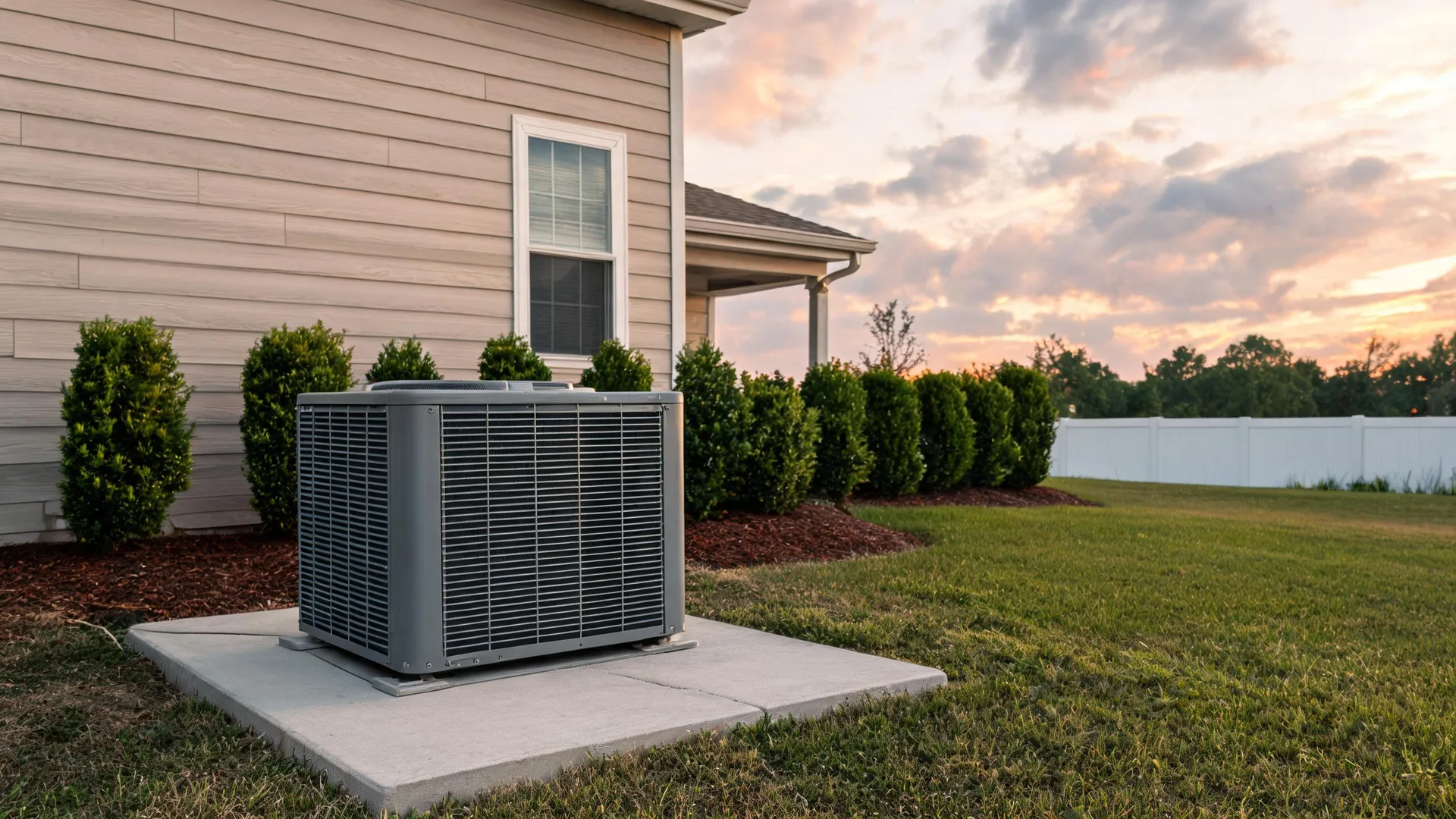
Installation day starts outside. The outdoor unit needs a level pad, room on all sides for air to move through it, and a spot where the sound won't land right outside a bedroom window. Inside, the air handler or existing furnace gets tied into the ductwork, and if there's backup heat or a shared setup with a furnace, the wiring and controls get set so each one knows when to hand off to the other. The refrigerant lines get run, connected, and pressure tested before any refrigerant goes in, since a leak is easier to catch before the system is charged than after. Charging has to match what the manufacturer specifies for that line length, not a rough fill, because a system that's over or under charged is a common reason a new heat pump underperforms from the start. Once it's running, a tech checks airflow at the registers and confirms the thermostat is actually controlling both the compressor and the backup heat the way it's supposed to.