Heat pump vs furnace in Hillsdale County, Michigan

Get a Local Quote

See real numbers before you choose

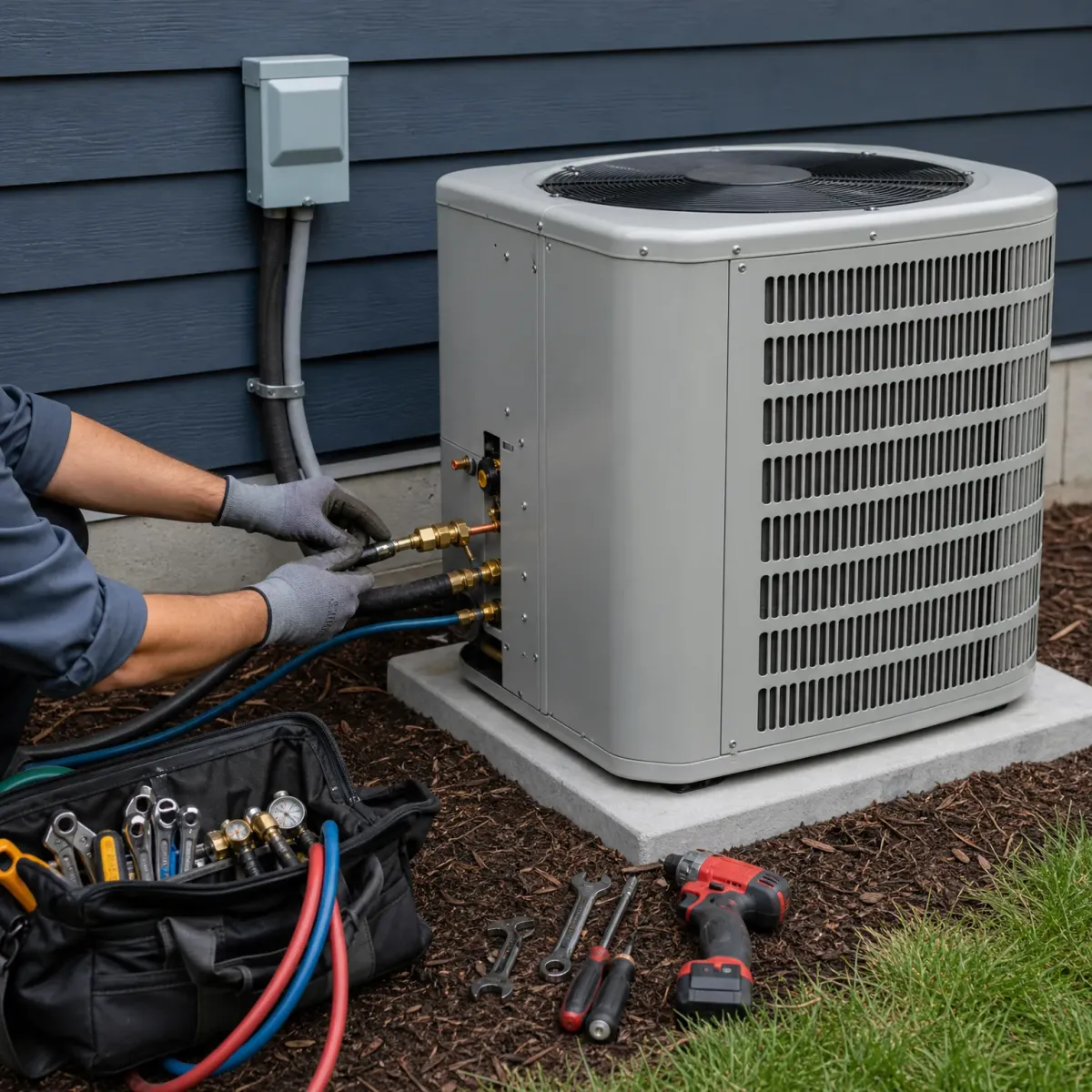
A gloved worker connects refrigerant lines to the service valves of an outdoor air conditioning condenser on a concrete pad beside a dark-sided house, with a tool bag, wrenches, screwdrivers, a gauge set and a cordless drill on the mulch in the foreground.

Tell us about the job

Takes about a minute. No obligation.

New system or replacementHillsdale County, MI
Step 1 of 3

What kind of equipment?

Which costs less to run in Hillsdale County?

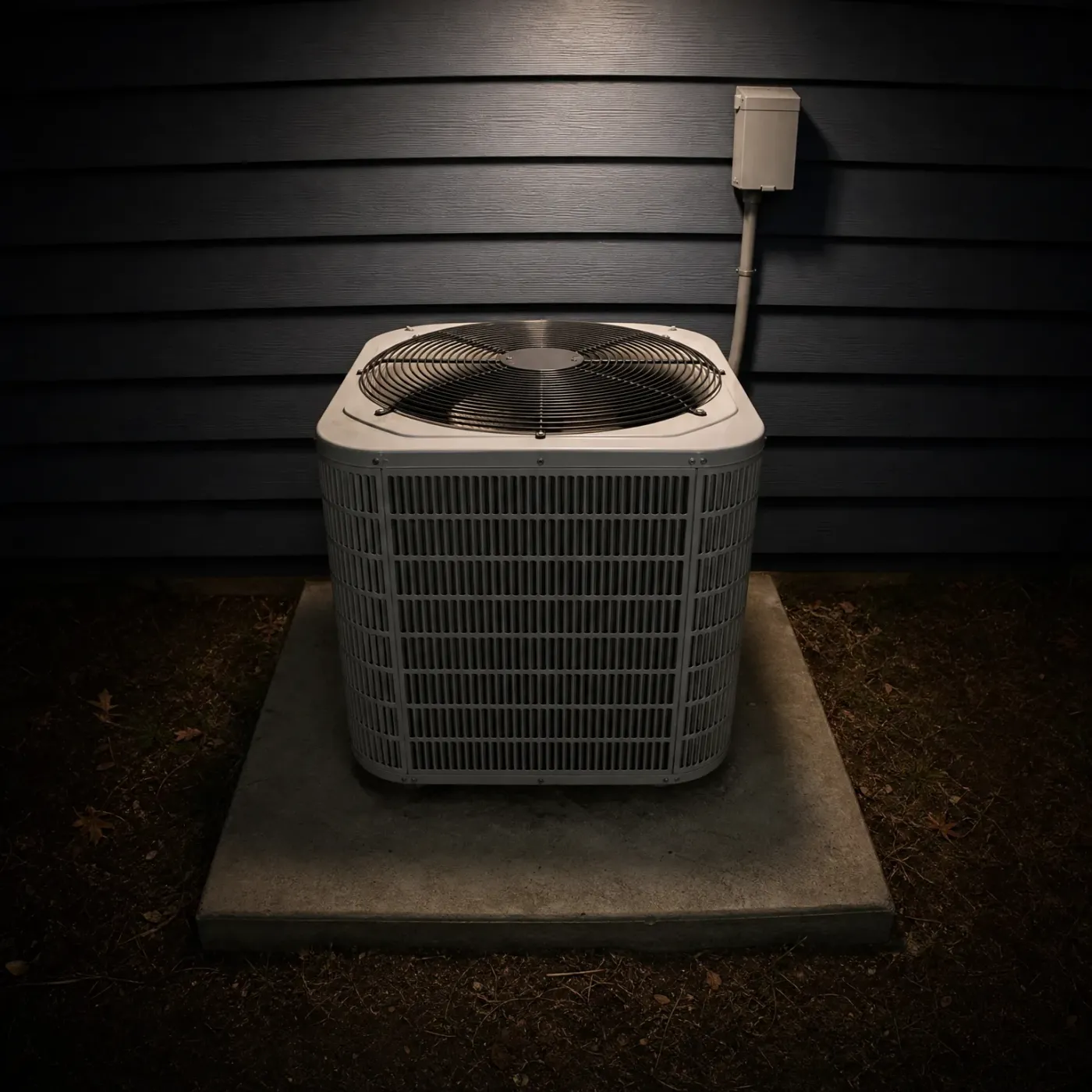
An outdoor air conditioner or heat pump condenser unit on a concrete pad against dark horizontal lap siding, with a conduit running up to a wall-mounted disconnect box.

Heat pump

To heat your home here$2.57per 100,000 Btu

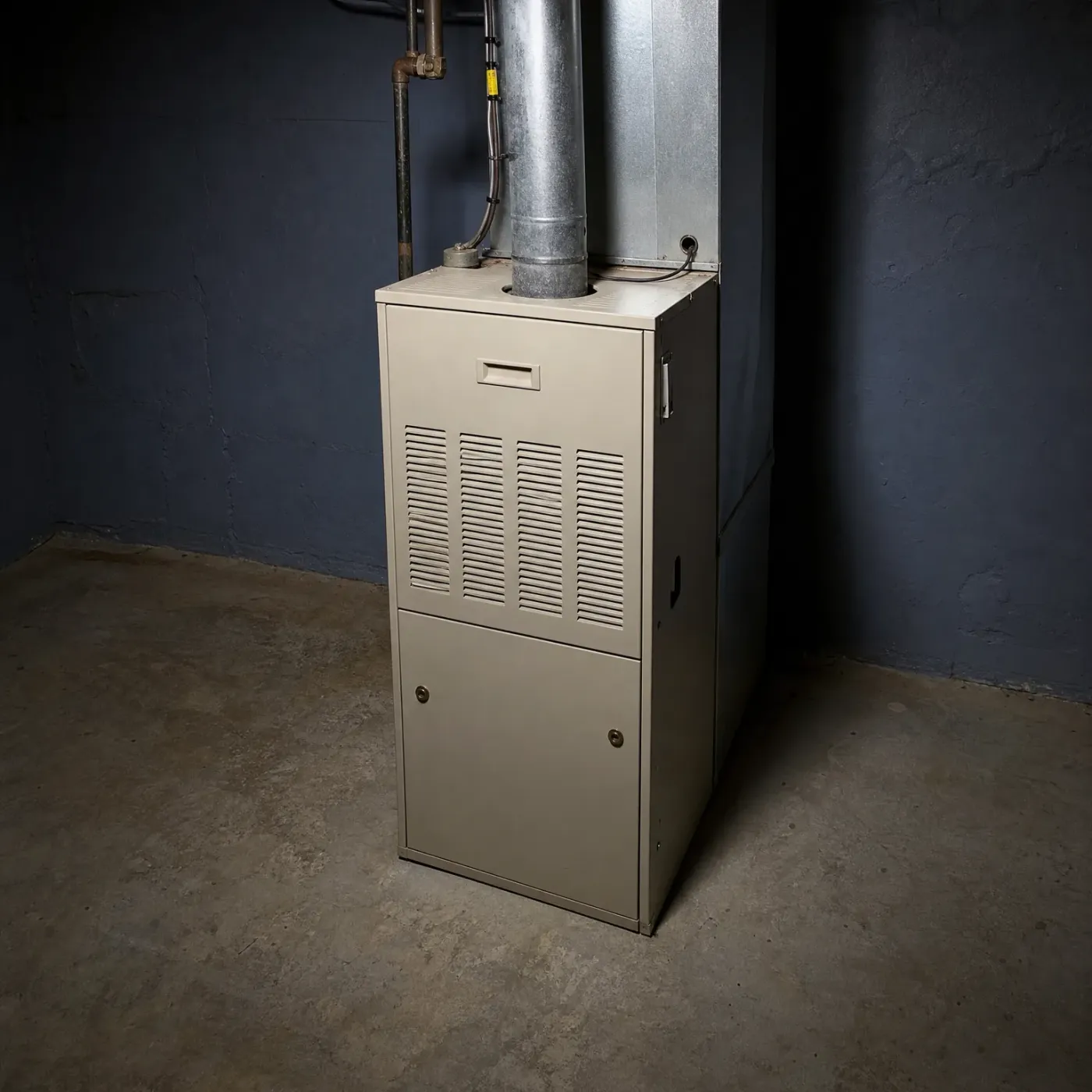
A beige furnace with a louvered front panel stands on a concrete floor in a basement corner, with a metal flue pipe and copper piping rising to the ceiling against dark gray walls.

Furnace

To heat your home here$1.28per 100,000 Btu

At Michigan's gas and electricity prices, a gas furnace makes the same heat as a heat pump for at least 50% less.

Btu stands for British thermal unit, the standard measure of heat energy.

Where does a heat pump shine?

  • Steady, even comfort

    Instead of short bursts of heat, it keeps a gentle, steady output going. The house stays at one comfortable temperature.

    A living room with a gray upholstered armchair holding an open book and a draped throw, a table lamp by a window showing snow outside, a lit fireplace with a wood-mantel and framed landscape painting, a basket of firewood, a wooden coffee table, and a golden retriever lying on a patterned rug.
  • No gas line, nothing burning in the house

    It moves heat instead of making it from fire. That means no combustion, no flue and no gas bill for heat.

    A kitchen island with a light stone countertop and black cooktop holding a stainless steel kettle, with navy cabinets, a white tile backsplash, a wooden cutting board, a vase of white hydrangeas, and a bowl of green apples.
  • Heats and cools in one system

    Winter and summer are covered by the same outdoor unit. That's one machine to service instead of two.

    A living room with dark blue-grey walls, a large three-pane window overlooking a green garden, a light grey sofa with a blue throw and cushions, a wooden coffee table with a bowl and mug, a wooden armchair, and a wall-mounted swing-arm lamp.

Where does a furnace shine?

  • Strong, steady heat in hard cold

    Overnight lows here average 19°F through December, January and February. A furnace puts out the same hot air no matter how cold it gets outside, so your house keeps warming up fast even on the coldest nights.

    A two-story dark blue clapboard house with white-trimmed, warmly lit windows at dusk, with a snow-covered roof, a shoveled path between snowbanks leading to the front door, snow-laden conifers on both sides, and an open gate in the foreground.
  • Proven, simple, easy to get serviced

    Gas furnaces have heated homes for generations. Almost every HVAC tech knows them inside and out.

    A gloved hand holds a white pleated air filter in front of a blue shelving unit and a gray furnace with venting pipes.
  • Pairs with any central AC

    A furnace's blower and ducts carry cooled air too. Adding central AC uses the same system.

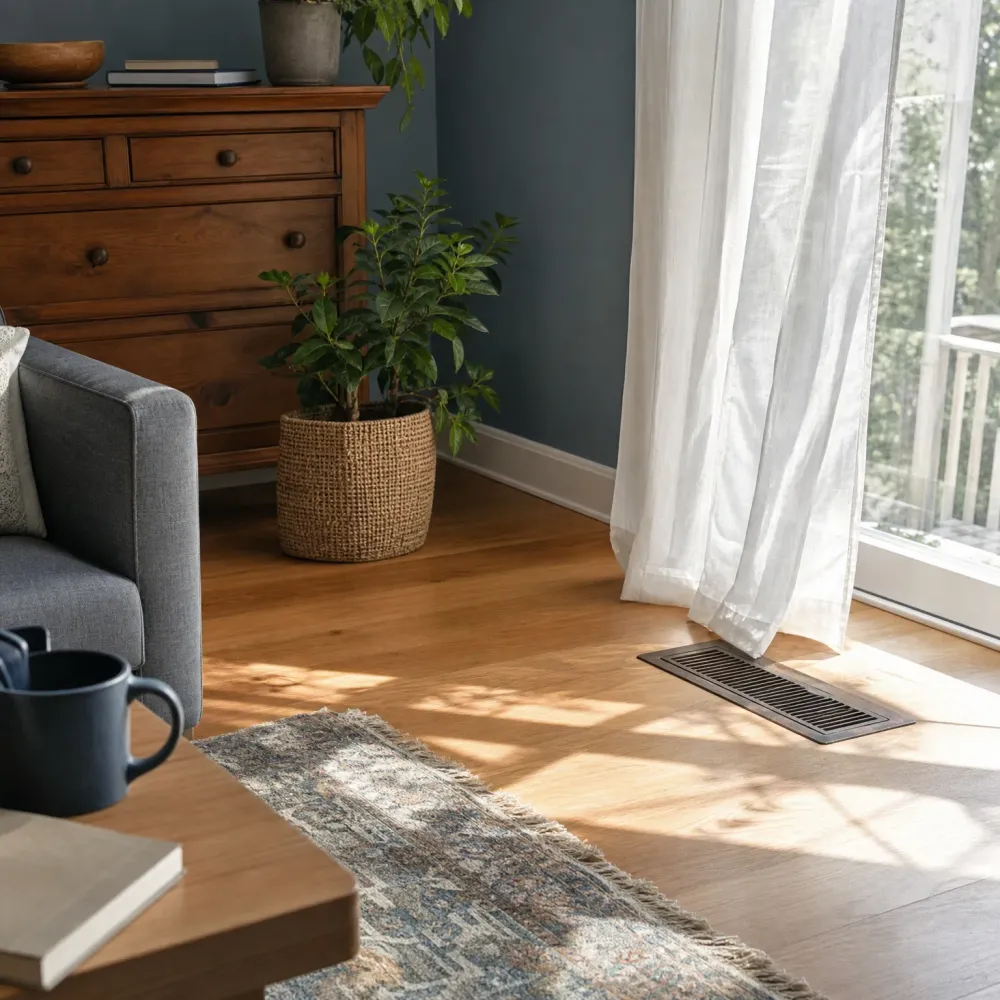
    Sunlit living room corner with wood flooring, a floor air vent near a glass door with white sheer curtains, a wooden dresser, a potted plant in a woven basket, a gray armchair, a patterned fringed rug, and a dark mug and book on a wooden table.

What the cold here does to a heat pump

Your winters decide this. The overnight low here averages 19°F across December, January and February, and that's below both marks that matter for a standard heat pump. Below 40°F it puts out less heat than it's rated for. Below about 35°F it often needs backup heat to keep up. Your average night is below both.

This isn't a few bad nights. About 145 nights a year here drop to freezing or below, more than half of the 245 nights that fall inside the 8 months your heat runs. On every one of those nights, a standard heat pump is working below its rated output. Only about 9 nights a year reach 0°F, so the deep cold is rare, but ordinary freezing nights are not. They're most of your winter.

A heat pump built to the ENERGY STAR Cold Climate spec is a different machine on paper: it has to hold at least 70 percent of its 47°F heating capacity and still make 1.75 units of heat per unit of electricity at 5°F, tested by a third party. A standard heat pump carries no such guarantee. If you're pricing a heat pump for this county, the cold-climate rating is what tells you whether it was built for nights like yours.

Field tests of cold-climate heat pumps in occupied homes found backup heat covered only a small share of total heat between 0°F and 35°F, and running on backup alone was rare even above 0°F. That's the newer equipment. A furnace has none of this to work out. It's built for one job and your coldest night asks nothing extra of it.
A snow shovel leans beside a dark blue front door of a gray clapboard house, with snow covering the steps and white railings.

What it costs to run, and what your neighbors already have

A gas furnace costs less to run here, by a wide margin: $1.28 per 100,000 Btu against $2.57 for a heat pump at the federal minimum. That's Michigan's own gas and electricity prices, and it holds before you add anything for the backup heat a standard heat pump leans on during your 145 nights at or below freezing.

Look at what's already installed around you. Utility gas heats 44.2% of homes in Hillsdale County, propane another 37%, and electricity just 6.3%. Put another way, more than four in five homes here already run on gas heat. A furnace isn't a special order in this county. It's the normal choice, and the service, parts and technicians who work on them are easy to find because of it.

A furnace only heats, though. For the 3 months of cooling here, June through August, you'd still need central air alongside it. A heat pump does both jobs in one system, which matters if your AC is old or you don't have one yet. That's the real tradeoff: lower running cost and a simpler, more common system against one box that handles the whole year.

If your house already has a gas line and ductwork sized for a furnace, the furnace is the cheaper and more proven path for this county's winters. If you're building new or replacing a dying AC anyway, a cold-climate-rated heat pump is worth pricing against a furnace plus AC, knowing it will lean on backup heat on your coldest nights and cost more to run on your electric bill.

Sources: NOAA nClimDiv · NOAA 1991–2020 seasonal normals · Census ACS 2020–2024 · PNNL Building America guide · PNNL-37127 field study · ENERGY STAR product criteria · EIA SEDS 2024 · 10 CFR 430.32

Snow-covered front steps and porch railing of a dark gray clapboard house with a white-trimmed door, with a snow shovel leaning against the wall beside the entry.

Common questions about heat pumps and furnaces

  • Can a heat pump heat a house through a Michigan winter?

    Yes, but a standard heat pump struggles on the coldest nights here without help. Below 40°F its heat output falls short of its rating, and below about 35°F it often needs backup heat. The overnight low here averages 19°F across December, January and February, and falls to freezing or below on about 145 nights a year, so most of the winter here sits below both marks.

  • Do I need backup heat with a heat pump here?

    With a standard heat pump, yes. Its output falls short of its rating below 40°F and it often needs backup below about 35°F, and the average winter low here is 19°F, with about 145 nights a year at or below freezing. A cold climate model, the kind certified to hold 70 percent of its capacity at 5°F, needs backup less often, but on the roughly 9 nights a year here that reach 0°F, plan on it running.

  • Can I keep my furnace and add a heat pump?

    Yes, that pairing is called a dual fuel system. The heat pump carries the heat down to whatever temperature you set, and the furnace takes over below that point, on the coldest nights here, when a standard heat pump's output falls off. You get the heat pump's lower running cost most of the eight-month heating season and the furnace's full output on the roughly 145 nights a year that drop to freezing or below.

  • What if my house heats with oil or propane?

    Switching to a heat pump gets you off oil or propane, and both cost more to run than the gas furnace this page compares against. Propane ran $23.05 per million Btu in Michigan in 2024, oil usually prices close to that, and a heat pump here runs $2.57 per 100,000 Btu against a furnace's $1.28. If your house runs on propane now, a heat pump is worth pricing against it directly rather than against gas.