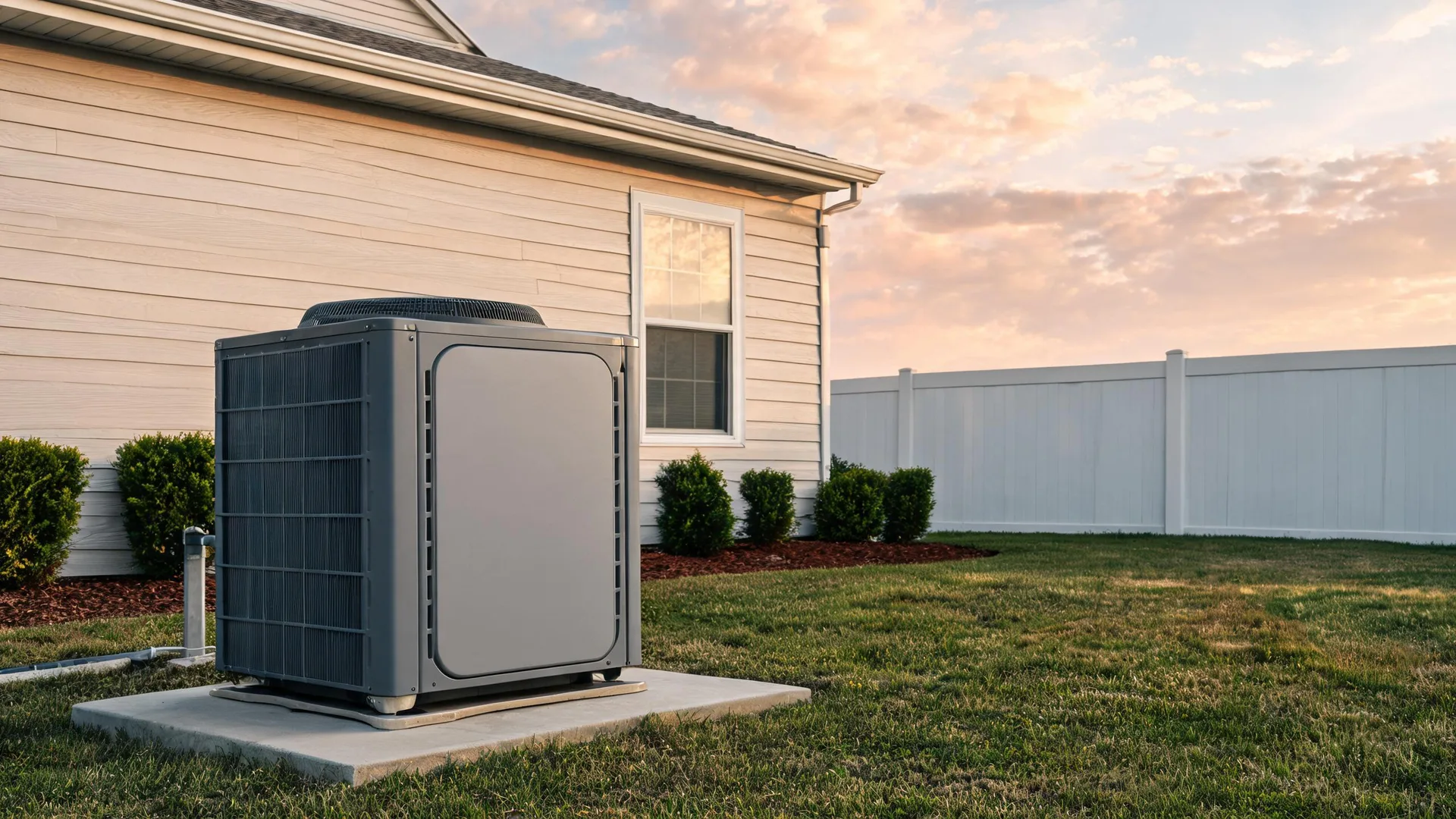
Electricity here isn't cheap
Michigan homes paid 19.30 cents per kilowatthour in 2024, above what a lot of states pay. A heat pump runs on electricity, so that rate applies to every hour it's heating or cooling your house.

Takes about a minute. No obligation.
Michigan homes paid 19.30 cents per kilowatthour in 2024, above what a lot of states pay. A heat pump runs on electricity, so that rate applies to every hour it's heating or cooling your house.
Two heat pumps can heat the same house and cost different amounts to run, month after month. With power priced the way it is here, the difference between a decent unit and an efficient one shows up on your bill, not just on the spec sheet.
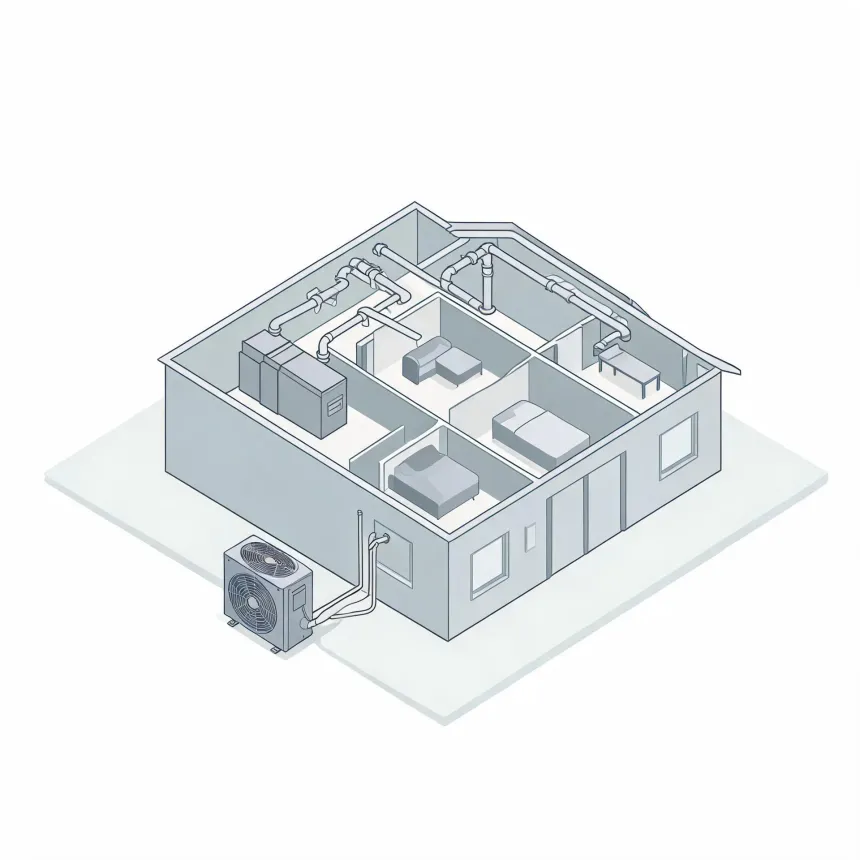
Half the homes in Marquette County were built in 1971 or earlier.
An older home like this needs a heat pump sized to its ductwork and insulation, not just its square footage.




Ask whoever is bidding the job to show you the HSPF2 rating, not just the price. That number tells you how much heat you get per dollar of electricity over a full season, and at Marquette's rate it keeps mattering every year after the install. A low-bid unit with a mediocre rating will cost less up front and more on every winter bill after that. Get the efficiency number in writing before you compare prices, because two quotes that look close on paper can run very differently once the meter starts counting.
Utility gas heats 61.9% of homes in Marquette County, more than electricity, propane and fuel oil combined. A heat pump can still be the main system, or it can pair with the furnace already in the house and take over once temperatures climb out of the single digits. Either way, the install should start with someone looking at what's already there.
Find a contractor
A contractor sizing a heat pump for an older home here should be doing a load calculation on your house, not pricing off square footage alone. That means looking at your ductwork, your insulation, your windows, the actual rooms the air has to reach. Ask to see the numbers behind the quote, not just the total.
Every heat pump loses some capacity as the outdoor temperature drops. Most add a backup heat source for the coldest days, either an electric element or a furnace it's paired with. Ask what kicks in when the heat pump alone can't keep up, and at what temperature that switch happens. Ask whether it happens on its own or needs a thermostat setting.
The outdoor unit runs during the cold months, not just summer. It often sits closer to a window or a patio than a central air condenser does. Decibel ratings vary between units that otherwise look similar on paper. If it will sit near a bedroom window, ask for that number, and ask the installer where they plan to place the unit and why.
The unit itself is only part of what you're paying for. Labor is the bigger variable. Running new refrigerant line, modifying ductwork to handle the air flow a heat pump moves, upgrading the electrical circuit if your panel wasn't set up for it. A straight swap where the old equipment matches up with the new costs less than a system that needs the house adapted to fit it. Where the outdoor unit goes matters too, since a longer line run between indoor and outdoor units means more labor and more refrigerant. Backup heat changes the number as well. Adding an electric element is a different job than tying into a furnace that's already there. None of this shows up on a spec sheet, so ask the installer to walk through what your house specifically needs, not just what the equipment costs.
Installation day starts with setting the outdoor unit and the indoor coil in place. Then comes the slower work. The refrigerant line gets run, the ductwork gets tied in or modified, and the electrical circuit gets wired. If the line set and circuit already exist and just need hooking up, a crew can often finish in a day. Add a new circuit, a longer line run, or ductwork that needs changing, and the job runs longer. Once everything is connected, the system gets charged with refrigerant and run through its paces in both heating and cooling to check it moves air the way it should. The last step is usually the thermostat and backup heat, making sure the switchover happens at the right temperature and on its own. Ask the installer up front how many days they expect, and what would push it longer.