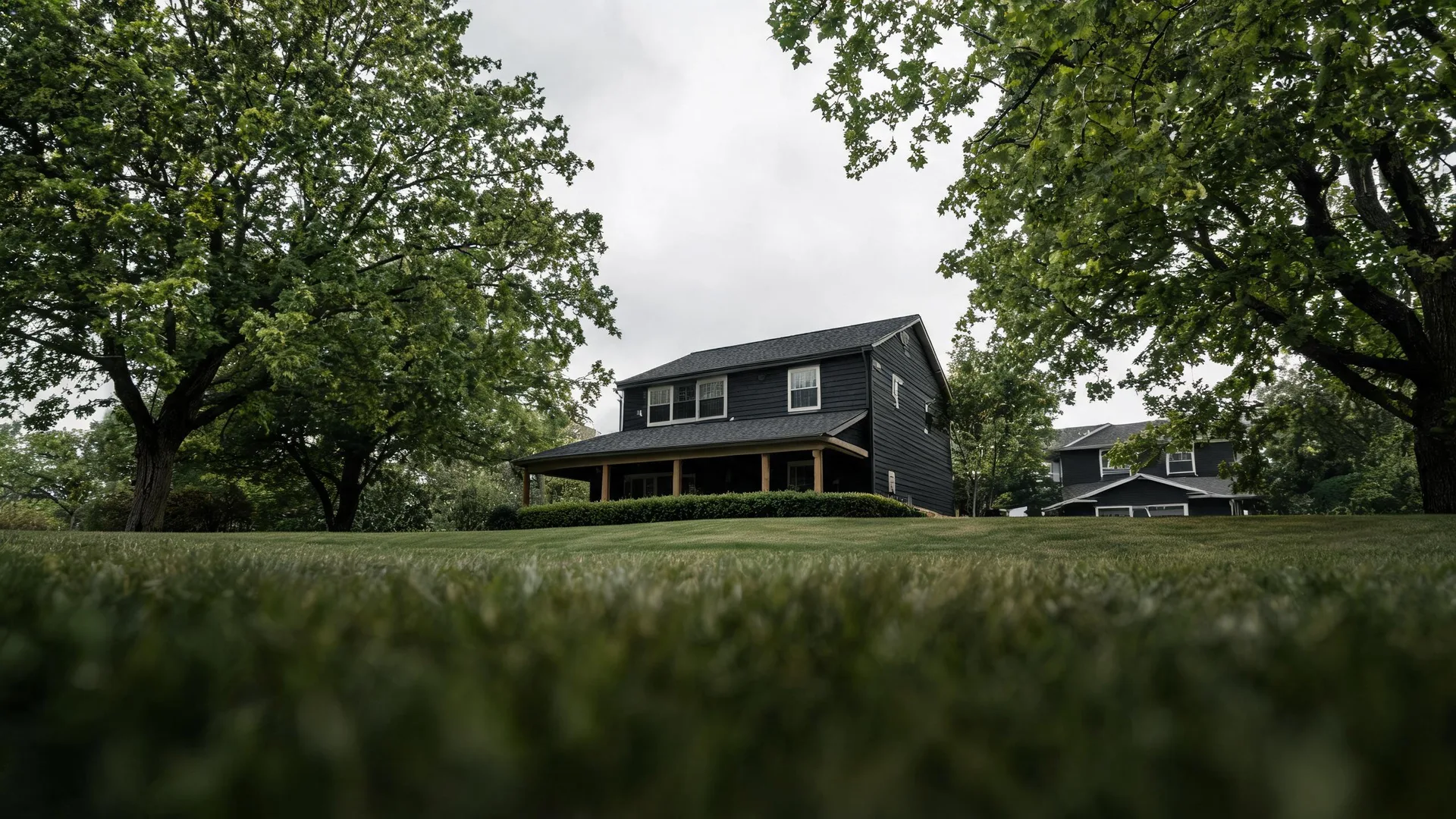




A low-angle view across a mown lawn toward a two-story dark-sided house with a covered front porch, flanked by large green trees under an overcast sky.

Furnace Maintenance in Dowagiac, MI

Tell us about the job

Takes about a minute. No obligation.

Tune-up, service, or cleaningFurnace or heatingCass County, MI
Step 1 of 2

What ZIP code is the job in?

Cass County saw 86 severe weather events between 2015 and 2024. That includes 47 damaging wind events, 12 hail events and four tornadoes. Wind and hail go after anything sitting outside, and your furnace system has a flue and intake running through the wall or roof that can take damage you won't see from the ground. Winter storms hit 22 times in that same stretch, the kind that knock out power for a day or more. Across Michigan, 34% of households lost power for at least 24 hours in 2024. A furnace with a cracked flue or a blocked intake is a bad thing to find out about during one of those outages, once the power is back and the house is cold.

Furnaces in Cass County start running in October.

Get the tune-up done in September, before the first cold night puts the system to work.

Half these furnaces are older than the house's last roof

Half the homes here were built by 1973
Climate zone 5A
Heat runs October through May
Gas runs this countyHalf the homes in Cass County heat with utility gas, and most of the rest burn LP.

Furnace here runs about eight months a year, October through May. That's most of the calendar, not a short stretch of cold. A furnace running that long wears down faster than one that only kicks on now and then, and parts like the igniter or the blower motor don't get much of a break between seasons. Cass County saw 22 winter storms between 2015 and 2024, heavy snow and ice that put the furnace to its hardest work right when conditions are worst outside. A furnace that's been losing efficiency all season tends to show it on exactly that kind of night.

Have the furnace checked before the next storm knocks the power out

A flue or intake that took damage back in storm season won't show it until the furnace needs to lean on it hard. A tune-up gets eyes on those parts now, while it's still easy to fix.

Find a contractor
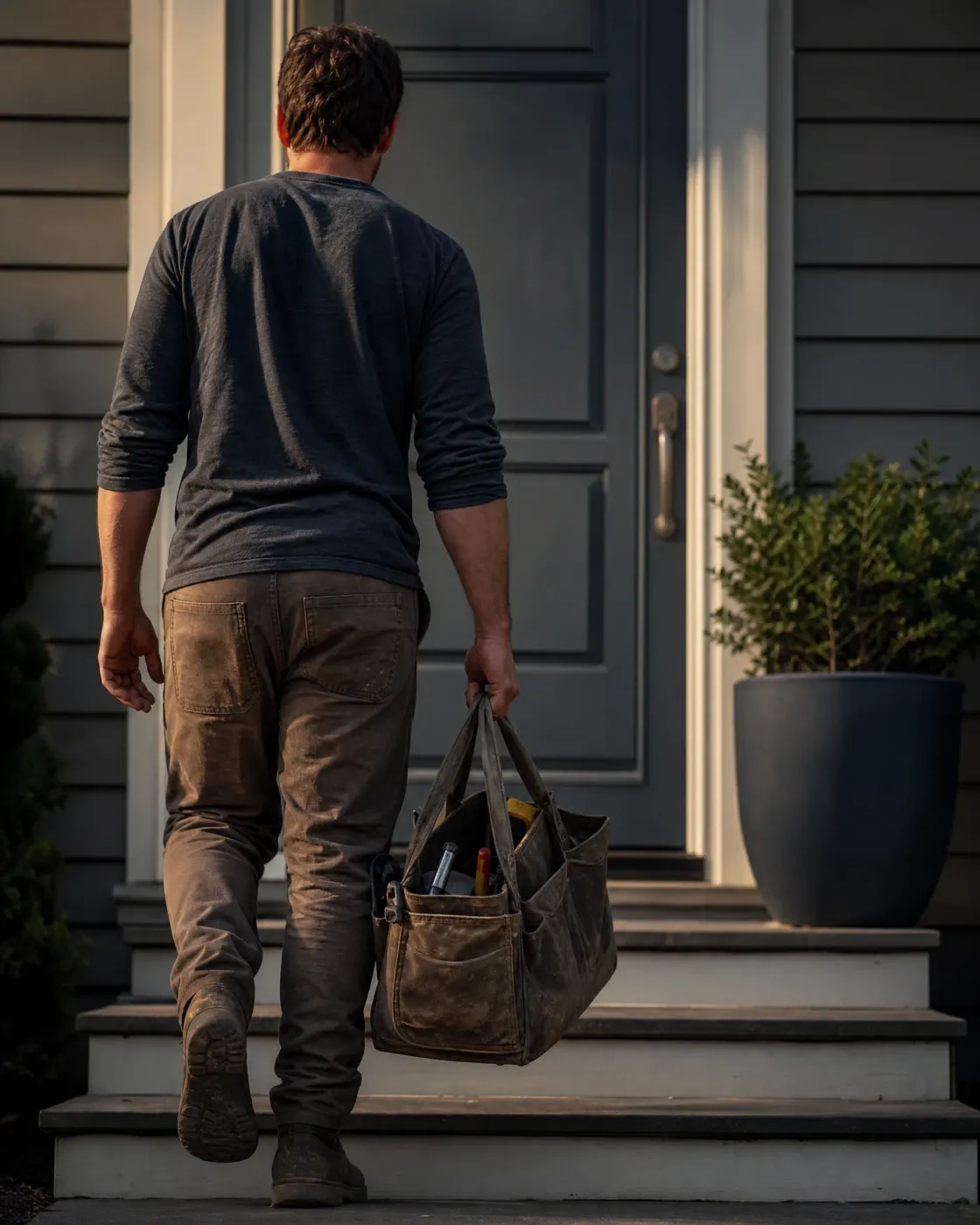
A man in a dark long-sleeve shirt and worn brown work pants, seen from behind, carries a canvas tool bag up the steps toward a gray front door, with a potted shrub beside the entry.
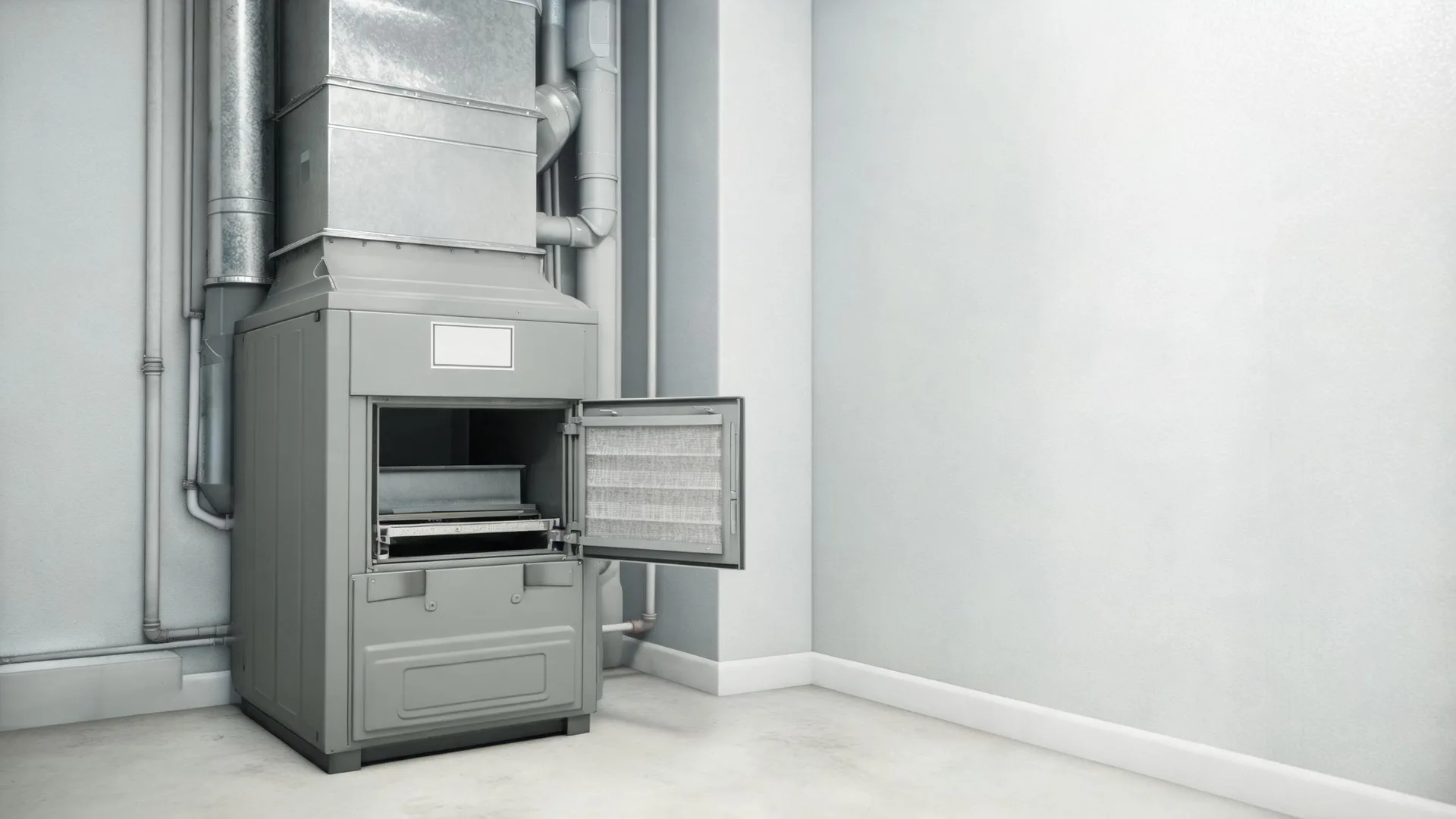
A gray residential gas furnace installed in an unfinished basement, connected to sheet-metal ductwork and PVC pipes.

Years on the job add up

If the furnace came with the house, a yearly check is the only way to know how it's holding up. A tech can look at the heat exchanger and the blower and tell you how they're wearing, not just whether the furnace fires up when tested. A crack or a tired motor caught early is a small fix. Left alone, it's the kind of thing that picks the coldest night to fail.

What skipping it misses

A tune-up is when the burners get cleaned, the flame sensor gets checked, the heat exchanger gets inspected for cracks, and the blower gets tested under its actual load. None of that happens on its own. A furnace can keep firing for years with a dirty flame sensor causing it to shut off early, or a blower motor pulling more than it should, and nothing tells the owner until the part quits outright.
How it tends to fail

Furnaces rarely give warning before they stop. A cracked heat exchanger or a failed igniter usually shows up as no heat at all, not a slow decline you can catch in time. The wear that leads there happens quietly over months, in parts a yearly check would have caught while the fix was still small.

A quick tune-up gets the furnace firing and calls it done. A thorough one takes the cabinet apart. The burners get pulled and cleaned, not just glanced at, because a burner caked with dust or rust burns uneven and puts soot on the heat exchanger behind it. The flame sensor gets cleaned or swapped, not just tested, since a sensor coated in oxidation can still pass a quick check today and fail next week. The heat exchanger gets inspected with a light and a mirror, looking for hairline cracks, not just a glance from the front. The blower gets pulled and tested under load, and the amp draw gets checked against what the motor is rated for. Airflow gets measured, not guessed at, because a return that's choked down low makes the heat exchanger run hotter than it should. If the visit is over before any panel comes off, it was the quick version.

Eight months of runtime and 22 winter storms both point to the same month: get the furnace looked at before October. A tune-up now means the burners and blower get checked while the weather is still easy to work in, not during a cold snap when a tech has a dozen other no-heat calls ahead of yours. It also means any part that's been wearing down all last season gets caught before it has to carry the load again. Once the first cold night hits, the furnace runs whether it's ready or not.