





A tall trimmed hedge runs along a mown lawn in front of a row of dark-sided townhouses with brown shingled roofs, framed by leafy tree branches under an overcast sky.

Furnace Maintenance in Caro, MI

Tell us about the job

Takes about a minute. No obligation.

Tune-up, service, or cleaningFurnace or heatingTuscola County, MI
Step 1 of 2

What ZIP code is the job in?

Tuscola County saw 87 severe weather events between 2015 and 2024. Most of that was wind, 59 events, with 14 winter storms and a handful of tornadoes and hail mixed in. That kind of weather works on a furnace even when the furnace itself sits inside. Power cuts are the real issue. Across Michigan, over a third of households lost power for a day or more in 2024, and a furnace with electronic ignition or a blower motor does not run without it. A tune-up is where a contractor checks the parts that fail quietly, so the furnace is ready before the next outage, not during it.

Furnace season starts in October here.

Have it checked in September, before the cold and the outages start.

Most of this county runs on gas, and gas furnaces need more than a filter change

45.2% of homes heat with gas
Climate zone 5A
Heat runs October through May
Half the furnaces here are older than the house's first owner would guessHalf the homes in Tuscola County were built in 1971 or earlier, and the furnace inside has had that many years to wear

Furnaces here run from October through May. That's eight months of the year the burner and blower are working, not just a few cold snaps. A furnace that runs that long gets more cycles on its igniter, more hours on its blower motor, more chances for a part to wear thin. A worn part usually shows itself early in the season, right when the house needs the heat most. A tune-up before October catches it while it's still just a worn part.

Have the furnace checked before the next outage tests it

A tune-up is also when a contractor can check the furnace itself for anything a power cut might leave behind, a loose connection, an igniter that needs resetting, before the next outage puts it to the test.

Find a contractor
A man in a dark cap, dark jacket and tan pants walks up gray porch steps toward a dark front door, carrying a worn brown leather duffel bag, with a potted shrub at left.
A gas furnace with attached ductwork, gas piping, and condensate lines installed in a concrete-block basement.

Eight months of work before the season even gets hard

Eight months of runtime means eight months where a loose connection or a worn part gets found out. A furnace that only ran a few weeks a year could hide a problem like that for seasons. One running from October to May doesn't get that kind of cover. Before the season starts, it's worth having someone look at what those months do to it.

The furnace starts talking before it quits

A furnace rarely fails without warning. It bangs on startup, or the flame looks yellow instead of blue, or the blower rattles before it settles into its normal hum. A short cycle, where the burner fires and shuts off again in a minute or two, usually means a flame sensor or limit switch is already struggling. None of these stop the house from heating right away. They're the furnace asking for a look before the part that's struggling gives out.
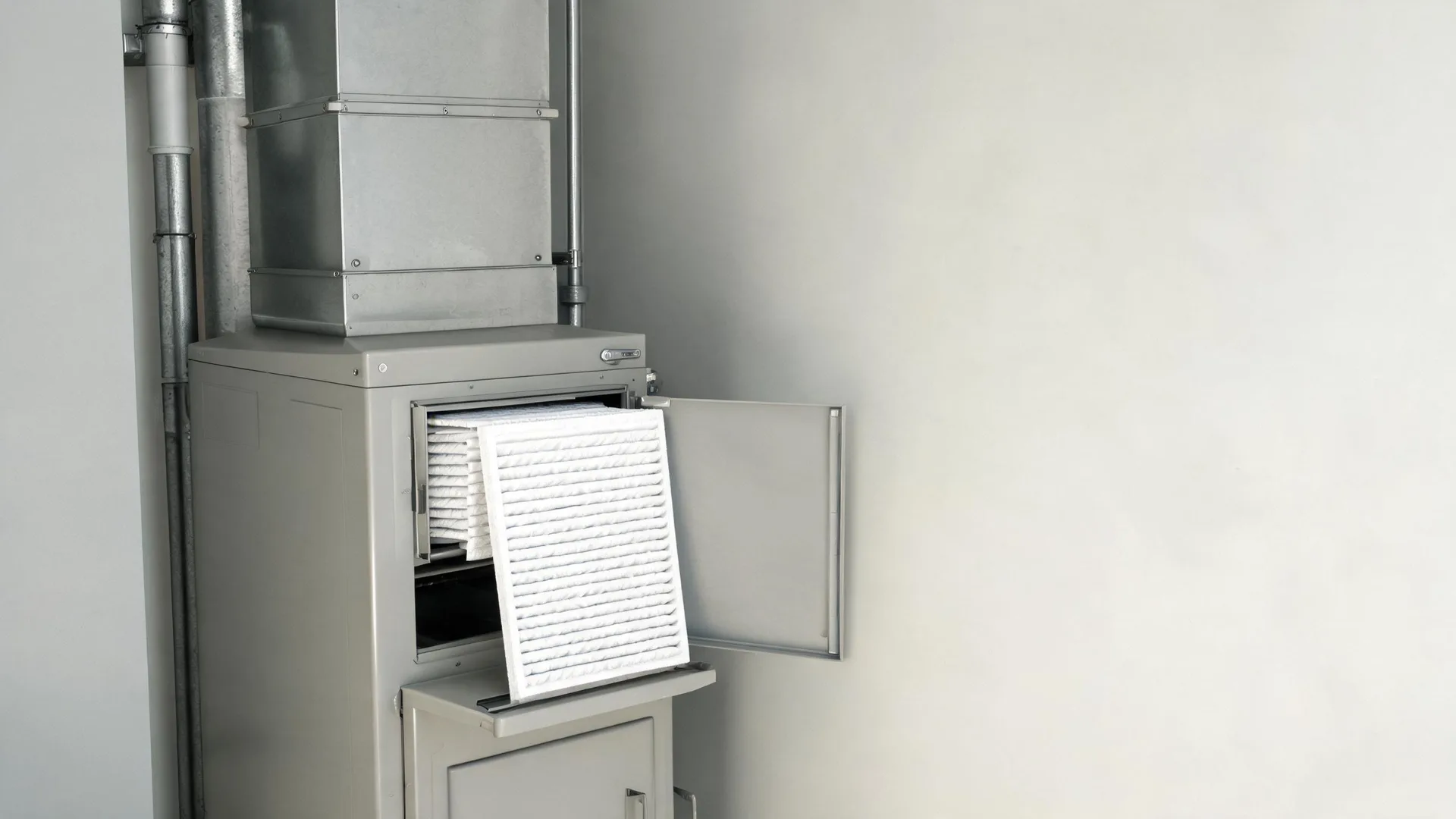
The signs are easy to miss until the check finds them

Soot around the burner, a weak flame, a blower that cycles more than it used to: a homeowner can live with these for months without knowing what they mean. A contractor checking the furnace knows what a cracked heat exchanger sounds like, what a failing igniter looks like mid-cycle, what a pressure switch reading should be. The check exists because most of what fails in a furnace fails quietly, in a place the homeowner never looks.

A tune-up gets inside the furnace in ways a homeowner never does. A contractor pulls the burner assembly and looks at the flame pattern up close, checks the heat exchanger for hairline cracks with a mirror and a light, and tests the draft to make sure exhaust is actually leaving the house instead of drifting back in. They check amp draw on the blower motor, which tells them if a bearing is starting to go long before it makes a sound. They test the limit switch and the flame sensor under load, not just by looking at them. None of this shows up from the thermostat. The furnace keeps heating right up until the part that was quietly failing stops working, and by then it's not a tune-up anymore, it's a repair.

A tune-up follows the same order every time, because skipping a step is how something gets missed. The burners get cleaned, since a dirty burner burns dirty, throwing a yellow flame instead of a steady blue one and building up soot that it shouldn't. The igniter gets checked for a hairline crack, the usual way these fail, by looking weak but still working until the day it doesn't. The flame sensor gets cleaned, since a thin layer of residue is enough to make a furnace shut off seconds after it starts. The blower wheel gets inspected for dust buildup, which makes the motor work harder to push the same air. Belt-driven blowers aren't common anymore, but where a blower does use one, the belt gets checked for wear. Every electrical connection gets tightened, because a loose wire under vibration is a nuisance call waiting to happen. None of this is optional and none of it takes guessing. It's the same list, checked the same way, every single time.