


A quiet residential street at dusk lined with illuminated two-story brick houses and mature trees.

Furnace Repair in Lansing, MI

Tell us about the job

Takes about a minute. No obligation.

RepairFurnace or heatingIngham County, MI
Step 1 of 2

What ZIP code is the job in?

Ingham County saw 44 severe weather events between 2015 and 2024. Most of that was damaging wind, 21 times in that stretch, plus 10 hail events and a dozen winter storms bringing heavy snow and ice. One tornado touched down too. Any of that can mean debris against the furnace vent or hail denting an outdoor coil, and a furnace that still fires up afterward isn't the same as one that came through clean. Statewide, a third of households went at least a day without power in 2024, and a furnace needs power to run even when the fuel is gas. If your system took a hit from a storm, that's worth a look even if nothing seems wrong yet.

8 months
October through May, your furnace is on duty
19°F
the average winter night it heats against
69%
of homes here heat with gas, so most furnaces here burn gas
12 winter storms
in ten years, the nights a failure hurts most
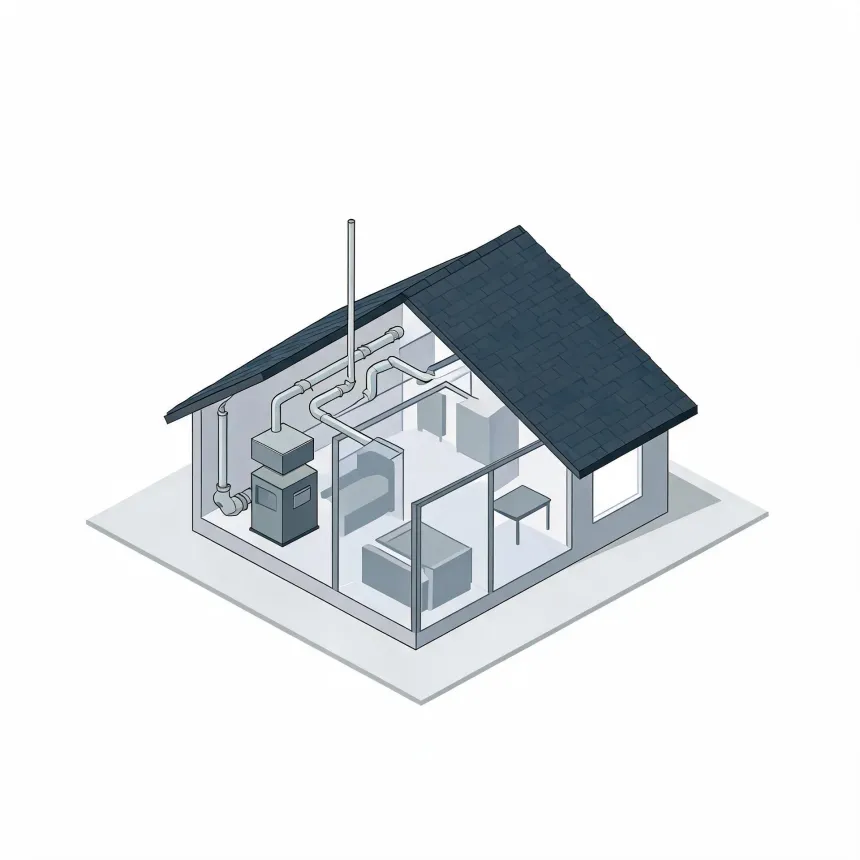
Isometric cutaway illustration of a small house with a dark shingled roof, showing an interior furnace unit, ductwork, and a flue pipe extending through the roof.
Your furnace works hardest from November through March.

NOAA nClimDiv, 1991–2020 normals

Half the furnaces in Ingham County are running in houses built in 1971 or earlier.

A furnace that old has likely been repaired more than once already, so ask what this one has left before you pay for another.

Eight months of heat starts in October, and that's when a weak part gives out

Heat runs October through May
Climate zone 5A
Winter nights average 19°F

Eight months a year is most of the year. Lansing furnaces start in October and don't shut off for good until May, which means long stretches where the burner, the blower and the igniter are all working without a break. A system that runs that much doesn't get much downtime to show you it's struggling before something actually fails. That's why a furnace acting up here is usually wear catching up with it, not a one-off glitch. Have the actual part checked rather than just the symptom, so what gets fixed is what's really worn.

If a storm got to it, get it checked now

A furnace that got hit by hail or debris and still fires up isn't the same as one that came through clean. If this one took a storm hit, have it checked before the cold settles back in.

Find a contractor
A man in a gray shirt and tan pants carries a worn canvas tool bag up porch steps toward a dark blue paneled front door, with a potted shrub beside the entry.
A gray residential gas furnace installed in an unfinished basement, surrounded by ductwork, a metal flue pipe, and a gas supply line.

An old furnace earns its keep one winter at a time

If a furnace that's already been repaired more than once goes out again, that's the moment to ask the contractor straight out how much life is left in it. A repair on a system that old is only worth it if there's enough life left to make it worth it. Get that answer before you pay for the part.

A limit switch doesn't fix itself

When a furnace overheats, the limit switch shuts the burner off to protect the heat exchanger. If it keeps tripping and the furnace keeps getting reset or restarted instead of looked at, that heat exchanger takes the damage the switch was trying to prevent. What started as a cycling problem can end as a cracked exchanger, and that's a part you replace, not repair.

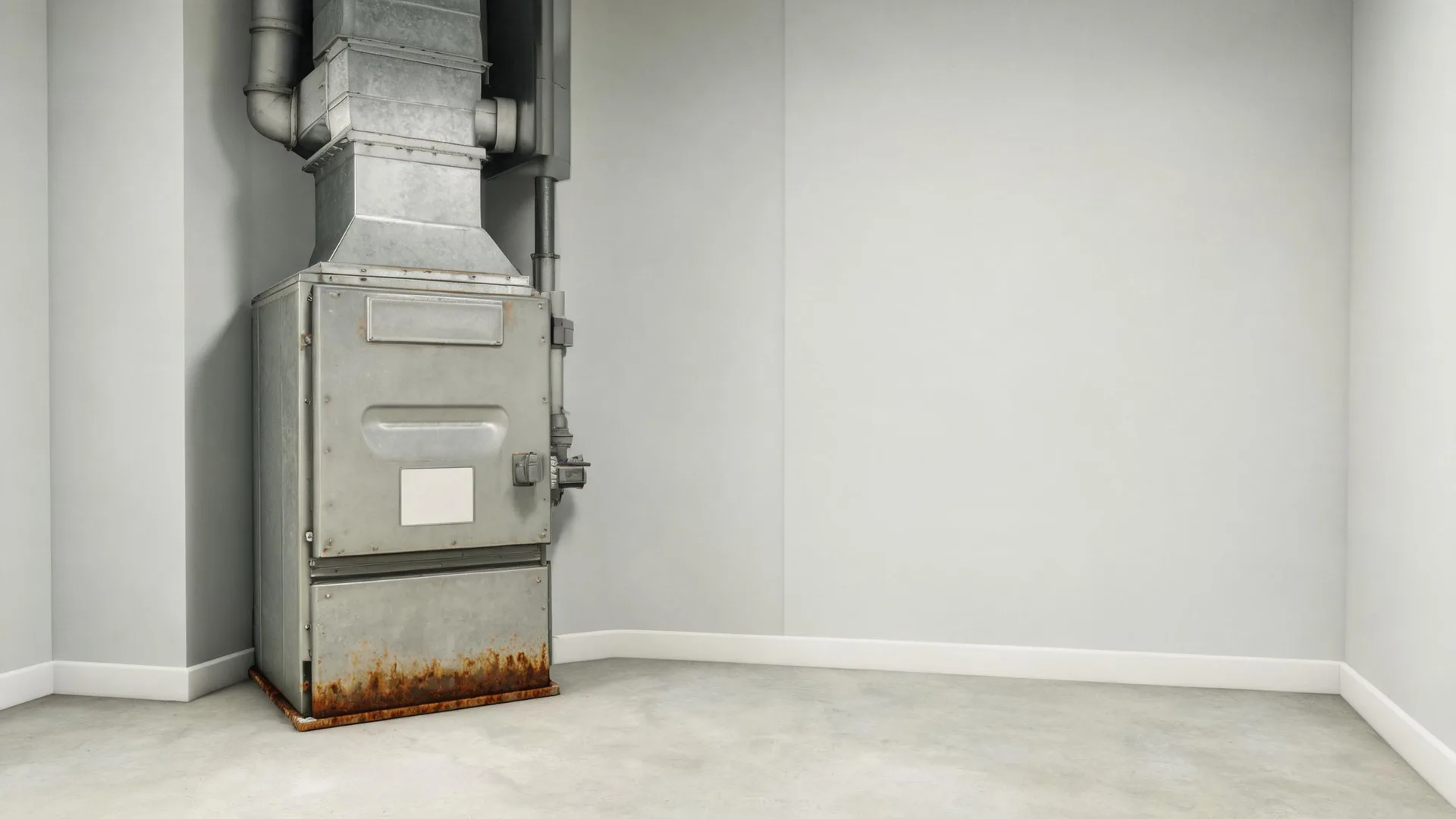
A cracked exchanger only gets worse

A small crack in the heat exchanger doesn't heal with use. Every time the furnace fires, the metal heats and expands, and a crack that started small works itself wider. Left running, it can go from a problem a sensor catches to one that lets combustion gas into the air the blower pushes through the house.

An unfinished concrete basement containing a gas furnace with sheet-metal ductwork, utility shelving, and exposed overhead joists.

A new furnace would cut about $150 a year off heating for a typical Ingham County home.

  • A new high-efficiency furnace$600 a year
  • An older furnace$750 a year

Estimates for a typical Ingham County home, compared with an older unit built to the previous federal minimum, from EIA household energy data, Michigan fuel prices and NOAA climate normals. Your home will differ.

Repair makes sense when one part has failed and the heat exchanger is sound.

Replacement makes sense when the heat exchanger is cracked or the furnace keeps needing parts.

A diagnostic visit starts before any panel comes off, with the tech asking what the furnace was doing and when. Short cycling, no heat, a burner that won't light, a blower that won't stop. That answer points to where to look first. From there it's a check of the whole run: power to the board, the flame sensor reading a clean signal, the igniter glowing or sparking the way it should, the limit switch doing its job instead of tripping early. A combustion analyzer can read what's actually coming off the burner, which says more about how the furnace is running than how it sounds or looks. If the heat exchanger is in question, that gets inspected directly rather than guessed at, because that's not a part anyone should assume about. The visit ends with the tech telling you what's worn, what's failing, and what it'll take to fix it, before any work starts.