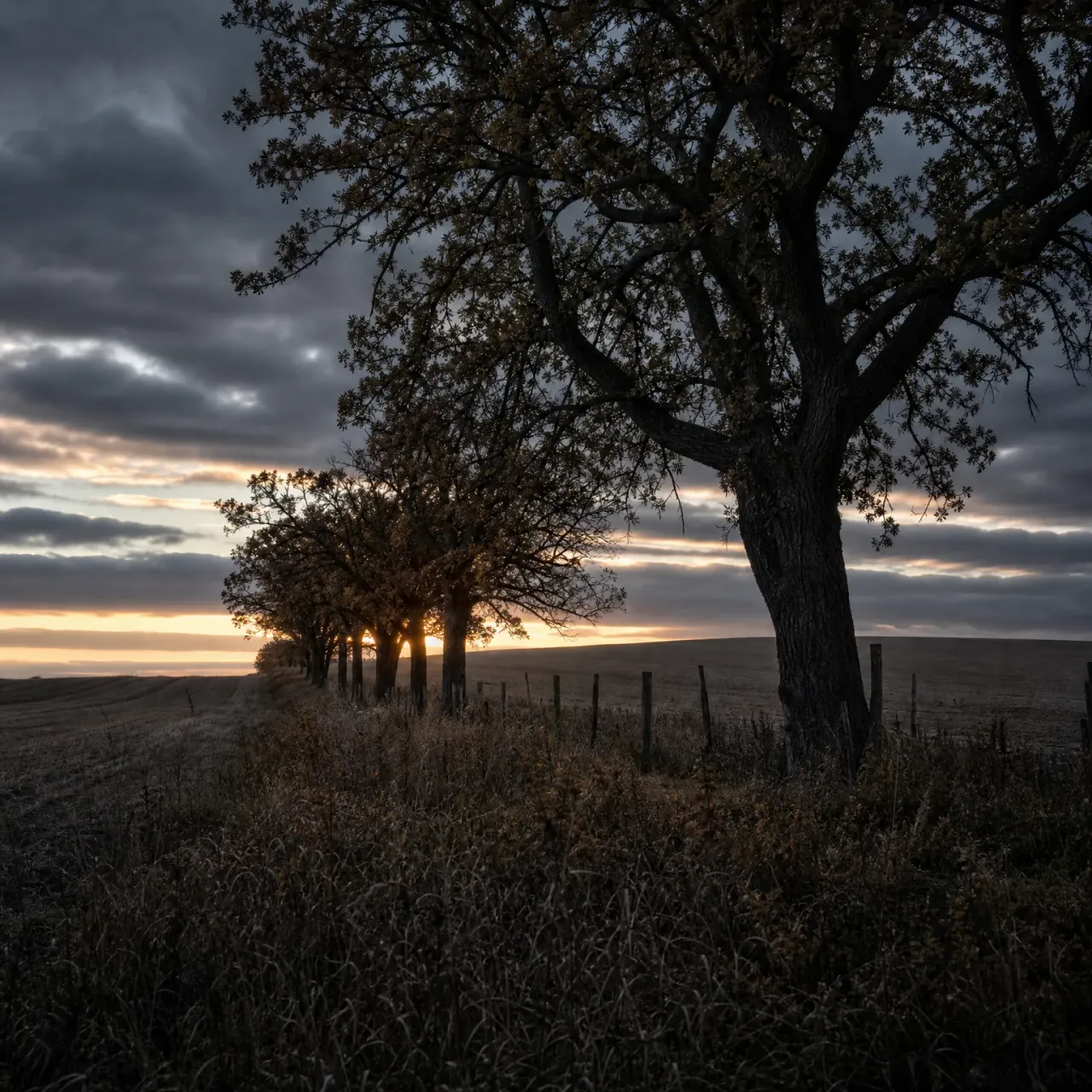
An unfinished basement containing a forced-air furnace with metal ductwork, exposed wooden ceiling joists, a hanging Edison bulb, and bare concrete floors.

Furnace Repair in Sandusky, MI

Tell us about the job

Takes about a minute. No obligation.

RepairFurnace or heatingSanilac County, MI
Step 1 of 2

What ZIP code is the job in?

Sanilac County sees real storm damage

Sanilac County recorded 71 severe weather events between 2015 and 2024, including 40 damaging wind events, 6 hail events, 5 tornadoes and 20 winter storms. That's weather that moves things, cracks things and knocks branches loose.
A furnace that still runs can still be hurt

Wind and hail reach the outdoor equipment tied to your heating system, not just the roof or the trees. A furnace that starts up fine after a storm can be running with a dented cabinet, a loose connection, or a part that's about to fail.

8 months
October through May, your furnace is on duty
19°F
the average winter night it heats against
20 winter storms
in ten years, the nights a failure hurts most
Isometric cutaway illustration of a single-story house showing interior rooms, a furnace unit with connected ductwork, and a flue pipe extending through the dark shingled roof.
Your furnace works hardest from November through March.

NOAA nClimDiv, 1991–2020 normals

Furnaces here start up in October after sitting idle since spring.

A weak igniter or a cracked heat exchanger usually shows itself in that first cold week, not in January.

Half the homes here were built in 1971 or earlier, and no furnace lasts that long

Half the homes here were built by 1971
Heat runs October through May
Winter nights average 19°F

Eight months of runtime is already the point made above this. What that means for a repair call is simpler: don't let the first fix be a guess. A furnace that's been cycling since October has had months for a marginal part to get worse, so the symptom you notice today might not be the part that's actually failing. A tech who checks the flame, the switches, and the board against what the furnace is actually doing will catch that. One who swaps the first likely part and moves on might get you two weeks before it happens again.

If the last storm reached your furnace, don't wait for it to fail

A furnace can run fine after a storm and still be carrying damage from it. If your outdoor unit took wind or hail recently, or you lost power for a stretch, get it checked now rather than after it quits.

Find a contractor
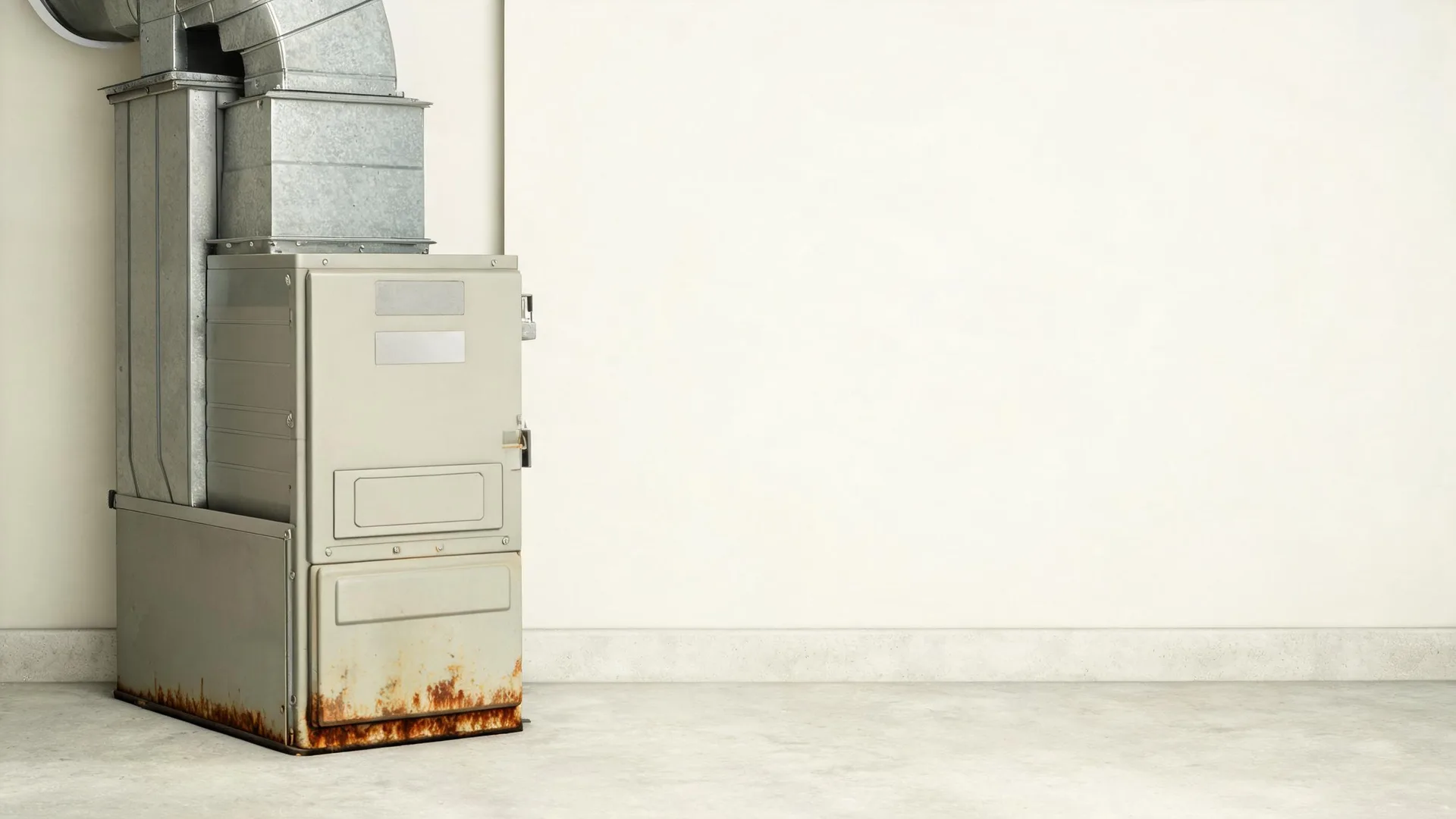
A gray gas furnace with attached ductwork and piping installed in an unfinished concrete basement.

It's been running since October. Have it checked properly.

Eight months of heat a year doesn't leave much time for anything to cool off and reset. When a furnace finally breaks down after running that long, chasing the symptom in front of you usually means it's back in a month. A proper diagnosis finds what actually gave out, not just what quit first.

The signs are rarely subtle

A furnace that needs attention usually tells you. Short cycling, where it fires up and shuts off before the house warms, points to a dirty flame sensor or a cracked heat exchanger tripping a safety switch. A burner flame that's yellow or flickering instead of steady blue means it's not burning clean. Banging or popping from the ductwork when it starts usually means the burners are delayed lighting. A blower that runs constantly, or won't shut off, often traces back to a bad limit switch or a failing control board.

Some signs matter more than others

A furnace that won't start at all is often just a bad igniter or flame sensor, an easy fix. A furnace that starts, runs, and shuts off repeatedly is working against something, and that's the one to get looked at sooner. Any smell of gas, or soot around the cabinet, means shutting it down and calling for service, not waiting to see if it happens again. The sound a furnace makes when something's wrong is usually worth more than how warm the house feels, because the house can stay warm right up until the part fails completely.

An unfinished basement featuring a grey forced-air furnace with metal ductwork, concrete block walls, exposed wooden joists, and a single hanging bare bulb.

A new furnace would cut about $150 a year off heating for a typical Sanilac County home.

  • A new high-efficiency furnace$620 a year
  • An older furnace$770 a year

Estimates for a typical Sanilac County home, compared with an older unit built to the previous federal minimum, from EIA household energy data, Michigan fuel prices and NOAA climate normals. Your home will differ.

Repair makes sense when one part has failed and the heat exchanger is sound.

Replacement makes sense when the heat exchanger is cracked or the furnace keeps needing parts.

A diagnostic visit starts before any panel comes off. A tech asks what it's doing, when it started, and whether it happens on startup, mid-cycle, or at shutdown. Then the cabinet comes off and the burners get a look, because flame tells you a lot: steady blue means it's burning clean, yellow or flickering means it isn't. From there it's a process of checking the parts that actually cause the symptoms described, the igniter, the flame sensor, the limit switch, the control board, rather than swapping things at random. Pressure switches and safety switches get tested too, since those are what shut a furnace down to protect it rather than let it fail outright. The point of the visit is to find the part that actually gave out, not the one that happened to quit first.