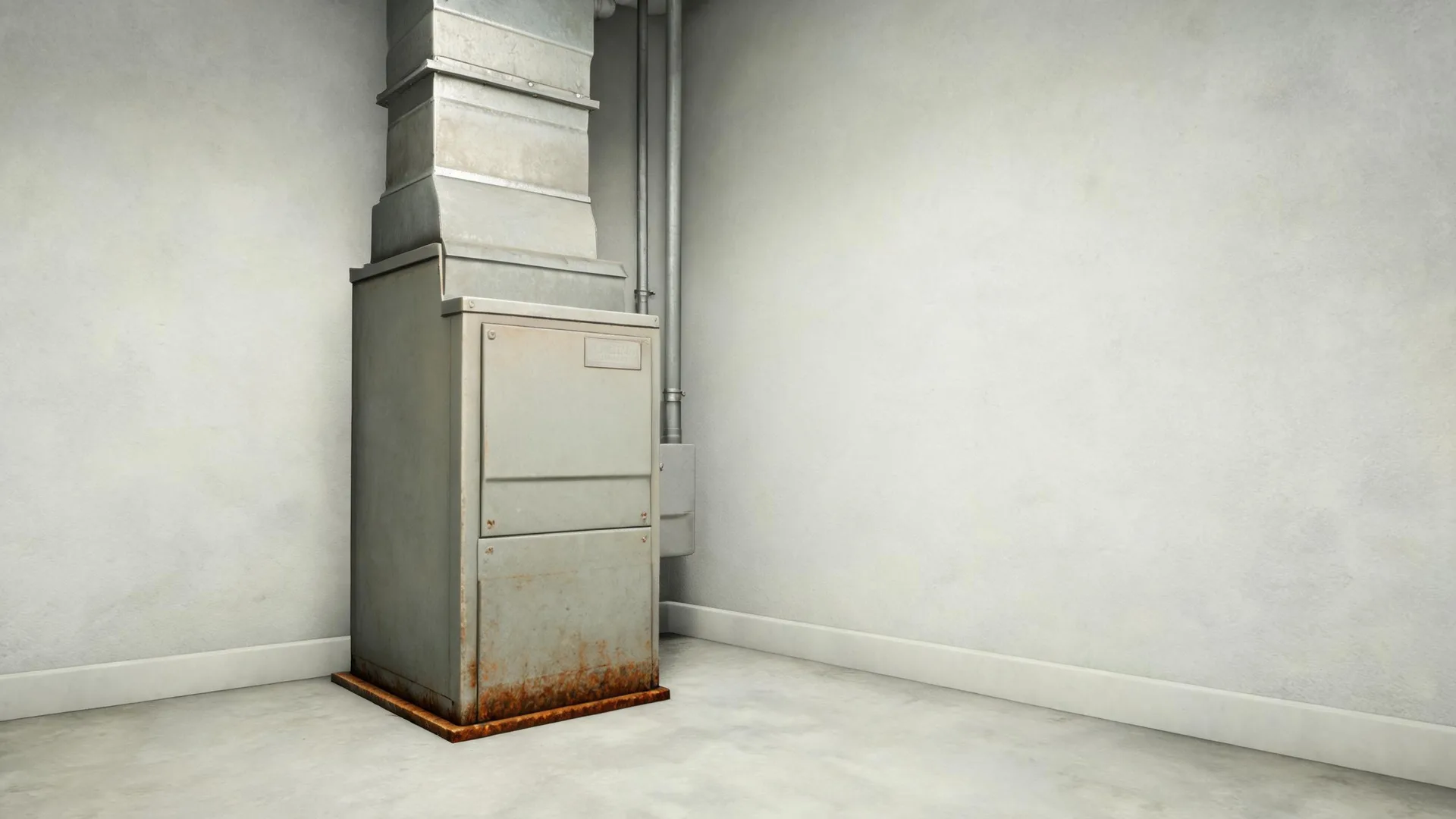
This county gets hit often
Bay County recorded 76 severe weather events between 2015 and 2024. Damaging wind caused 49 of them, with 14 hail events, 12 winter storms, and a tornado in that stretch.
Takes about a minute. No obligation.
Bay County recorded 76 severe weather events between 2015 and 2024. Damaging wind caused 49 of them, with 14 hail events, 12 winter storms, and a tornado in that stretch.
Wind and hail reach the parts of a furnace system sitting outside, and a winter storm can knock out the power it needs to start. A furnace that still fires up after a bad storm can have damage that only shows up later.

NOAA nClimDiv, 1991–2020 normals
Furnace season starts in October here.
A weak part that made it through last winter is what fails in the first cold snap.
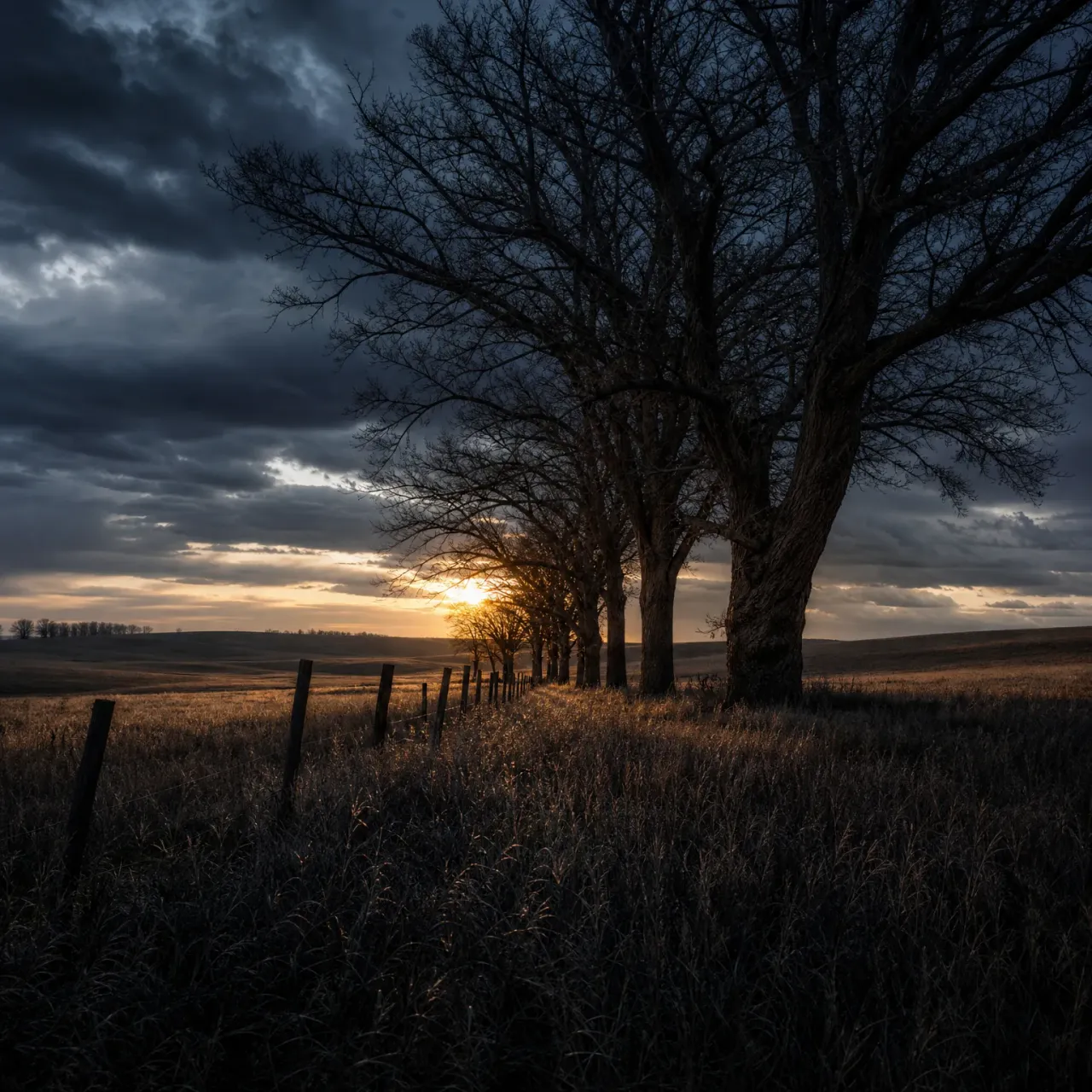
Furnace here runs about eight months a year, October through May. That's longer than most of the country asks of a furnace, and it adds up on the parts that cycle every time the system fires: the igniter, the blower motor, the limit switch. A furnace running that many months doesn't get much of a break between seasons to reveal a problem before you need it again. If something's already acting up, it's been working toward that for a while. Getting it looked at properly now means whoever fixes it is fixing the actual problem, not just the symptom you noticed.
If the furnace sat through hail, high wind, or a winter storm and still runs, that's not proof it came through clean. A tech can check it now and catch what a storm left behind before the next outage asks the system to start back up.
Find a contractor
If your furnace came with the house, it's worth finding out how old that makes it. A tech checking the current problem can tell you how much life the unit has left while they're already in there. That's worth knowing before you spend money on this repair, especially if nobody's sure whether it's the original furnace or a replacement put in years later.
A bad igniter just won't light. A failing blower motor hums but doesn't push air. A cracked heat exchanger can make the burner flame flicker or turn yellow instead of blue. Most problems show up as something smaller acting wrong, not the whole system going dark.
A furnace that clicks and tries to start but won't catch is different from one that catches and then shuts off a few minutes later. Banging at startup, a burning smell that doesn't clear after the first few minutes, or short cycling all point to different parts. Telling a tech what you noticed, and when, helps them find it faster.
Estimates for a typical Bay County home, compared with an older unit built to the previous federal minimum, from EIA household energy data, Michigan fuel prices and NOAA climate normals. Your home will differ.
Repair makes sense when one part has failed and the heat exchanger is sound.
Replacement makes sense when the heat exchanger is cracked or the furnace keeps needing parts.
A diagnostic visit starts before any panel comes off. A tech asks what you noticed, when it started, and what the furnace was doing right before. Then the cover comes off and they watch it try to run, because a furnace often behaves differently on startup than it does once it's been running a minute. They'll check the flame, check for proper ignition, test the safety switches, and read the pressures and voltages against what the furnace is supposed to show. Some of what's wrong only shows up while it's running, so they let it cycle rather than just looking at it cold. By the end you should hear which part failed and why, not just that something did.