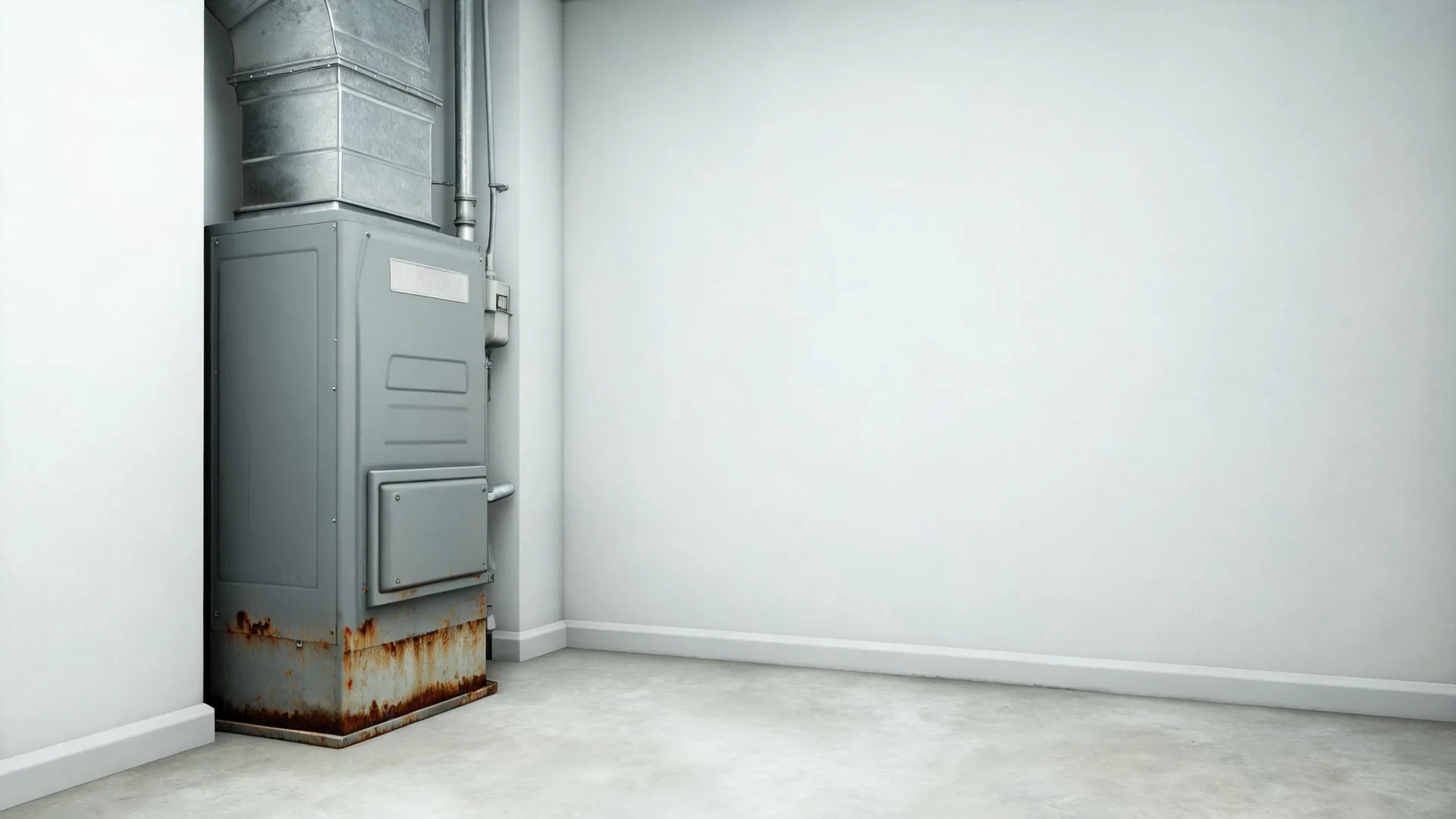
Weather here takes a toll
Berrien County logged 123 severe weather events between 2015 and 2024, including 81 bouts of damaging wind and 29 hail events. A furnace itself sits indoors, but the outdoor venting and any attached AC unit don't.
Takes about a minute. No obligation.
Berrien County logged 123 severe weather events between 2015 and 2024, including 81 bouts of damaging wind and 29 hail events. A furnace itself sits indoors, but the outdoor venting and any attached AC unit don't.
More than a third of Michigan households went at least a day without power in 2024. A gas furnace still needs electricity to run the blower and ignition, so an outage leaves a house without heat even with gas flowing.
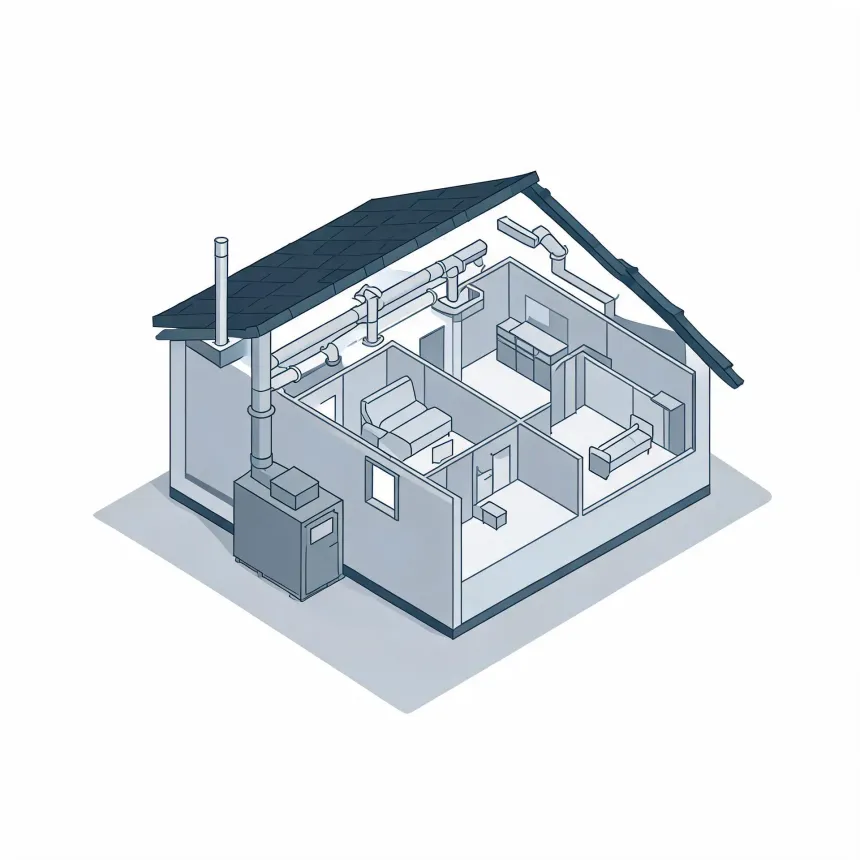
NOAA nClimDiv, 1991–2020 normals
Half the homes in Berrien County were built in 1966 or earlier.
A furnace that old has likely been replaced once already, so ask the tech how much life the current one has left before you pay for a big repair.



Furnace here runs about eight months a year, October through May. That is most of the year spent heating, not just the dead of winter. A system that runs that long gets more cycles on the igniter, the blower motor, the limit switch, every part that turns on and off to keep a house warm. More cycles means more chances for one of them to wear out or start failing partway. If your furnace is acting up, there is a good chance it is simply tired from carrying the load this county asks of it. That is worth knowing, but it does not tell you whether to repair it or replace it. A tech who checks the system properly can tell you which parts are worn and whether the fix will hold.
Hail and wind this frequent will eventually catch a vent or an outdoor unit. If yours came through a storm and still seems to run fine, have it checked anyway. Something bent or clogged outside does not always show up as a problem right away, and a furnace that has to work around it will wear faster than one that doesn't.
Find a contractor
Eight months of heat a year means eight months of parts cycling on and off. When one of them finally gives out, the fix depends on which part it is and how far along the rest of them are. Guessing wastes a visit. Have a tech check the whole run, not just the part that quit, so the repair holds through the next winter instead of failing partway through it.
The igniter has to heat up and light the gas every cycle, and that repeated heating wears it out over time until it cracks or stops glowing hot enough. The flame sensor sits right in the burner flame to confirm it lit, and soot builds up on it until it can't sense the flame anymore. Either failure stops the furnace from firing at all, and both are wear items, not defects.
The blower motor pushes air through the house every time the furnace calls for heat, and the bearings inside it wear down with use until the motor seizes or starts making noise. The limit switch watches the furnace temperature and shuts off the burner if airflow is blocked, often by a dirty filter, and a switch that trips often from restricted airflow wears out faster than one that rarely has to work.
Estimates for a typical Berrien County home, compared with an older unit built to the previous federal minimum, from EIA household energy data, Michigan fuel prices and NOAA climate normals. Your home will differ.
Repair makes sense when one part has failed and the heat exchanger is sound.
Replacement makes sense when the heat exchanger is cracked or the furnace keeps needing parts.
A diagnostic visit starts with the thermostat and works back from there, checking that a call for heat actually reaches the furnace before anything else gets taken apart. From there a tech pulls the panel and watches a full cycle: does the igniter glow and light the burner, does the flame sensor hold the gas valve open, does the blower kick on once the heat exchanger warms up. Each of those points rules something in or out. A furnace that tries to ignite several times before giving up is telling a different story than one that never tries at all, and a tech reads that pattern before touching a single part. Airflow gets checked too, since a dirty filter or a blocked return can trip the limit switch and look like a failure somewhere else. By the end, the tech should be able to say which part failed, why it failed, and whether anything else is close behind it.