An unfinished basement containing a forced-air furnace with metal ductwork, exposed wooden ceiling joists, a hanging Edison bulb, and bare concrete floors.

Furnace Repair in Holland, MI

Tell us about the job

Takes about a minute. No obligation.

RepairFurnace or heatingOttawa County, MI
Step 1 of 2

What ZIP code is the job in?

Ottawa County sees real storm numbers

Ottawa County recorded 61 severe weather events between 2015 and 2024, including 35 damaging wind events, 6 hail events, 3 tornadoes and 17 winter storms. That's a lot of chances for a furnace and its outdoor components to take a hit.
Power doesn't always hold through a storm

More than a third of Michigan households went at least 24 hours without power in 2024. A gas furnace still needs electricity to run its blower and controls, so a long outage during a cold stretch leaves a home without heat even if the furnace itself is fine.

8 months
October through May, your furnace is on duty
20°F
the average winter night it heats against
84%
of homes here heat with gas, so most furnaces here burn gas
17 winter storms
in ten years, the nights a failure hurts most
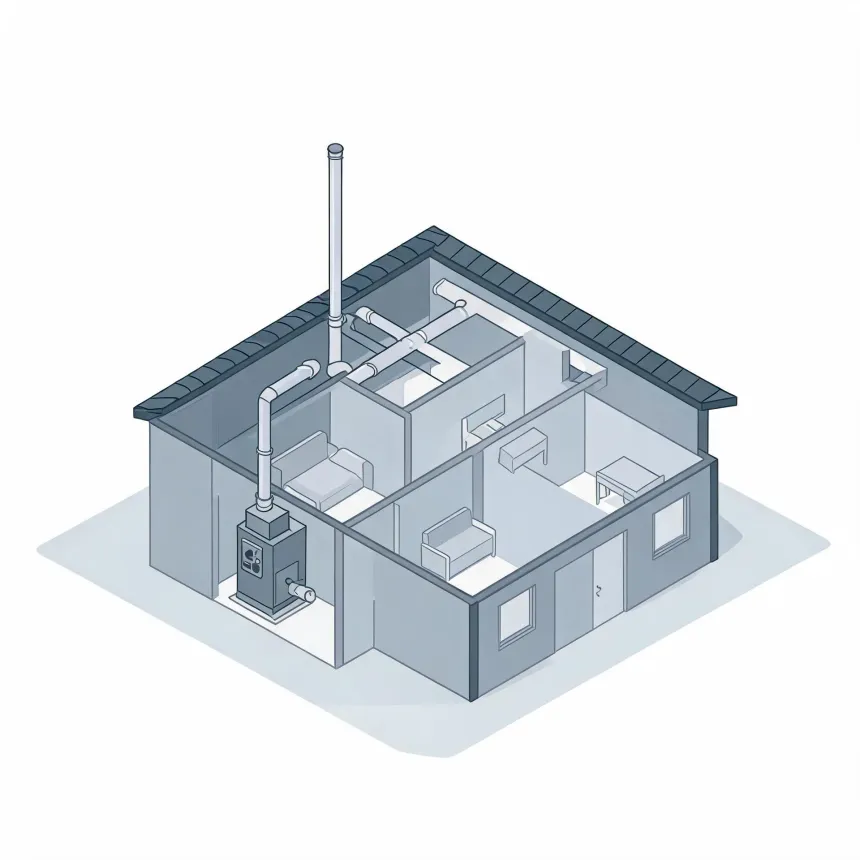
Isometric grayscale illustration of a cutaway single-story house showing interior rooms with furniture, a furnace unit connected to ductwork and a tall vertical flue pipe extending above the roof.
Your furnace works hardest from November through March.

NOAA nClimDiv, 1991–2020 normals

Furnaces in Holland run from October through May, eight months out of the year.

That kind of runtime wears parts down early, so the problem is probably more than a fluke.

Half the furnaces here are still young enough to fix

Half the homes here were built by 1988
Climate zone 5A
Heat runs October through May
The first cold snap finds the weak partHeat starts running in October here. Whatever didn't get fixed over the summer shows up fast.

If your furnace came with the house and the house is newer, that's worth knowing before you decide anything. Half the homes in Ottawa County were built in 1988 or later, which puts a lot of furnaces well within reach of a repair instead of a replacement. A technician can check the age off the data plate on the unit itself. If the parts inside are original to a newer system, a broken igniter or a failed control board is usually a straightforward fix, not a sign the whole thing is done.

Get the furnace checked before the next storm finds the weak spot

A furnace that took a hit from a storm doesn't always show it right away. If yours has been through hail or debris and is acting up now, have the outdoor parts checked along with whatever repair you're calling about.

Find a contractor
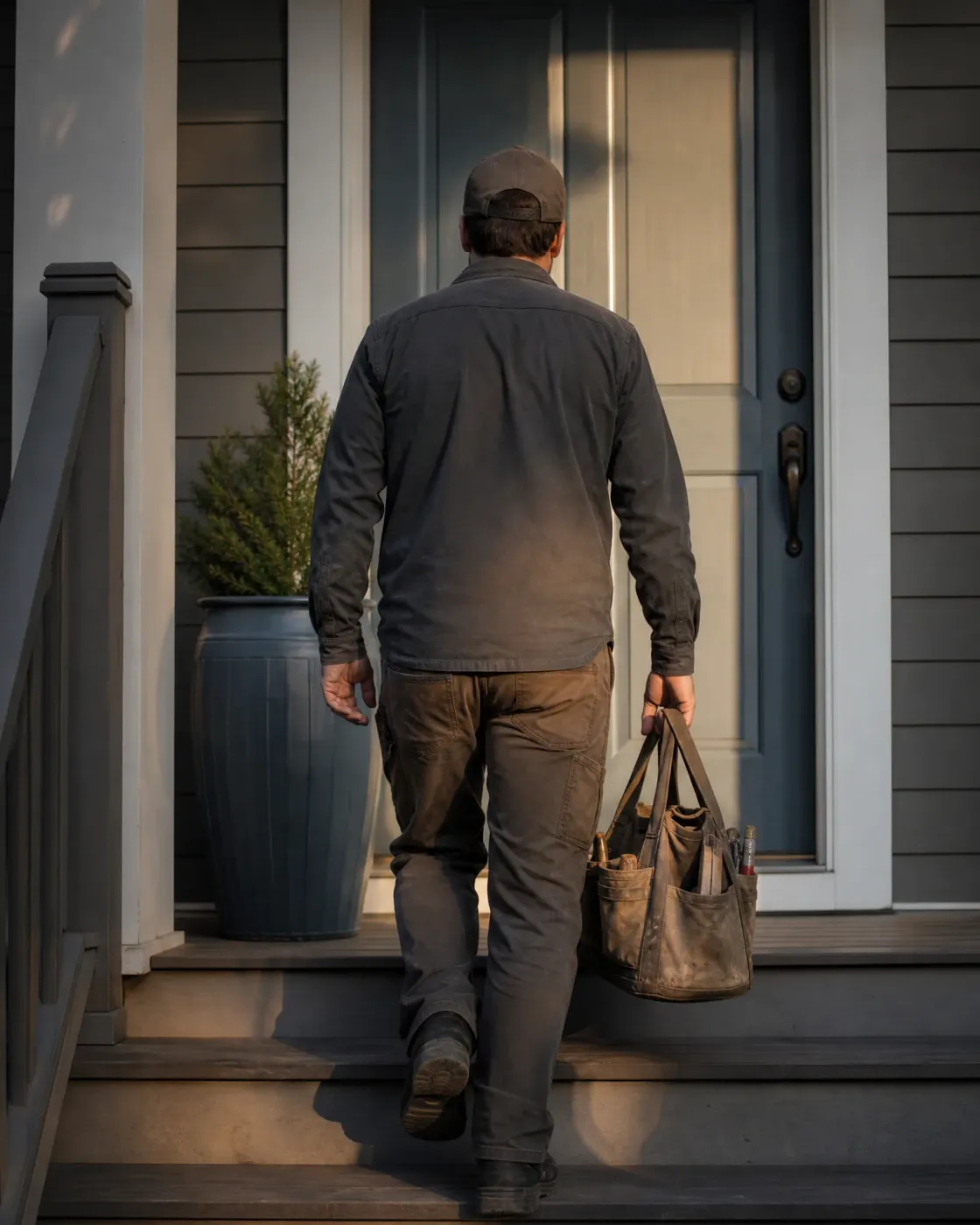
A man in a cap and dark jacket, seen from behind, carries a canvas tool bag up porch steps toward a dark blue front door of a gray-sided house.
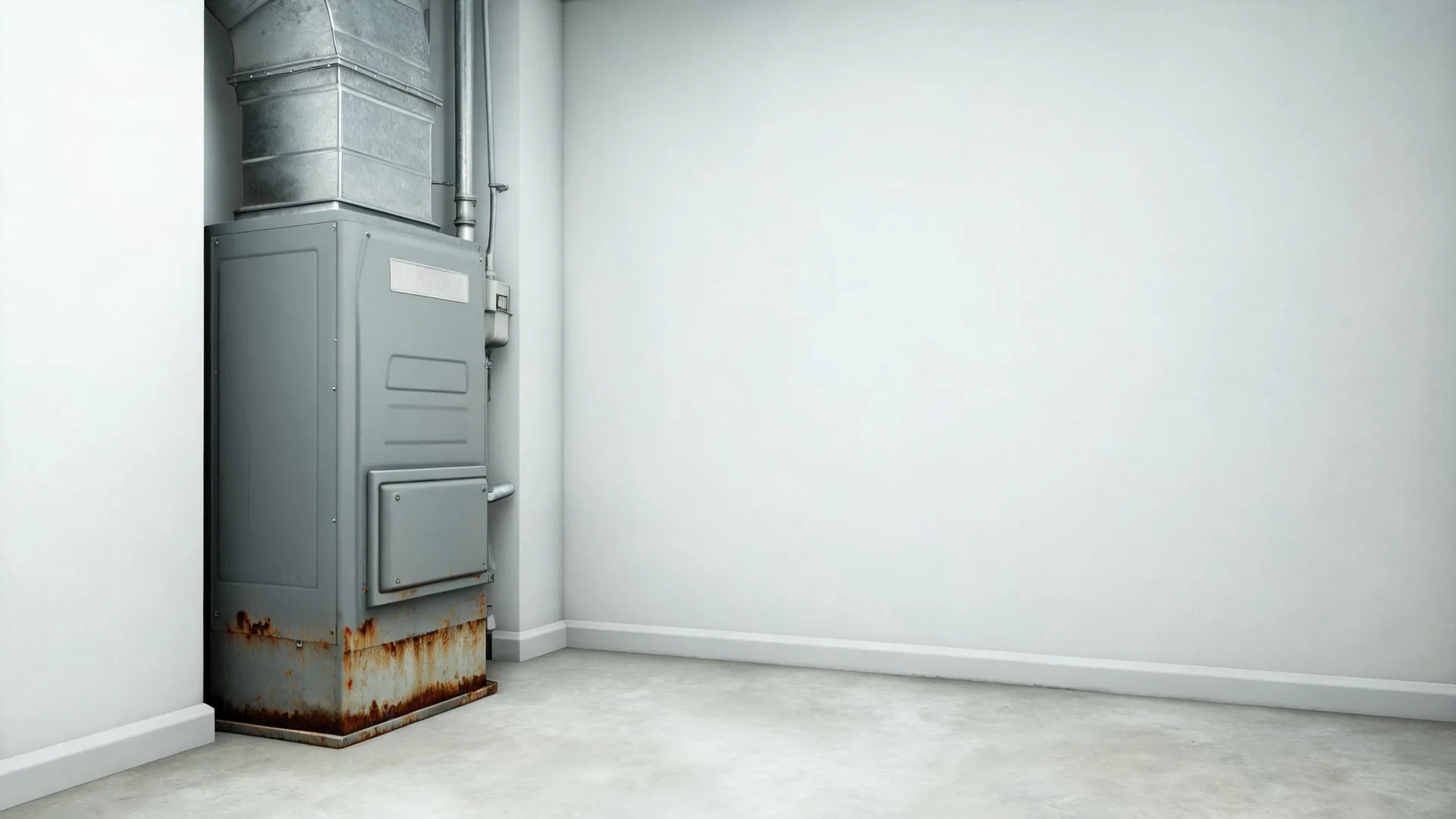
A gray gas furnace with attached ductwork and piping installed in an unfinished concrete basement.

This furnace doesn't get an off season

Eight months of runtime a year does not leave much time off. A furnace that starts in October and keeps going through May is working through the hardest stretch of winter and whatever early fall and late spring throw at it, with no real break to show a problem before it becomes one. When something is off, a tech should check it against the furnace's actual runtime and age rather than guess from the symptom alone. That's how you tell a part that failed on schedule from one that's warning you about something bigger.

Most failures start with ignition or airflow

An igniter wears out from being heated and cooled every cycle until it finally cracks. A flame sensor coated in residue stops sensing the flame and shuts the burners down as a safety response. A blown blower capacitor or a seized motor bearing stops air from moving through the system at all. None of these mean the furnace is failing as a whole. They're individual parts that wear out on their own schedule.

A dirty filter causes damage that looks like something else

A clogged filter starves the system of airflow, and the heat exchanger runs hotter than it should because the warm air isn't moving past it fast enough. That can trip a limit switch and shut the furnace down, or crack the exchanger over time. The fix people need is often just a filter change, but the symptom, a furnace that shuts off mid-cycle, looks the same as a failing control board until someone checks.

An unfinished basement featuring a grey forced-air furnace with metal ductwork, concrete block walls, exposed wooden joists, and a single hanging bare bulb.

A new furnace would cut about $140 a year off heating for a typical Ottawa County home.

  • A new high-efficiency furnace$580 a year
  • An older furnace$720 a year

Estimates for a typical Ottawa County home, compared with an older unit built to the previous federal minimum, from EIA household energy data, Michigan fuel prices and NOAA climate normals. Your home will differ.

Repair makes sense when one part has failed and the heat exchanger is sound.

Replacement makes sense when the heat exchanger is cracked or the furnace keeps needing parts.

A diagnostic visit starts before any panel comes off. A tech asks what the furnace is doing, when it started, and whether it happens mid-cycle, on startup, or at random. Then the cover comes off and the burners get a look while the furnace runs through a full cycle, since some problems only show up once the system is warm. A multimeter checks the igniter and flame sensor for the readings they should carry. Static pressure gets checked across the filter and ductwork to see if airflow is where it should be. The control board can usually report its own fault codes through a blink pattern, which narrows things down fast instead of guessing. The goal is to find which part failed and why, not just to get the furnace running again for now.