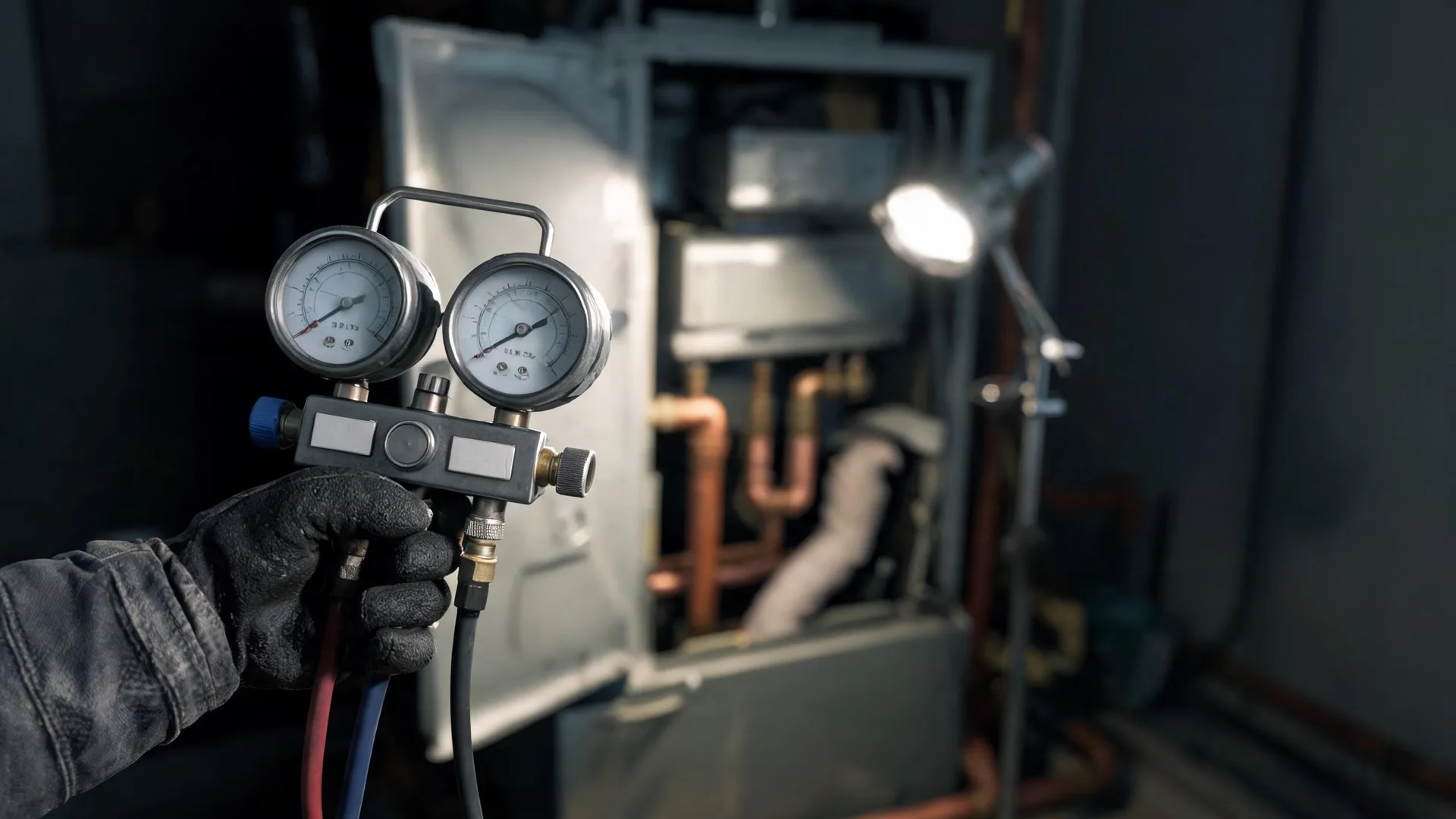
Ten months of heat a year
Furnaces in Marquette County run from September through June. With overnight lows averaging 9°F in December, January and February, the furnace rarely gets a real break before it has to work hard again.
Takes about a minute. No obligation.
Furnaces in Marquette County run from September through June. With overnight lows averaging 9°F in December, January and February, the furnace rarely gets a real break before it has to work hard again.
An igniter or blower motor that would last years somewhere else is under load almost year round here. When one of those parts starts failing, it's worth having a contractor check it properly rather than guessing at the fix.
NOAA nClimDiv, 1991–2020 normals
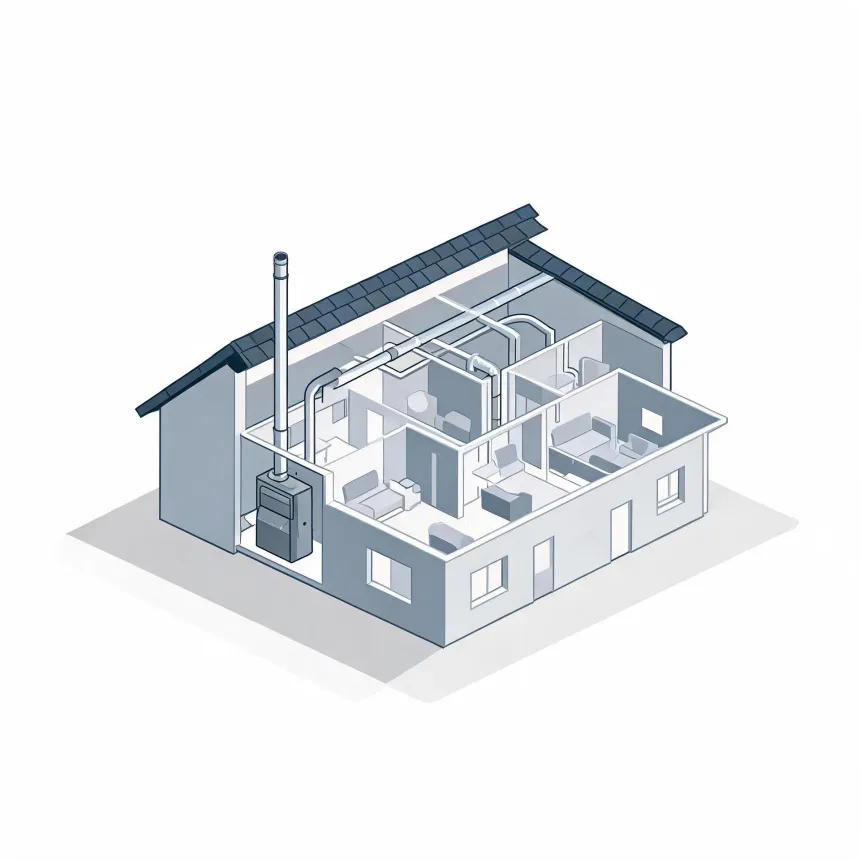
Half the homes in Marquette County were built in 1971 or earlier.
A furnace that's original to a house that age is already past the point where repair makes sense every time.



Furnace season starts in August here, before the calendar says it should. Homes in Marquette County are running heat by September, and the furnace that sat quiet since June gets asked to work right away. That first startup is when a weak igniter or a blower motor that was already struggling shows itself. Nothing announces it ahead of time. If a furnace ran rough last spring or made a noise that wasn't there before, late summer is the time to get it looked at, before it has to run flat out for the next ten months.
Natural gas cost Michigan homes $10.21 per million Btu in 2024. A furnace running here most of the year, on top of that price, means a cracked heat exchanger, a bad igniter or a blower pulling more than it should adds up fast. Worth having a contractor look at it now.
Find a contractorA furnace here doesn't get much time off before it's back to work. If yours has been running rough, don't wait out the next cold stretch hoping it sorts itself out. Have a contractor look at it now, while it can still be a repair instead of something worse.
A furnace that won't light, or lights and then shuts back off, usually comes down to the igniter or the flame sensor. The igniter is a thin strip that wears out from repeated heating and cooling cycles until it cracks or stops glowing hot enough. The flame sensor reads whether a flame is actually present, and once it's coated with a film of residue it can't tell the control board the flame is there, so the system shuts the gas back off as a safety measure. Both are wear parts. Neither failing means the furnace is done.
The blower runs longer than any other part in the system, pushing air through the house every time the thermostat calls for heat. Bearings wear, the motor windings can overheat, and a capacitor that helps start the motor weakens over time until the blower is slow to start or doesn't start at all. A blower under strain often sounds different before it fails outright, a hum without the fan turning, or a rattle that wasn't there before. That change in sound is usually worth a look before the motor quits for good.
Estimates for a typical Marquette County home, compared with an older unit built to the previous federal minimum, from EIA household energy data, Michigan fuel prices and NOAA climate normals. Your home will differ.
Repair makes sense when one part has failed and the heat exchanger is sound.
Replacement makes sense when the heat exchanger is cracked or the furnace keeps needing parts.
A diagnostic call starts before any panel comes off, with the contractor asking what the furnace was doing and when. Was it short cycling, making a new noise, blowing cold air before it shut off. That gets narrowed down with a multimeter and a look at the flame through the sight glass, checking that the igniter glows and holds, that the flame sensor reads a steady signal, that the pressure switch closes when the inducer motor spins up. Each part gets tested in the order it fires, since a furnace lights in a sequence and whatever step it stalls on points to the part at fault. A good diagnosis also means checking the parts around the failed one, not just the one that quit, so a worn igniter doesn't get swapped while a cracked heat exchanger goes unnoticed. The contractor should be able to tell you what failed and why, not just that something did.