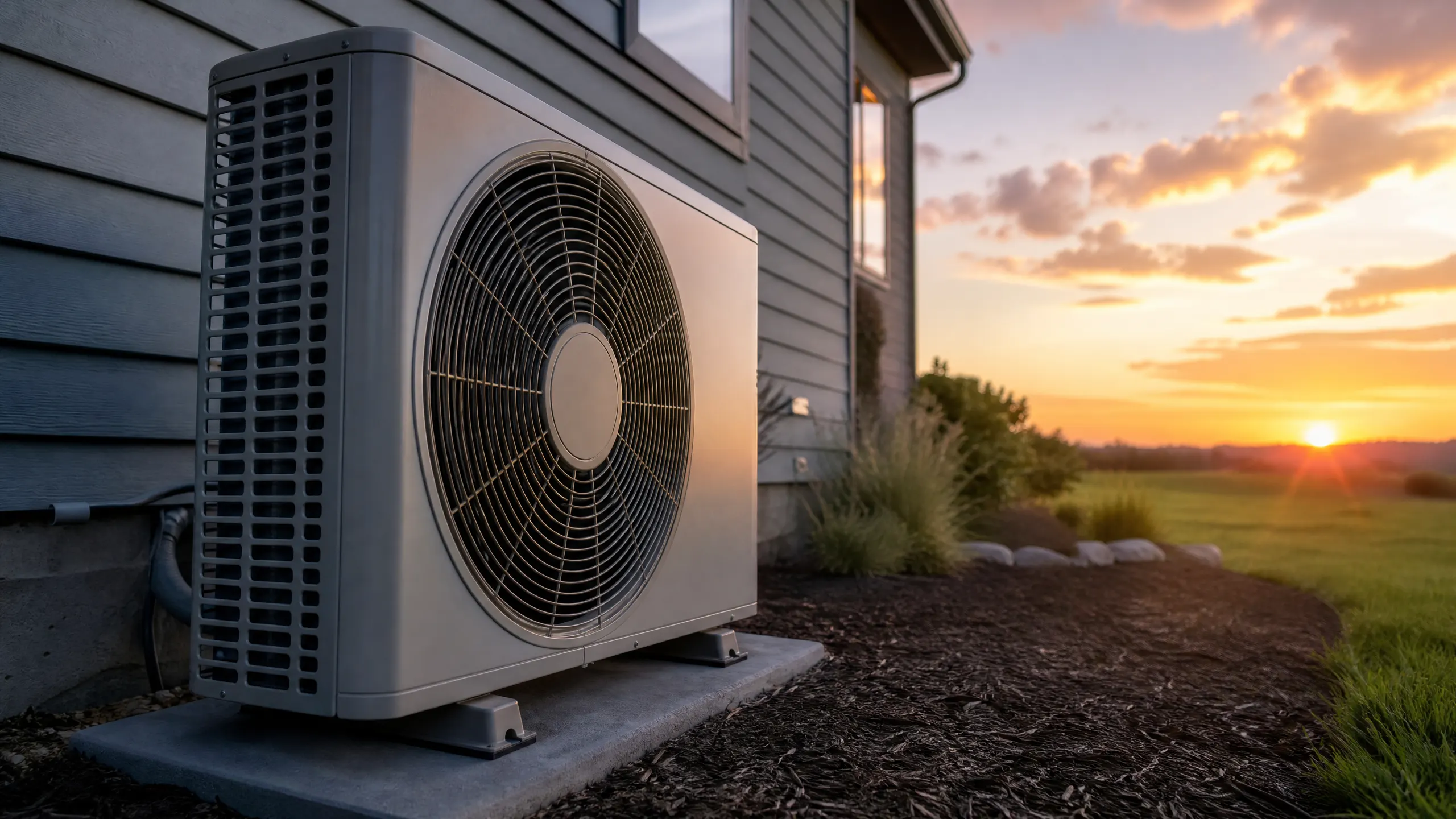






A grey residential air-conditioning condenser unit mounted on a concrete pad beside a house, photographed at sunset.

Heat Pump Repair in Owosso, MI

Tell us about the job

Takes about a minute. No obligation.

RepairHeat PumpShiawassee County, MI
Step 1 of 2

What ZIP code is the job in?

Shiawassee County saw 63 severe weather events between 2015 and 2024, and damaging wind was behind most of them. The county also had its share of hail and tornadoes in that stretch. A heat pump's outdoor unit sits right in the path of all that, with coils and a fan exposed to whatever the wind throws at it. It can take a hit like that and keep running, with a bent fin or a cracked blade quietly working against it. If your unit came through a storm with visible damage, or you can't remember anyone looking at it since, it's worth having it checked.

8 months
October through May, your system heats
3 months
June through August, it cools
19°F
the average winter night it heats against
80°F
the average summer afternoon it cools against
Isometric cutaway illustration of a single-story house showing interior rooms, attic ductwork and an air handler, with an outdoor condenser unit connected by lines along the exterior wall.
Your system heats October through May and cools June through August.

NOAA nClimDiv, 1991–2020 normals

Half the homes in Shiawassee County were built in 1969 or earlier.

A heat pump that came with a house that old is probably closer to the end of its life than the middle.

At 19.3 cents a kilowatthour, a heat pump running wrong is a bill you'll notice

Power costs 19.3 cents a kWh statewide
39 damaging wind events from 2015 to 2024
13 winter storms from 2015 to 2024
Winter here makes it work, but not that hardOvernight lows here average 19°F through December, January and February.

A heat pump that's short cycling, running constantly, or blowing air that's not quite warm enough is pulling power the whole time it does it. That cost shows up on the next bill, not months from now. If yours has been acting up since a storm, or you're not sure how old it is, a contractor can check it and tell you whether it's a quick fix or something bigger. Worth doing before another month of that bill rolls in.

After the next storm passes, have the outdoor unit looked at

If your outdoor unit came through a storm with hail or debris and nobody's looked at it since, get it checked now, before a bent fin or cracked blade turns into a bigger repair.

Find a contractor
A white mini-split heat pump outdoor unit mounted on a concrete pad beside a gray-sided house, surrounded by gravel and green shrubs.

A problem that runs long enough stops being small

A reversing valve that's starting to stick doesn't fail all at once. It leaks a little refrigerant past the seal each time it shifts, and the compressor keeps running against that loss, working harder to move the same heat. A capacitor losing strength still kicks the compressor on, just with a rougher jolt each time, and that jolt is what wears out the compressor's windings. Ice on the coil that isn't clearing blocks airflow, and the system answers by running longer to move the same air past it, which only holds more cold against the coil. None of these faults make the unit stop and wait. It keeps running, and the part underneath keeps wearing, until it's the compressor on the line instead of the valve or the capacitor that started it.

It won't switch over right

A heat pump that's stuck in one mode, blowing cold air when it should be heating or running warm when you need cooling, usually has a bad reversing valve. That valve is what flips the system between heating and cooling, and when it sticks, the unit keeps running but stops doing the job you need.
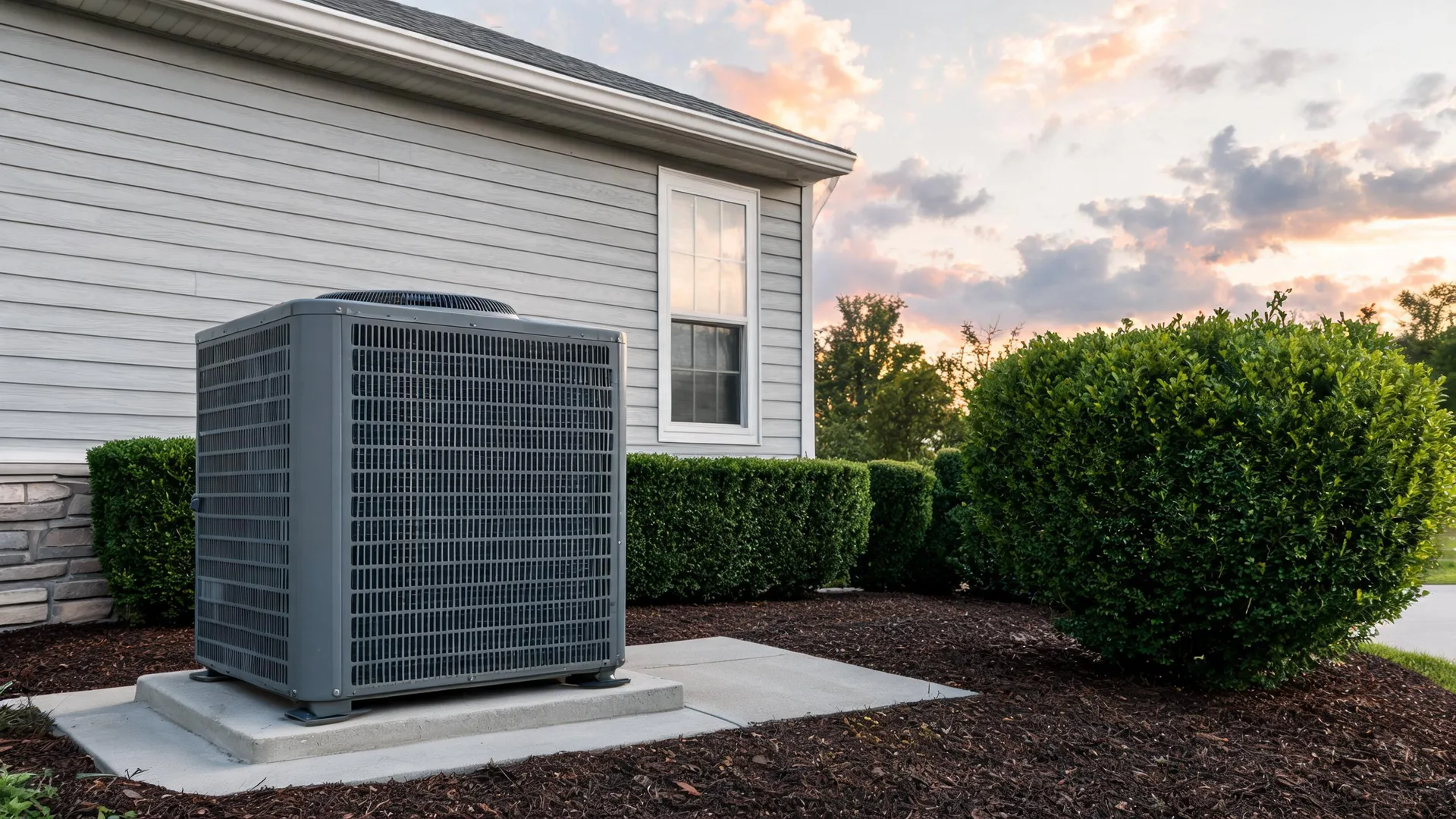
Ice building up on the outdoor unit

Some frost on the outdoor coil during a defrost cycle is normal. A heavy layer that doesn't clear, or ice that keeps coming back, points to a defrost control problem or a fan that's not pulling air the way it should. Left alone, that ice keeps the coil from doing its job at all.

Most heat pump failures trace back to a handful of parts. The capacitor that kicks the compressor and fan motors on wears out over years of starts and stops, and when it goes, the outdoor unit hums but won't start, or it starts and shuts right back off. Refrigerant leaks show up slowly, usually at a fitting or coil joint, and the unit keeps running while it does less and less heating or cooling. Contactors pit and stick from the arcing of normal daily cycling, and a stuck contactor can leave the outdoor unit running nonstop with no way to shut off. Sensors and control boards drift out of calibration or fail outright, and that alone can throw off defrost timing or stop the system from switching modes. None of these are tied to one bad part forever. They're wear parts, and sooner or later on any heat pump, one of them is due.

A diagnostic call starts outside at the unit, not with a guess. The contractor checks refrigerant pressure, voltage to the compressor and fan motors, and how the system responds when it's told to switch between heating and cooling. They'll pull the access panel and look at the capacitor and contactor, since those parts take the brunt of daily cycling and show wear before anything else does. Airflow gets checked too, both at the outdoor coil and at the vents inside, because a heat pump that's starved for air will throw off symptoms that look like something else entirely. Most of this gets diagnosed without guesswork. The readings either point to a failing part or they rule one out, and that's what tells the contractor whether you're looking at a repair or something more.