A two-story black-painted house with a covered front porch and gray shingled roof, framed by large deciduous trees and fronted by a mowed lawn and trimmed hedge.

Heat Pump Repair in Monroe, MI

Tell us about the job

Takes about a minute. No obligation.

RepairHeat PumpMonroe County, MI
Step 1 of 2

What ZIP code is the job in?

Monroe County sees real storm damage

Monroe County recorded 130 severe weather events between 2015 and 2024, including 95 cases of damaging wind, 17 hail events and 7 tornadoes. The outdoor unit sits outside through all of it, exposed to whatever comes through the yard.

A unit that still runs can still be hurt

Hail dents fins and bends them shut. Flying debris can nick the coil or knock the fan out of balance. A heat pump can keep running after any of that while losing efficiency or wearing down parts faster than it should.

8 months
October through May, your system heats
3 months
June through August, it cools
21°F
the average winter night it heats against
82°F
the average summer afternoon it cools against
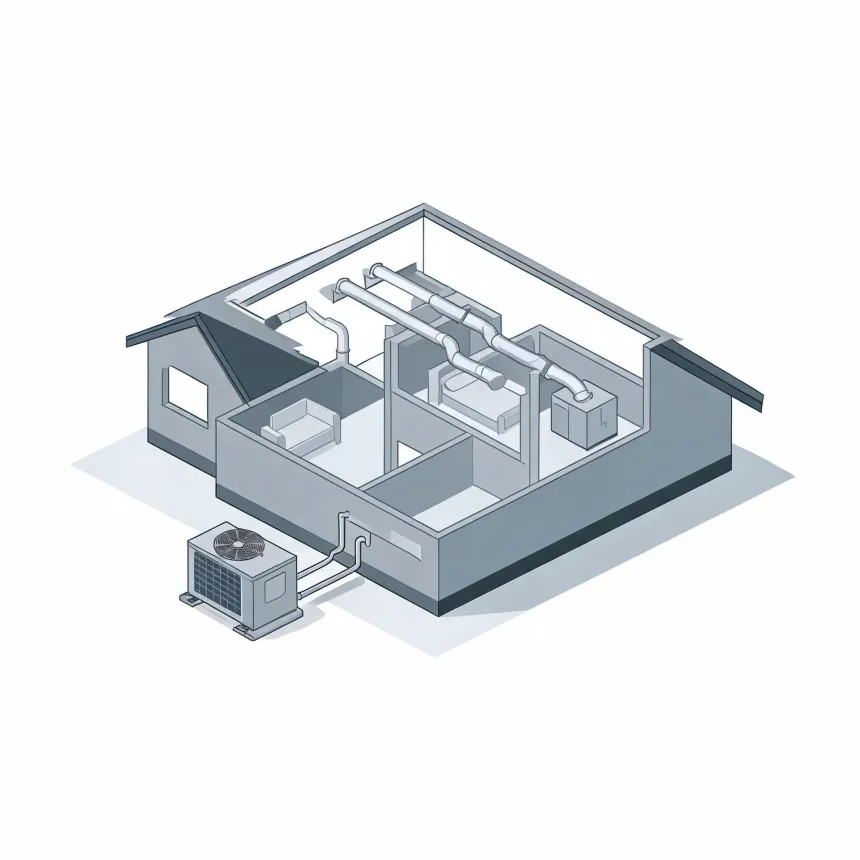
Isometric grayscale illustration of a cutaway house showing interior rooms, ceiling ductwork and an air handler, connected by lines to an outdoor condenser unit on a pad outside.
Your system heats October through May and cools June through August.

NOAA nClimDiv, 1991–2020 normals

Electricity in Monroe County runs 20.39 cents per kilowatt-hour, more than most of the country pays.

A heat pump struggling to heat or cool draws more power to do less, and that shows up on every bill until it's fixed.

Heat starts in October, cooling in June, with barely a month between to catch trouble early

Cooling runs June through August
Heat runs October through May
Climate zone 5A
A heat pump here works less than you'd thinkZone 5A means heating is the bigger job here, not cooling

A heat pump that's working harder than it should doesn't wait for a good time to show up on the bill. It shows up on the next one. If yours is short cycling, running constantly, or blowing air that's not quite warm or cool enough, that's the unit pulling extra power to make up the difference. Waiting a month to get it looked at is a month of paying for that difference. The fix usually isn't complicated once a contractor has eyes on it, but the cost of putting it off is real and it's already on the meter.

If the outdoor unit took a hit, get it looked at even if it still runs

A dented coil or an unbalanced fan does not always stop a heat pump. It just makes it work harder, and that's easy to miss until a bill or a cold room makes it obvious. After any storm, it's worth having a contractor check the outdoor unit before the next one rolls through.

Find a contractor
A man in a cap, dark long-sleeved shirt and brown work pants walks up porch steps toward a gray front door, carrying a worn canvas tool bag filled with hand tools.
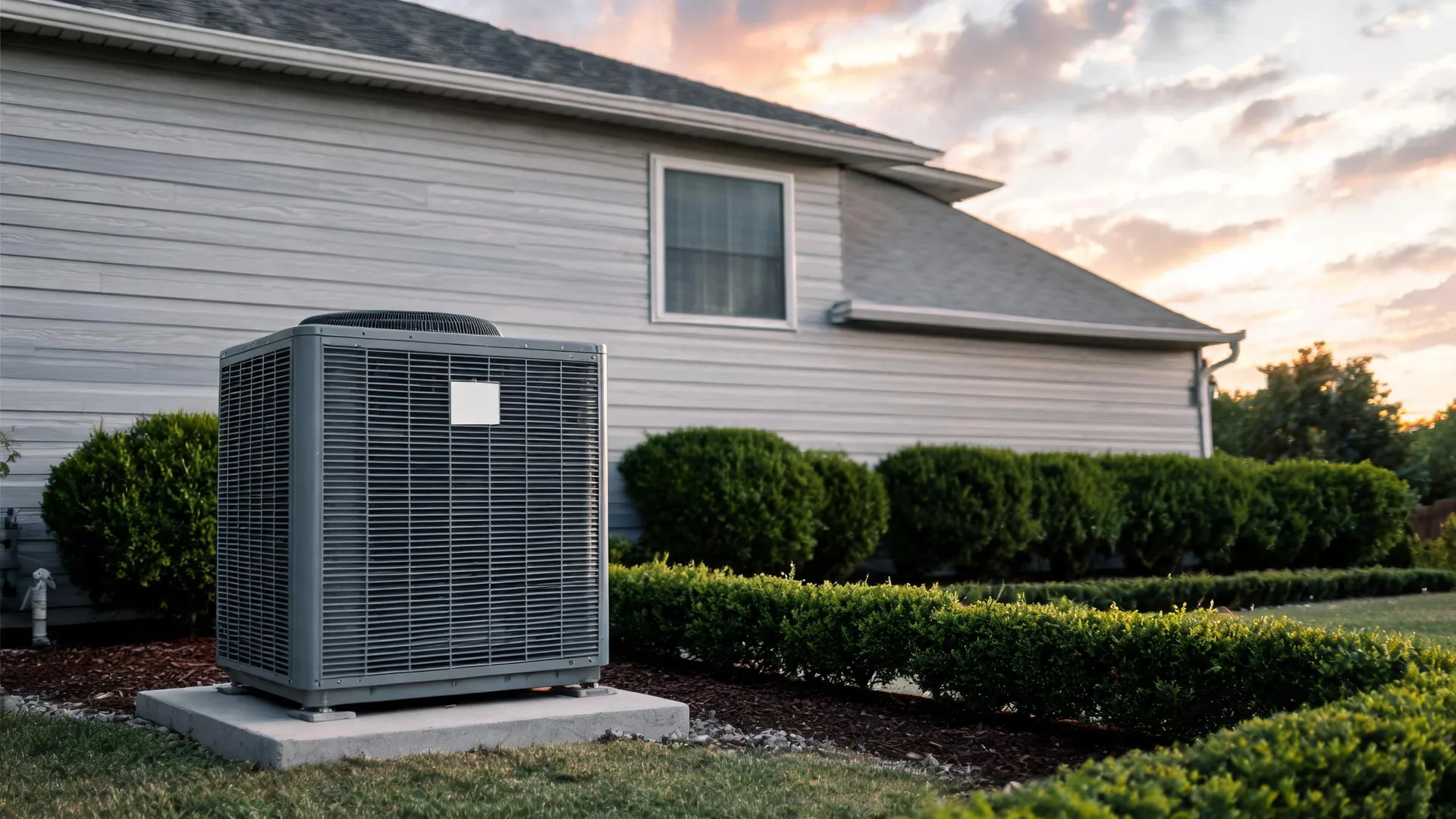
A gray heat pump condenser unit mounted on a concrete pad against the gray lap-siding exterior wall of a house.

Less strain most of the year means repair is usually the right call

That lighter load most of the year is a reason to get this repaired rather than replaced. A compressor that has not spent the year fighting a heavy cooling load is less likely to be worn out underneath whatever is wrong right now. Storm damage is the exception, not the rule. If the outdoor unit hasn't taken a hit from wind or hail, what's wrong with it is more likely age or a part that needs attention, and that's usually something a contractor can fix rather than a reason to start over.

Running on a bad part wears down the next one

A heat pump low on refrigerant makes the compressor work harder to move the same heat. Run it that way for weeks and the compressor runs hotter than it was built for, and that shortens its life. A failing capacitor makes the fan motor or compressor strain to start each cycle, and every hard start adds wear that a quick repair would have stopped.

Ice and water damage don't stay where they start

A heat pump that can't defrost properly builds frost on the outdoor coil until airflow chokes off. Keep running it and the compressor can end up flooding with liquid refrigerant it was never meant to handle. Indoors, a clogged condensate line backs up and overflows, and that water finds its way into the drywall or the floor below the air handler, not just the drain pan.

A heat pump usually tells you something is wrong before it quits outright. The air coming out of the vents feels wrong first, cooler than it should in heating mode or not quite cold enough in summer. It might run longer than it used to, or start and stop in short bursts instead of settling into a steady cycle. Listen for noises that weren't there before: a clank from the outdoor unit, a hiss, a buzz from the electrical box. Ice on the outdoor coil when it shouldn't be there, or a unit that never seems to defrost, both point to a problem worth calling in. None of these mean the system is done. They mean something specific is failing, and it's easier to fix now than after it takes the compressor down with it.

A diagnostic visit starts outside at the unit itself, not with guesses. A contractor checks refrigerant pressure first, since too little or too much tells them where to look next. They'll pull the access panel and test the capacitor and contactor, the parts most likely to fail and cheapest to rule out early. Airflow gets checked on both sides, indoor coil and outdoor coil, because a heat pump that can't move air can't do its job no matter what else is right. They'll run it in both modes if the weather allows, since a fault that only shows up in heating or only in cooling won't show up otherwise. By the end they can usually point to the one part causing the symptom, not just the symptom itself.