
Heat pump vs furnace in Monroe County, Michigan

Get a Local Quote

Pros who install both

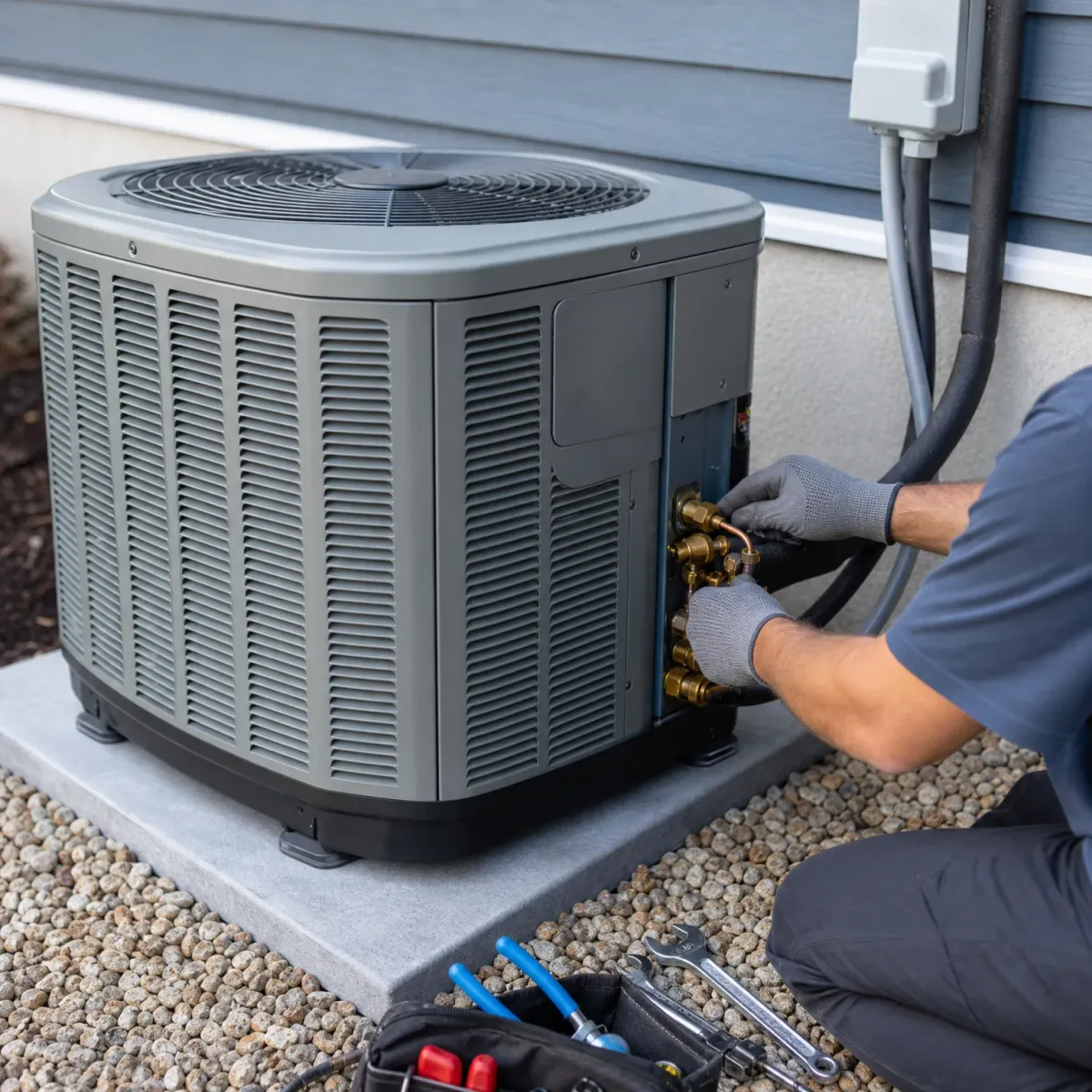
A person in gloves kneels beside a gray outdoor air conditioning condenser on a concrete pad, working on brass refrigerant line valves, with a wrench and tool bag on the gravel in the foreground.

Tell us about the job

Takes about a minute. No obligation.

New system or replacementMonroe County, MI
Step 1 of 3

What kind of equipment?

Which costs less to run in Monroe County?

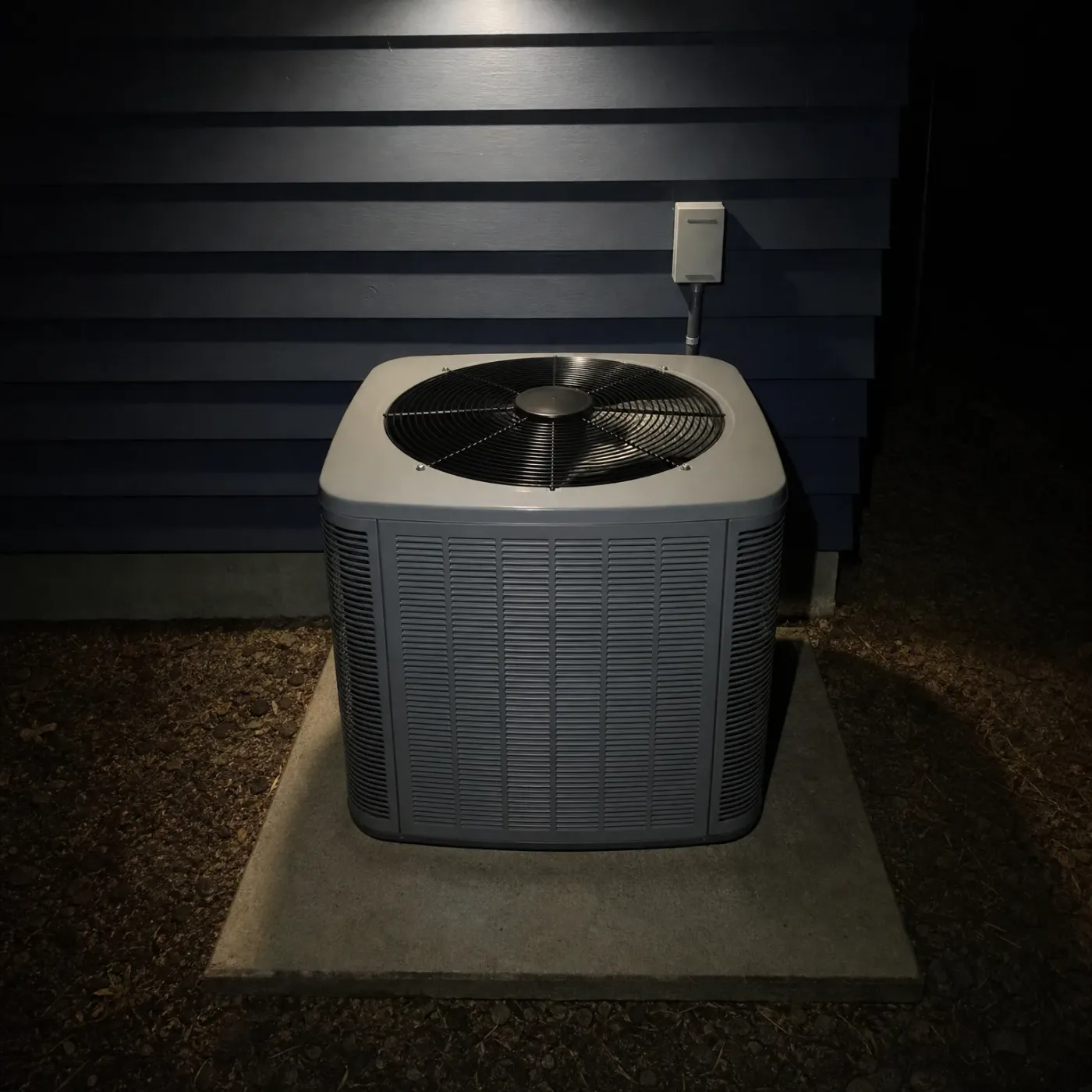
A gray outdoor condenser unit with a top-mounted fan grille sits on a concrete pad beside a dark blue horizontal-lap sided wall at night, with a small electrical disconnect box on the wall above it.

Heat pump

To heat your home here$2.57per 100,000 Btu

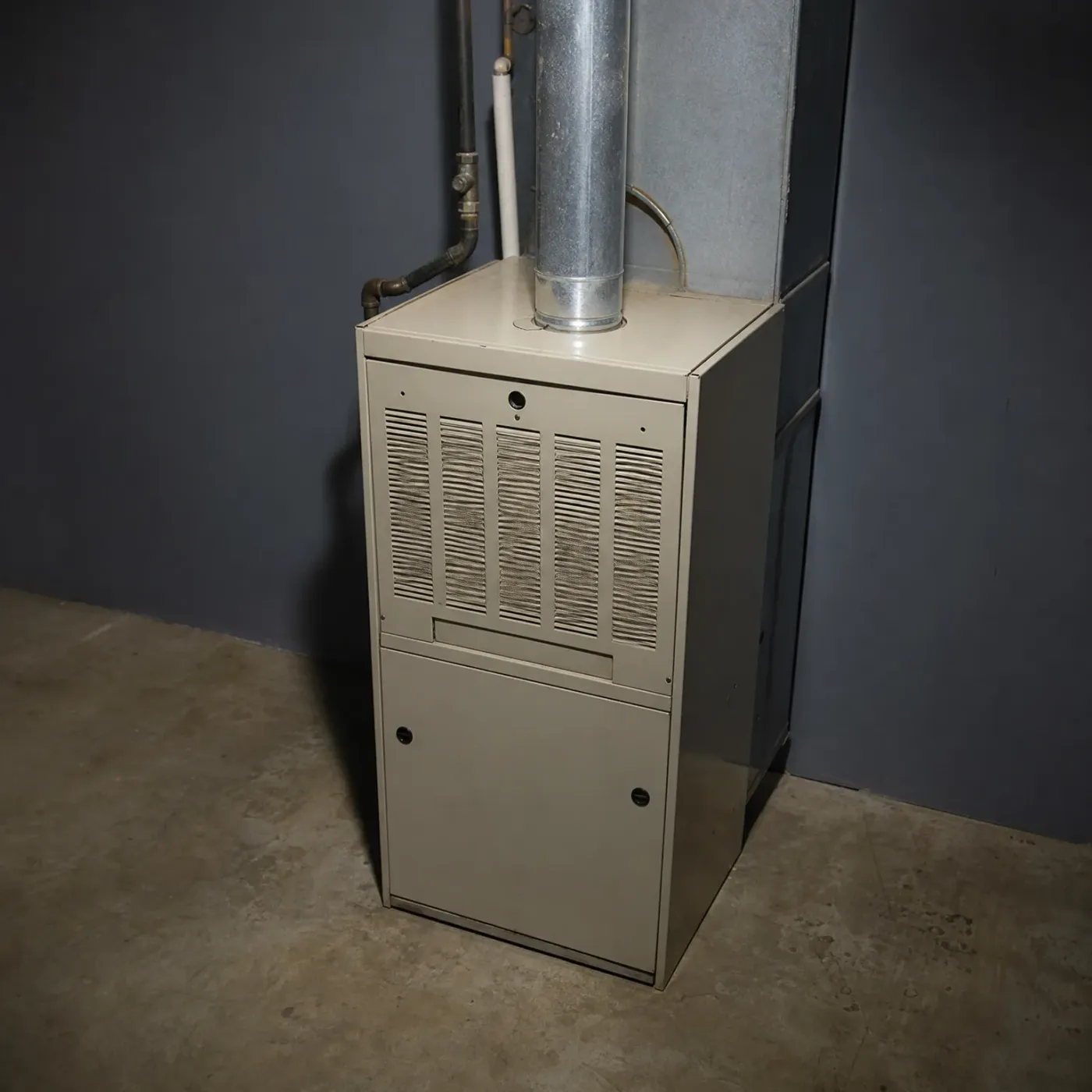
A beige sheet-metal furnace with louvered upper panel stands against a dark gray wall on a concrete floor, with a metal flue pipe and piping rising from its top.

Furnace

To heat your home here$1.28per 100,000 Btu

At Michigan's gas and electricity prices, a gas furnace makes the same heat as a heat pump for at least 50% less.

Btu stands for British thermal unit, the standard measure of heat energy.

Where does a heat pump shine?

  • Steady, even comfort

    It eases up and down with the weather. There are fewer swings between too warm and too cool.

    A dimly lit living room with a gray armchair holding an open book and a throw blanket, a lit table lamp, a stone fireplace with a fire burning, built-in navy shelving, and a golden retriever sleeping on a patterned rug.
  • Heats and cools in one system

    One machine handles the heat in winter and the cooling in summer. There's no second system to buy or keep up.

    A living room with a cream sofa and grey throw beneath a blue-framed window overlooking a green garden, with a wooden coffee table holding books, a bowl and a vase of greenery in the foreground and blue built-in shelving at right.
  • No gas line, nothing burning in the house

    It moves heat instead of making it from fire. That means no combustion, no flue and no gas bill for heat.

    Kitchen with blue-grey shaker cabinets, a grey speckled stone island holding a stainless kettle on a black induction cooktop, a bowl of green apples, glass pendant lights, a stainless refrigerator, and a seating area visible through a doorway.

Where does a furnace shine?

  • Runs on the gas most homes here already use

    Most houses in Monroe County already have a gas line run for the furnace, so a new one just hooks into what's there. No new fuel source to add, no new infrastructure to plan around.

    A row of brick houses with covered porches and pale blue-grey painted steps and railings along a snow-covered residential street, with bare trees and a cleared sidewalk at left.
  • Pairs with any central AC

    A furnace's blower and ducts carry cooled air too. Adding central AC uses the same system.

    A sunlit room corner with wood flooring, a floor air vent, a woven area rug, a potted plant in a wicker basket, sheer white curtains at a window, a blue door, and a wooden chair draped with a gray blanket.
  • Proven, simple, easy to get serviced

    The design is simple and well understood. That keeps service calls short.

    A gloved hand holds a white pleated air filter in front of a basement furnace, with shelving holding bins, towels and a potted plant at left.

What winter here does to a heat pump

Your winter low here averages 21°F, and the heat runs eight months a year, October through May. That matters because a standard heat pump starts falling short of its rated output below 40°F, and often needs backup heat below about 35°F. Both marks sit above your average winter night, not below it.

About 130 nights a year here drop to freezing or below, over half the nights in heating season. On every one of those nights, a standard heat pump is working below both the 40°F and 35°F marks. That is not a cold snap a few times a winter. That is most of the season.

The nights that reach 0°F or below are rare here, about 6 a year. A cold climate heat pump, the kind certified to still make 1.75 units of heat per unit of electricity at 5°F, is built for those nights. Field testing on prototype cold climate units found backup heat covered only a small share of the output between 0°F and 35°F, and running on backup alone was rare even above 0°F. So the coldest nights are not where a heat pump struggles most. It is the ordinary freezing nights, the 130 of them, where output falls short of the rating and a furnace does not have that problem at all.
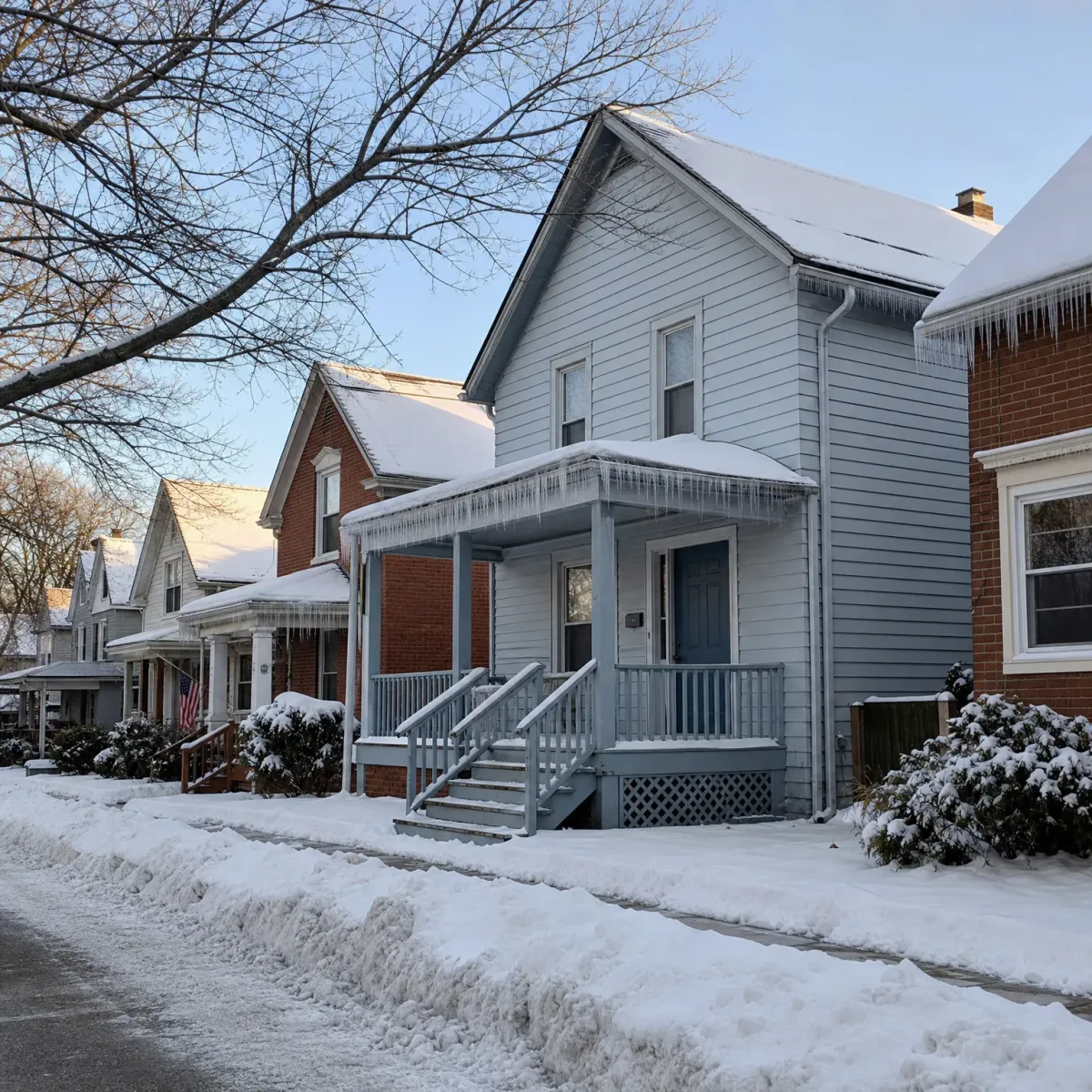
A row of two-story houses with snow-covered roofs and icicles hanging from porch eaves, with plowed snow banked along the street and sidewalk under a clear sky.

What that means for your bill, and for summer

Run the numbers at Michigan's own fuel prices and a furnace costs less to make the same heat: $1.28 per 100,000 Btu against $2.57 for a heat pump. That is before counting backup heat on the cold nights above, which would add to the heat pump's number, not the furnace's. For a house that heats eight months a year, that gap runs the whole season.

A furnace only heats. For the three months your house runs cooling, June through August, with afternoons averaging 82°F, a furnace does nothing and you need a separate air conditioner alongside it. A heat pump does both jobs with one system, which is worth something even where it costs more to run through winter.

Four out of five homes in Monroe County already heat with gas, against about one in ten on electric heat. That is not an argument about which machine works. It reflects what most homes here are already set up for, gas lines run and furnaces familiar to anyone who services them locally. A heat pump is still the right call for a house that wants one system for heat and air both, and does not mind the higher running cost or the backup heat it will lean on through a Monroe County winter. For a house that already has gas and wants the cheaper machine to run all season, that is the furnace.

Sources: NOAA nClimDiv · NOAA 1991–2020 seasonal normals · PNNL Building America guide · PNNL-37127 field study · ENERGY STAR product criteria · EIA SEDS 2024 · 10 CFR 430.32 · Census ACS 2020–2024

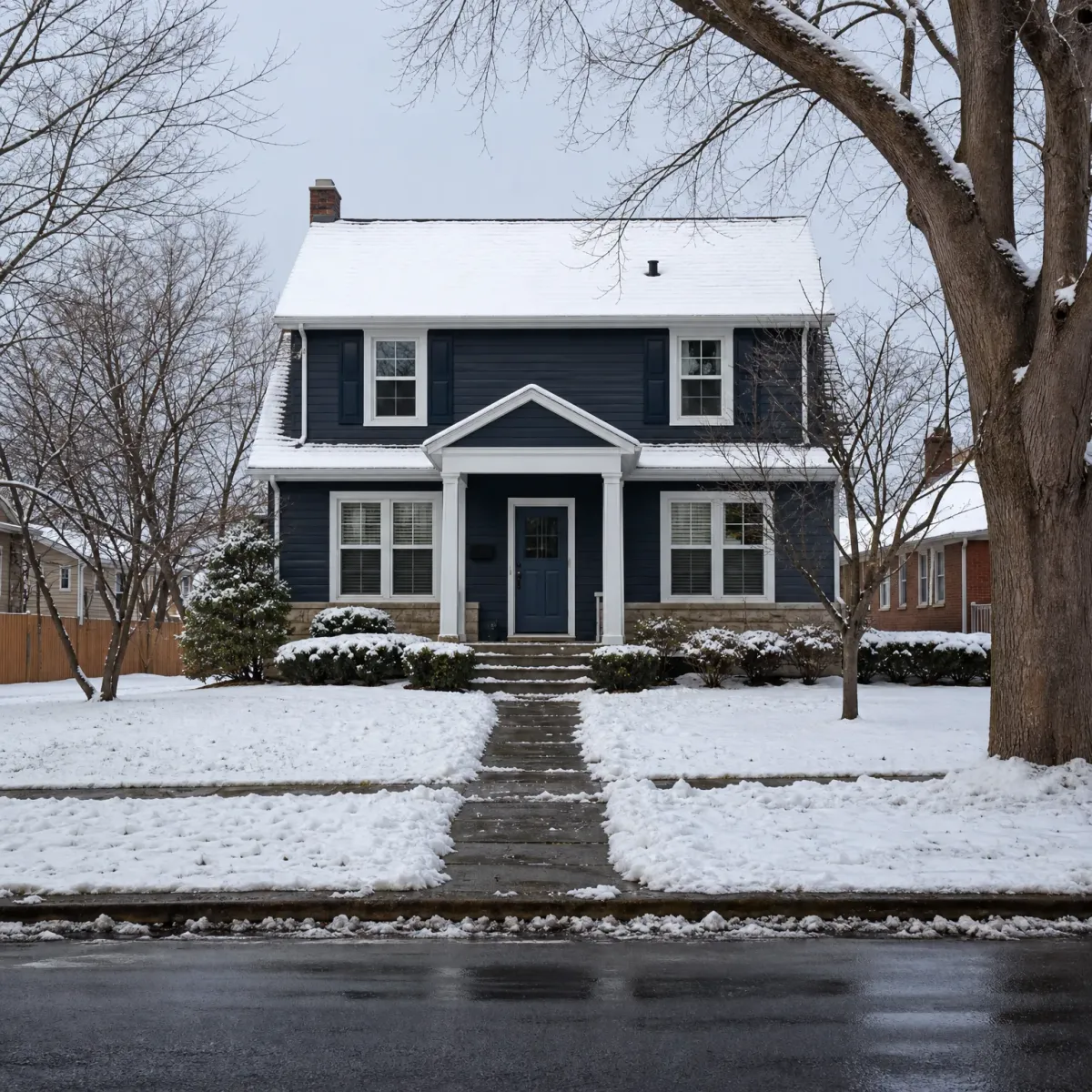
A two-story dark navy house with white trim, a small gabled front porch, and a snow-covered roof, fronted by a shoveled walkway and steps crossing a snowy lawn, with bare trees and a wet street in the foreground.

Common questions about heat pumps and furnaces

  • Can a heat pump heat a house through a Michigan winter?

    A standard heat pump loses capacity as it gets colder, and Monroe County sees about 130 nights a year at or below freezing. A heat pump built to carry the ENERGY STAR Cold Climate label is tested to keep at least 70 percent of its capacity at 5°F, so the type of heat pump matters more here than in a milder climate. Either way, backup heat covers the nights a standard heat pump can't keep up on its own.

  • Do I need backup heat with a heat pump here?

    Most likely, yes. A standard heat pump's output falls short of its rating below 40°F and it often needs backup heat below about 35°F. The average overnight low here is 21°F, so most winter nights fall under both marks.

  • Can I keep my furnace and add a heat pump?

    Yes, and here that pairing is called a dual fuel system. The heat pump handles the milder nights, and the furnace takes over once it gets cold enough that the heat pump needs help. With about 130 nights a year at or below freezing, the furnace would still have real work to do.

  • Is a heat pump cheaper to run than a furnace in Monroe County?

    No, a furnace costs less to run here. Burning natural gas comes to $1.28 per 100,000 Btu of heat against $2.57 for a heat pump at Michigan's average prices, so the furnace runs at roughly half the cost.