
Heat pump vs furnace in Kalamazoo County, Michigan

Find a Pro Near You

Get a price before you decide

A man in a blue shirt, dark pants and cap reaches up toward sheet-metal ductwork above a gray furnace in a basement, with PVC piping alongside and an open tool bag on the floor.

Tell us about the job

Takes about a minute. No obligation.

New system or replacementKalamazoo County, MI
Step 1 of 3

What kind of equipment?

Which costs less to run in Kalamazoo County?

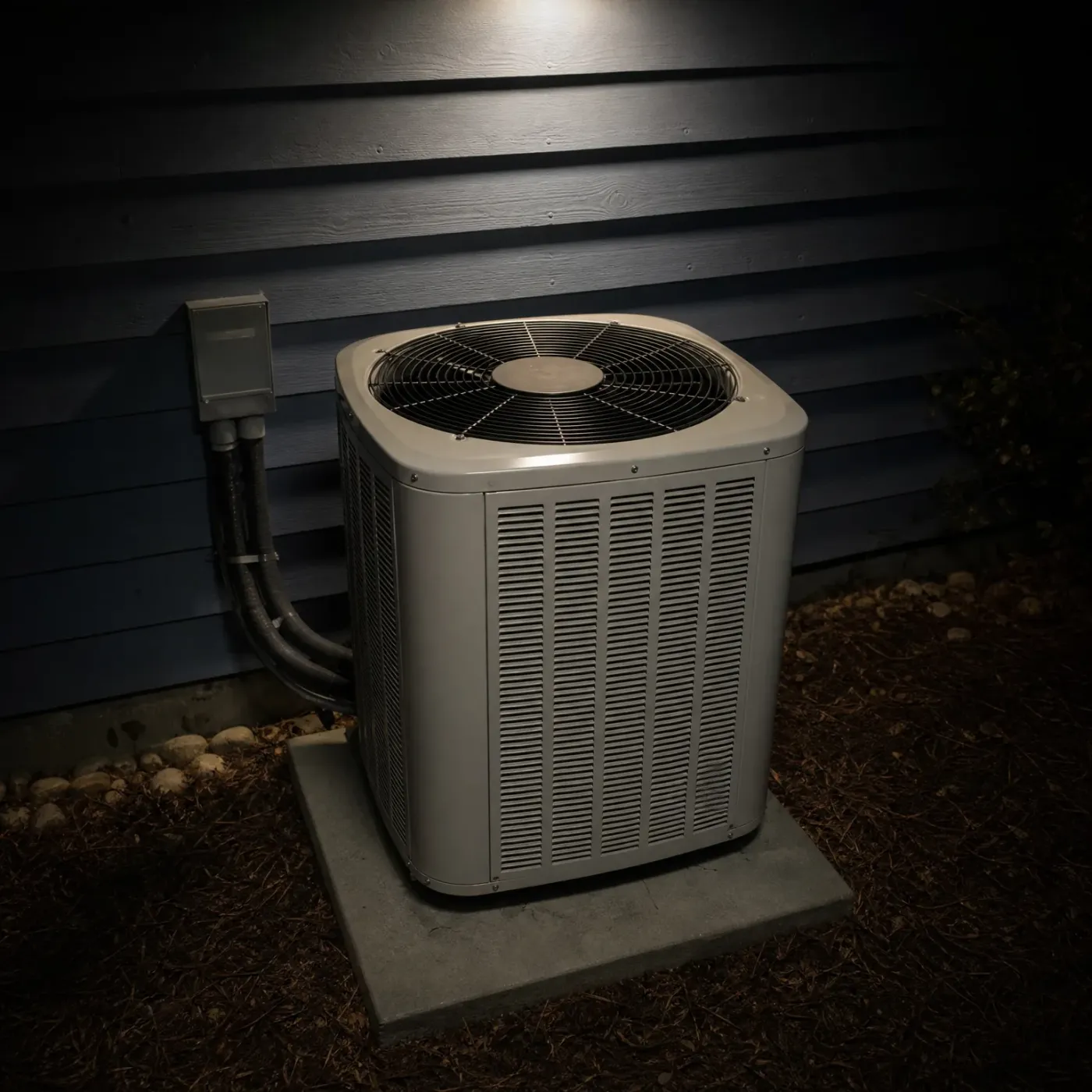
An outdoor air conditioner condenser unit on a concrete pad beside a dark horizontal-lap sided wall at night, with insulated refrigerant lines running to a wall-mounted disconnect box and mulch and stones on the ground.

Heat pump

To heat your home here$2.57per 100,000 Btu

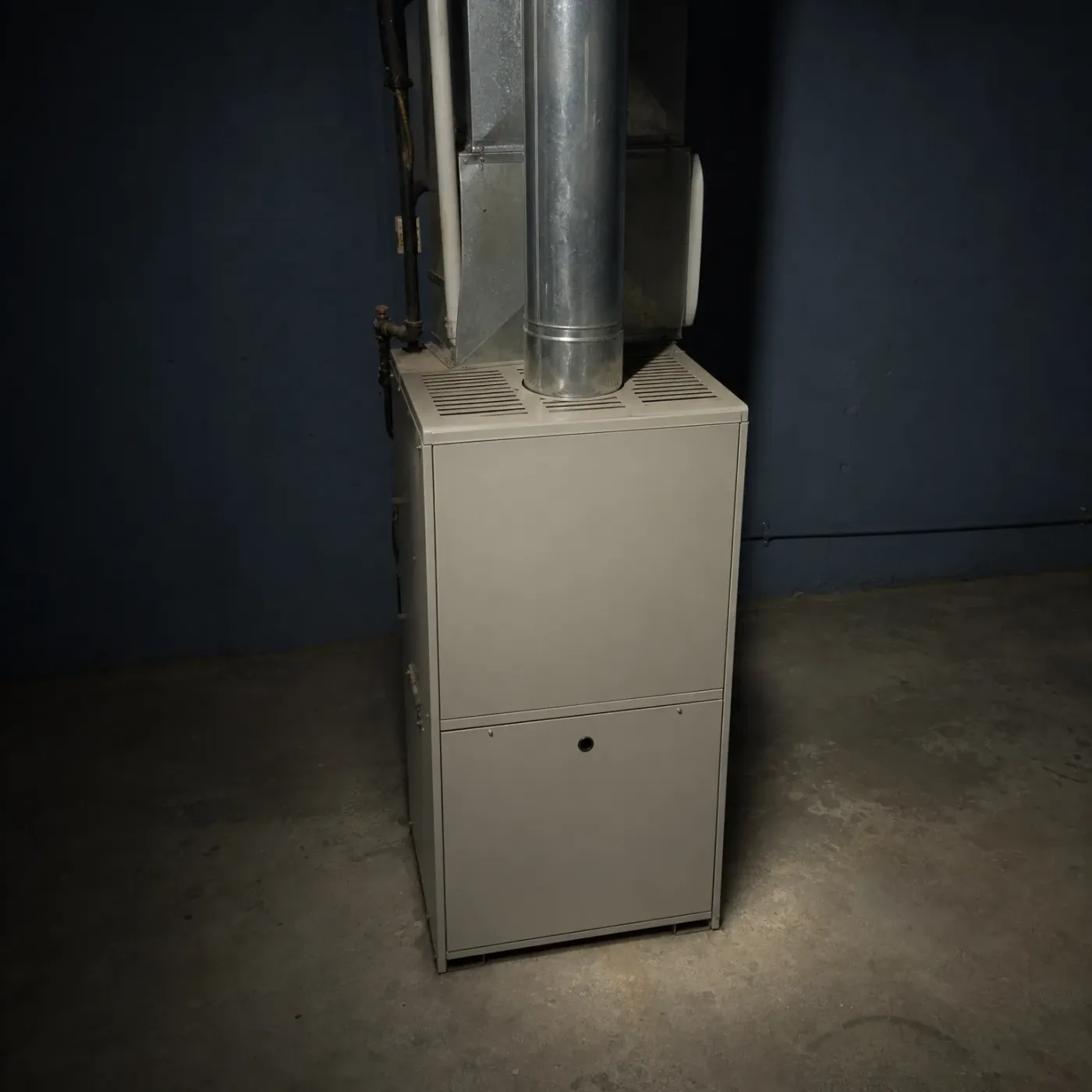
A beige sheet-metal furnace standing on a concrete floor against a dark blue wall, with a metal flue pipe and ductwork rising from its top.

Furnace

To heat your home here$1.28per 100,000 Btu

At Michigan's gas and electricity prices, a gas furnace makes the same heat as a heat pump for at least 50% less.

Btu stands for British thermal unit, the standard measure of heat energy.

Where does a heat pump shine?

  • Steady, even comfort

    Instead of short bursts of heat, it keeps a gentle, steady output going. The house stays at one comfortable temperature.

    A golden-colored dog sleeps curled on a patterned rug beside a blue armchair with a gray throw, an open book, a lit table lamp and a mug on a side table, with snow visible through a window at night.
  • Heats and cools in one system

    Winter and summer are covered by the same outdoor unit. That's one machine to service instead of two.

    A living room with a grey three-seat sofa with navy and beige cushions and a dark throw, set before a large multi-pane window looking onto green trees, with a rustic wood coffee table holding plants, bowls and books on a woven rug, a grey panelled door at left and an exposed wooden beam above.
  • No gas line, nothing burning in the house

    There's no gas line to the unit and no flame anywhere in it. Carbon monoxide isn't part of the picture.

    A stainless steel whistling kettle sits on a black induction cooktop set into a grey stone countertop with navy cabinets, a pale mug, a bowl of lemons and a basil plant nearby, and a built-in oven in the background.

Where does a furnace shine?

  • Strong, steady heat in hard cold

    Winter nights here average 19°F, and a furnace is built to put out hot air and keep putting it out no matter how cold it gets outside. You won't notice it working harder on the coldest night of the year.

    A two-story blue shingled house with white trim, dormer windows and a brick chimney, its windows glowing warm yellow at dusk, surrounded by deep snow with a shoveled path leading to the front steps and snow-covered shrubs and evergreens on either side.
  • Runs on the gas most homes here already use

    Most homes in Kalamazoo County already heat with gas. If yours is one of them, a furnace just hooks into the line that's already run to the house.

    A row of attached two-story houses with porches, railings and front steps along a snow-patched sidewalk, with a bare tree and a distant person walking in a dark coat.
  • Proven, simple, easy to get serviced

    The design is simple and well understood. That keeps service calls short.

    A gloved hand holds a white pleated air filter in front of a furnace in a basement or garage with shelving and storage bins in the background.

What the cold actually does here

Winter here is long and it bites. Heat runs eight months a year, October through May, and the overnight low averages 19°F across December, January and February. More than half the nights in that stretch, about 130 a year, drop to freezing or below.

A standard heat pump starts losing ground before it gets that cold. Below 40°F it puts out less heat than its rating says. Below about 35°F it usually needs backup heat to keep up. The average winter night here is 19°F. Every single one of those 130 freezing nights falls below both marks, not just a few of them.

That does not mean a heat pump quits. Cold climate models are built and tested for exactly this. To earn the ENERGY STAR Cold Climate label, a heat pump has to keep making real heat at 5°F, at least 1.75 units of heat per unit of electricity, and hold onto 70 percent of its warm-weather capacity at that temperature. Field testing on prototypes backs this up: backup heat covered only a small share of the load between 0°F and 35°F, and the unit ran on backup alone only rarely, even above 0°F. The nights that reach 0°F here number about five a year. That is the part of the cold a plain heat pump struggles with most, and it is the smallest part of the problem.

So the real question for a heat pump in this county is not whether it can handle a Kalamazoo winter. It is whether the one going into this house is built for it, or built to the federal minimum.
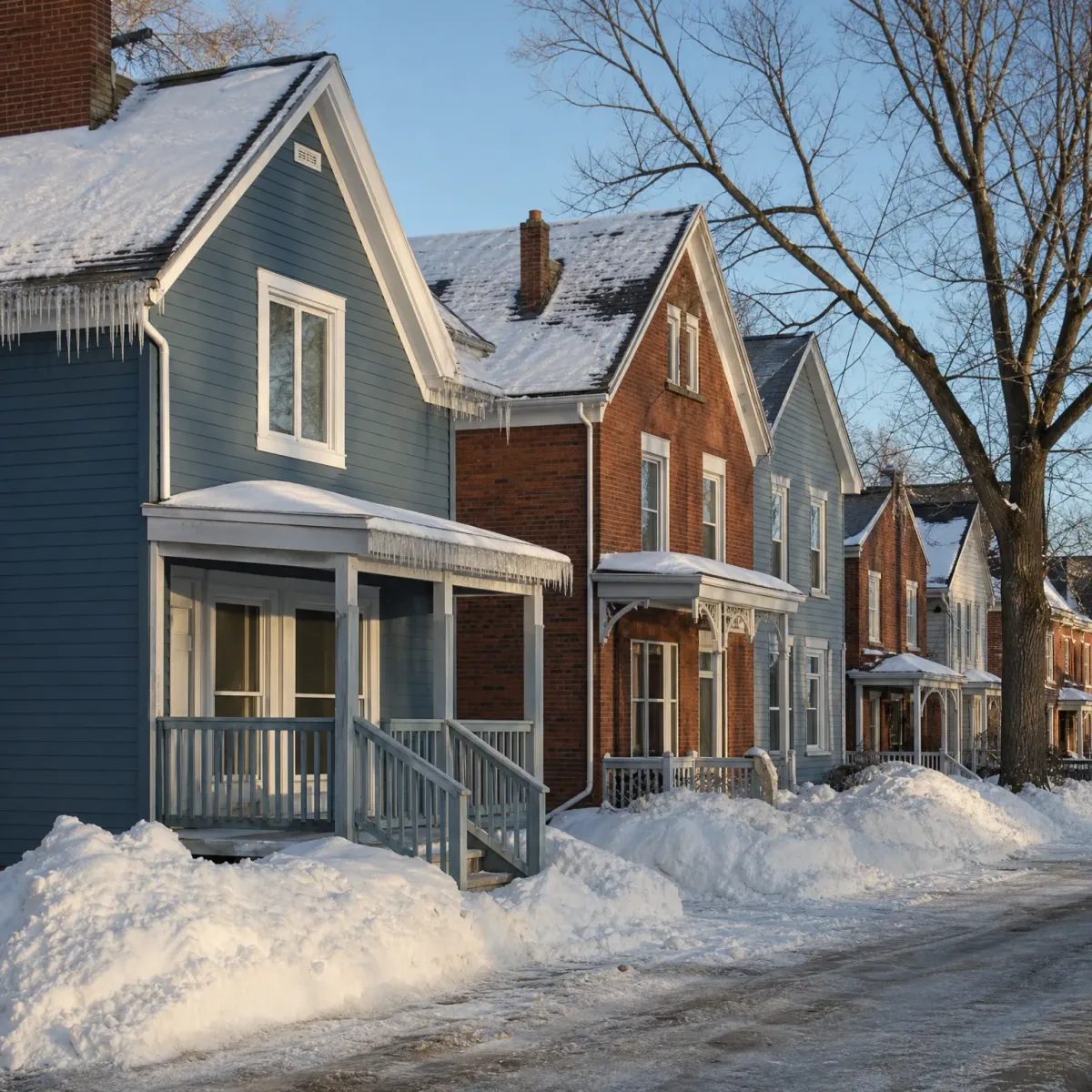
A row of two-storey houses with blue wood siding and red brick facades along a snow-banked street, with icicles hanging from porch roofs and bare trees against a clear sky.

What it costs to run, and what each one leaves out

Run the numbers at Michigan's own prices and the furnace wins on cost. A furnace built to the federal minimum makes 100,000 Btu of heat for $1.28. A heat pump built to that same minimum makes the same heat for $2.57, more than double. That gap is why nearly three in four homes in this county already heat with gas, and why heat pumps, at 19 percent, are the minority choice.

A furnace only does one job. It heats the house for the eight months it is needed and sits idle the other four, including the three months of summer when the afternoon high here averages 81°F and the house needs cooling instead. A heat pump runs both ends of that, heat in the winter and air conditioning in the summer, out of the same equipment.

That changes what the comparison is actually measuring. $1.28 against $2.57 is the cost of heat alone. It says nothing about the cooling a furnace cannot give you, and nothing about a second system, the air conditioner, that a furnace household has to run and maintain alongside it. Weigh the running cost of heat against that, not against itself.

Sources: NOAA nClimDiv · NOAA 1991–2020 seasonal normals · Census ACS 2020–2024 · PNNL Building America guide · PNNL-37127 field study · ENERGY STAR product criteria · EIA SEDS 2024 · 10 CFR 430.32

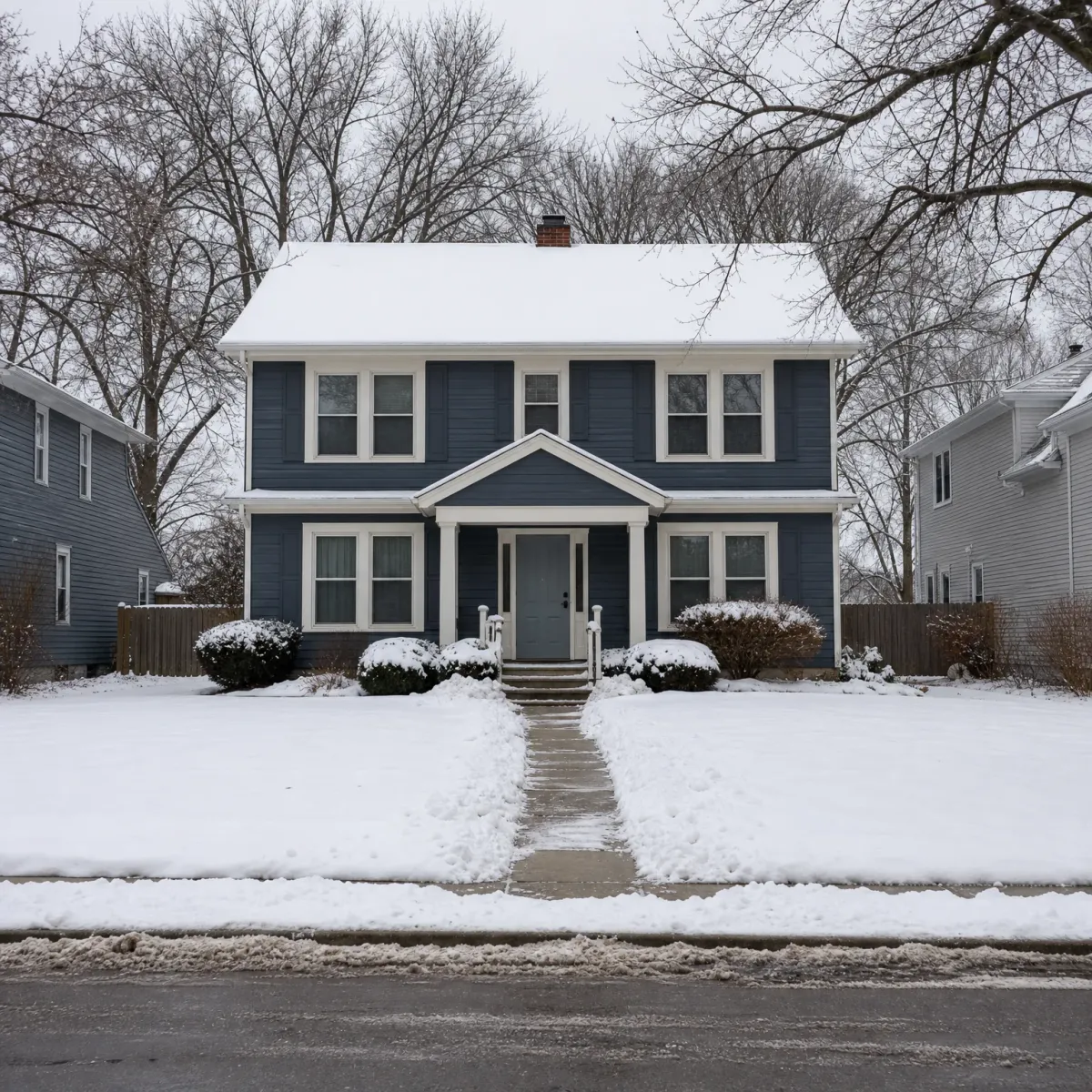
A two-story dark blue house with white trim and a snow-covered roof, fronted by a snowy lawn and a cleared walkway leading to the front steps, with bare trees and neighboring houses on either side.

Common questions about heat pumps and furnaces

  • Can a heat pump heat a house through a Michigan winter?

    It can, but what kind matters. A standard heat pump puts out less than its rated heat below 40°F and often needs backup below about 35°F, and this county sees lows like that most of the winter. A cold-climate model is built to hold its output much further down, to 5°F, which covers all but about 5 nights a year here.

  • Do I need backup heat with a heat pump here?

    Most likely, yes. A standard heat pump's efficiency drops once it's below about 35°F outside, and the overnight low here averages 19°F across December, January and February, with about 130 nights a year at or below freezing. That's most of the heating season running colder than where a standard heat pump starts to struggle.

  • Can I keep my furnace and add a heat pump?

    Yes, and here that often makes sense. The furnace carries the house on the cold nights, and the heat pump takes over the rest of the time, including cooling through June, July and August. The two share the job instead of one machine trying to do all of it.

  • Is a heat pump cheaper to run than a furnace in Kalamazoo County?

    No, a gas furnace costs less to run here. A furnace makes the same heat for $1.28 per 100,000 Btu against $2.57 for a heat pump, both at Michigan's average fuel prices. That's gas at $10.21 per million Btu against electricity at $56.56, and the gap holds even before backup heat is added in on the coldest nights.