
Heat pump vs propane heat in Kalkaska, MI

New system or replacementFurnace or heatingKalkaska County, MI
Step 1 of 2

What ZIP code is the job in?

In Kalkaska, propane still beats a heat pump on the coldest nights. A heat pump pulls heat out of outside air, and once that air drops into the teens or lower, it has to work harder for less heat, and below a certain point it can't keep the house warm on its own. Propane furnaces don't have that problem. They burn fuel for heat, so they put out the same warmth whether it's 20 degrees outside or 20 below. That's why most homes in this area heat with propane rather than a heat pump alone. Some homeowners pair the two: a heat pump for the milder stretches of fall and spring, propane for the deep cold, so the furnace only has to carry the hardest part of winter. Whether that makes sense for your house depends on your current furnace, your ductwork, and what it would take to add a second system alongside it.

A gray gas furnace stands on a concrete basement floor, connected to sheet-metal ductwork, white PVC vent pipes, and a yellow gas line, with plastic sheeting covering the walls.

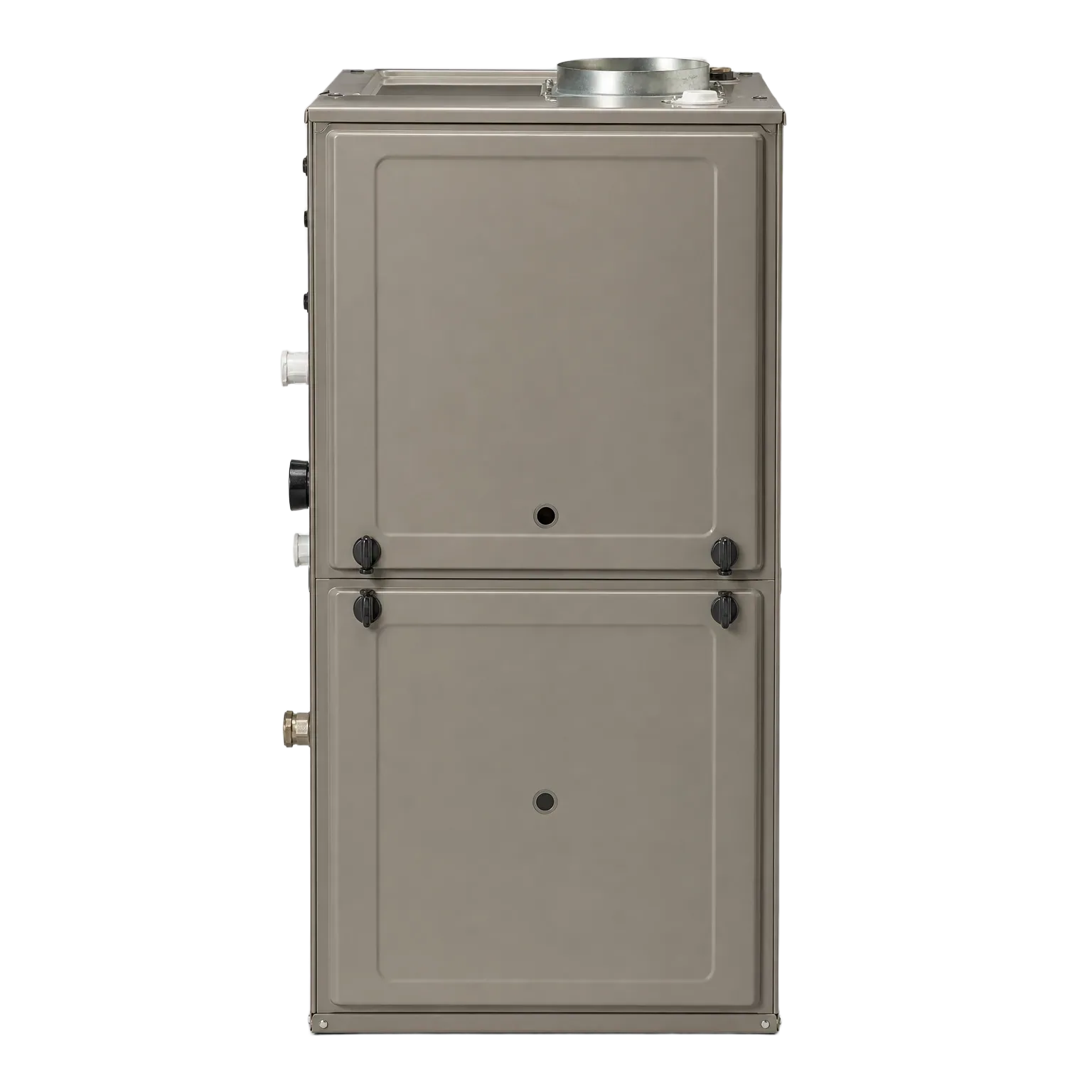
New propane furnace

A propane furnace like this one burns fuel directly to make heat, so it keeps putting out the same heat no matter how far the temperature drops outside. On a night in the single digits or below zero, it runs the same as it would at 30 degrees. That steady output is why most homes in Kalkaska County heat with propane.

A metal furnace with louvered panels stands against a concrete basement wall, connected to sheet-metal ductwork and a round flue pipe, with wooden framing posts and a pipe nearby.

Older furnace, heat pump question

A furnace this age is worth a second look before you decide what replaces it. A heat pump can still handle the shoulder months here, but Kalkaska winters push well below where a heat pump can carry the load alone, so most homes pair one with propane backup rather than drop propane altogether.

Is your heating even keeping up anymore?

If your furnace runs almost nonstop once it gets cold and the house still feels a few degrees short of comfortable, that's worth paying attention to. Rooms farthest from the furnace staying noticeably cooler, the propane tank needing refills more often than it used to, or a heat pump's outdoor unit icing over and not shedding that ice on its own are all signs the system is struggling against a Kalkaska winter rather than handling it. A furnace that short-cycles, turning on and off in quick bursts instead of running a steady stretch, is working harder than it should. Left alone through a full winter here, that strain tends to show up as a higher propane bill, a system that wears out before its time, or a furnace that fails on the night you need it most.

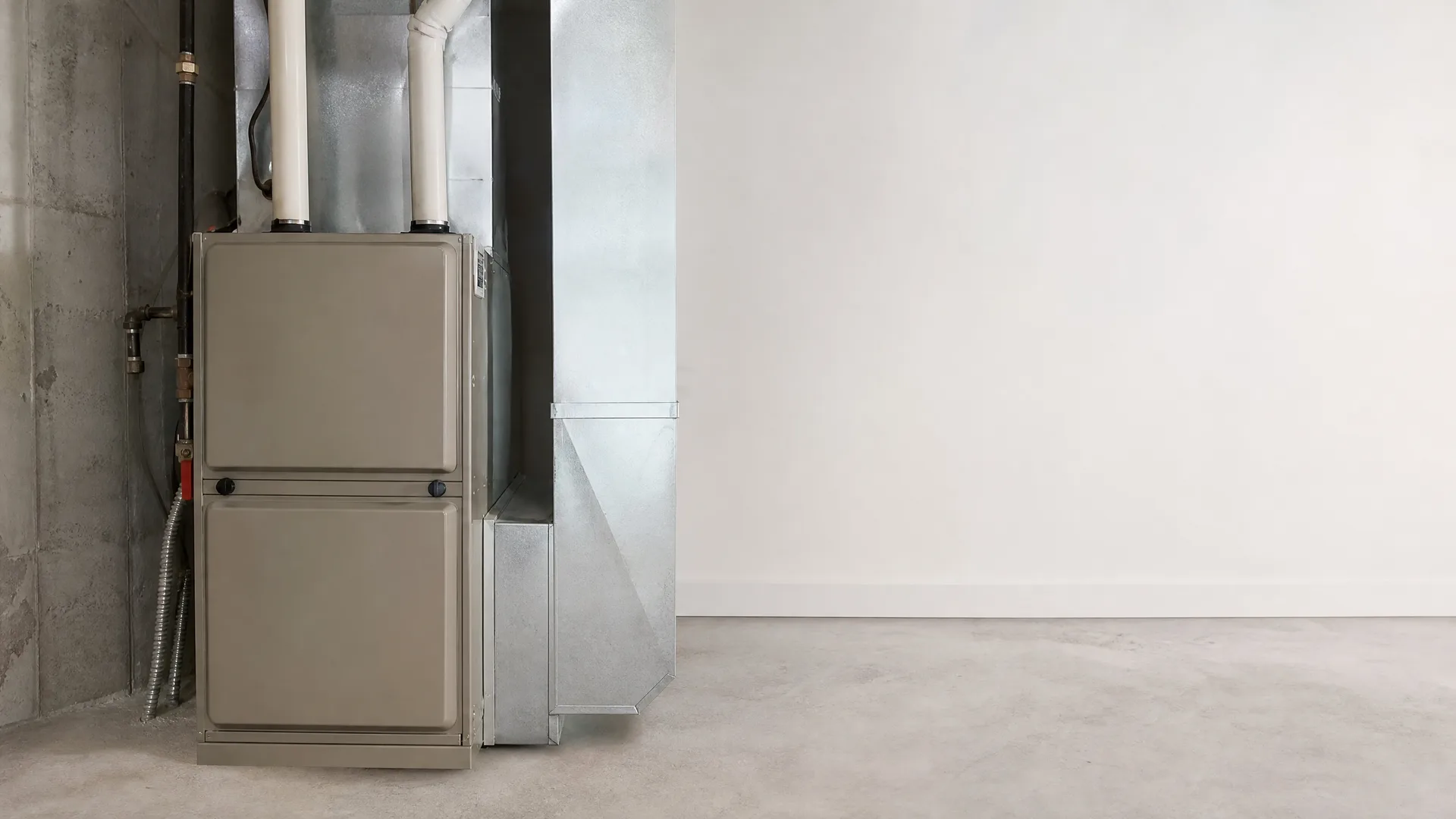
A beige high-efficiency furnace with two white PVC pipes stands beside sheet-metal ductwork and a concrete wall in an empty basement with a bare light-colored wall and concrete floor.

Why propane holds its output

Propane burns at a fixed heat value no matter what the thermostat is set to or how cold it is outside. A furnace sized right for your house delivers the same heat on a zero degree night as it does at 20 above. The flame doesn't lose strength in the cold. That's why most homes in Kalkaska County are built around propane. It's the fuel that doesn't flinch when the temperature does.

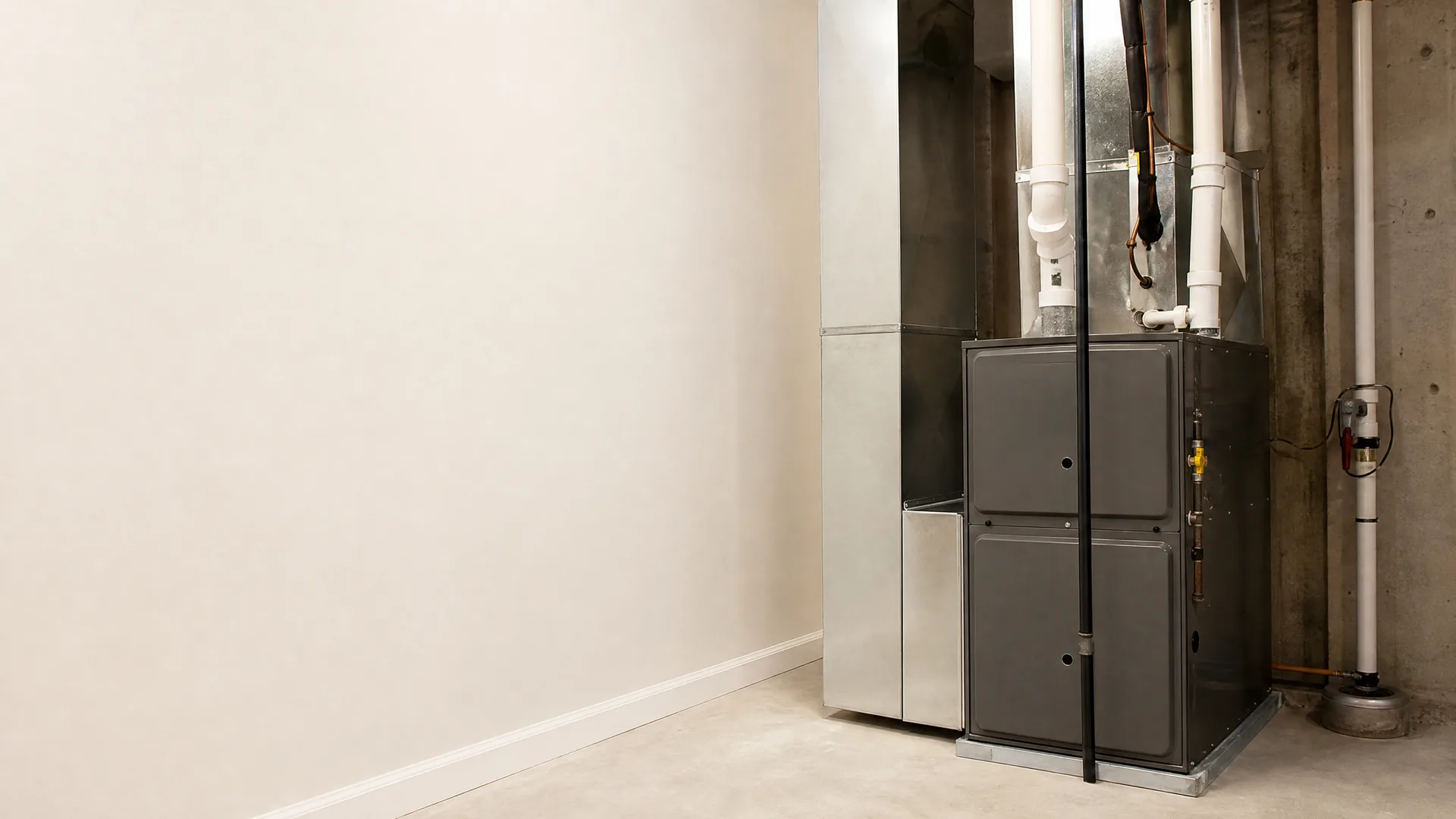
A gray furnace with sheet-metal ductwork and white PVC vent pipes stands in the corner of a finished basement room with a blank beige wall and concrete floor.

Where a heat pump loses ground

A heat pump moves heat instead of making it, pulling warmth out of outside air and pumping it indoors. As that air gets colder there's simply less heat in it to move, so the unit has to run longer to deliver the same warmth. Below a certain outdoor temperature, most heat pumps switch to backup electric heat strips to keep up, and those strips cost more to run than the compressor does on its own.

A woman stands in the open black front door of a white-sided house with a dark shingled roof while a man in a navy jacket approaches along the walkway, with lantern wall lights, a potted shrub, and flowering garden beds nearby.

How a dual fuel setup decides which one to run

A dual fuel system pairs a heat pump with a propane furnace in the same ductwork and lets a control board pick which one fires. The heat pump runs down to a set outdoor temperature, usually somewhere in the 30s or low 40s, and below that the board switches over and lets the furnace take the load. You never touch a second thermostat. It happens on its own, mid-cycle if it has to.

Getting that switchover point set right for a Kalkaska winter takes someone who's sized both sides of the system for your house and your ductwork, not a default number left over from the factory setting. That's the kind of judgment call that separates a system that saves you money from one that just runs the furnace all winter anyway. A contractor who installs these regularly in this county can tell you where that line should actually sit for your place, instead of you guessing at a thermostat setting and hoping.

A wooden table holding a stone vase with a bare branch, two stacked books and a small dark bowl, beside a window with green foliage outside and a sofa in the dim background.
A woman in a cream knit sweater sits in an armchair indoors, eyes closed and smiling, beside a window showing yellow and orange autumn foliage, with a mug on a wooden side table and shelves holding vases behind her.
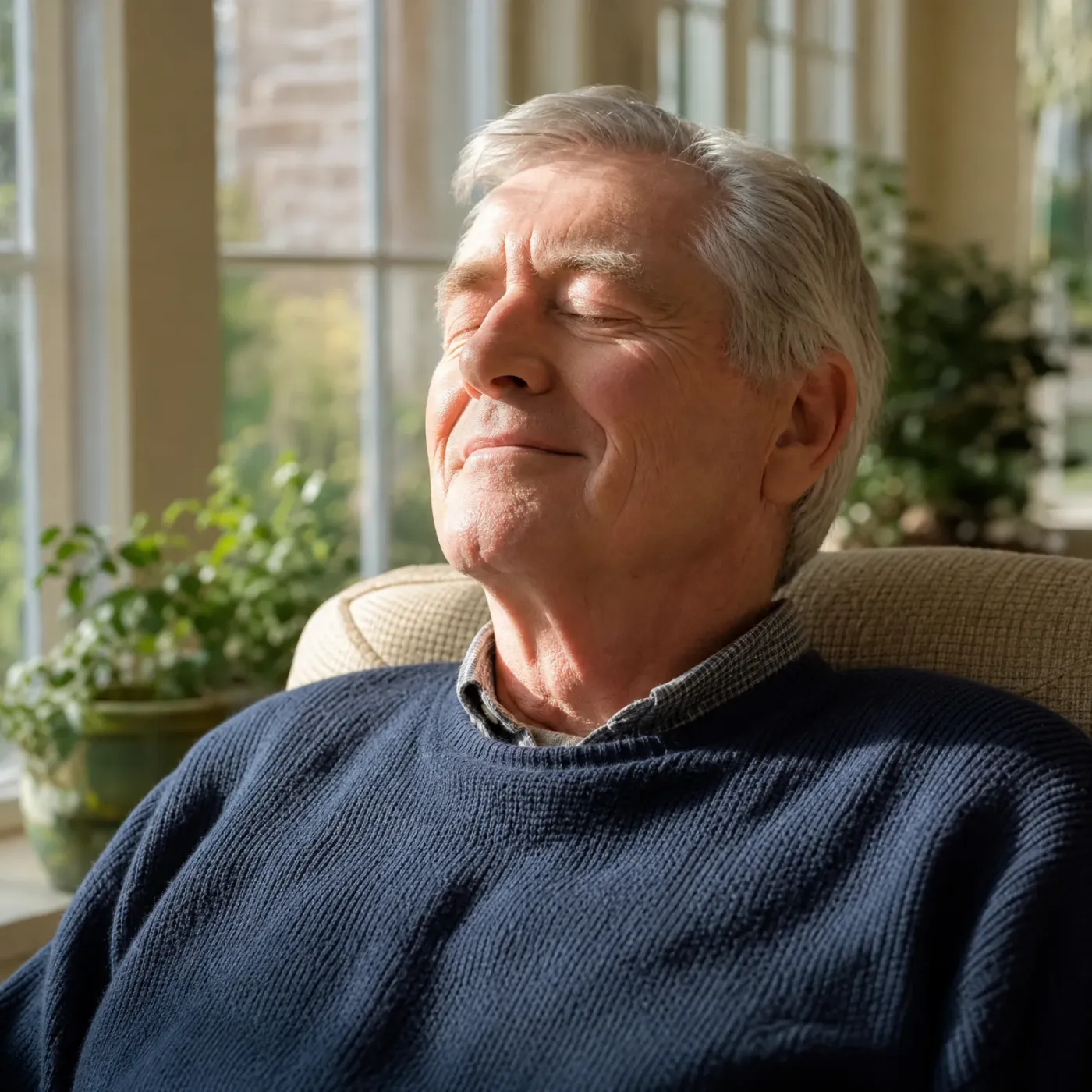
An older man with gray hair and a navy knit sweater sits in an armchair with his eyes closed, near a bright window with potted green plants.

Get the right pro for your furnace

Explain the job once and skip repeating it on every call.

Sending the form costs nothing.

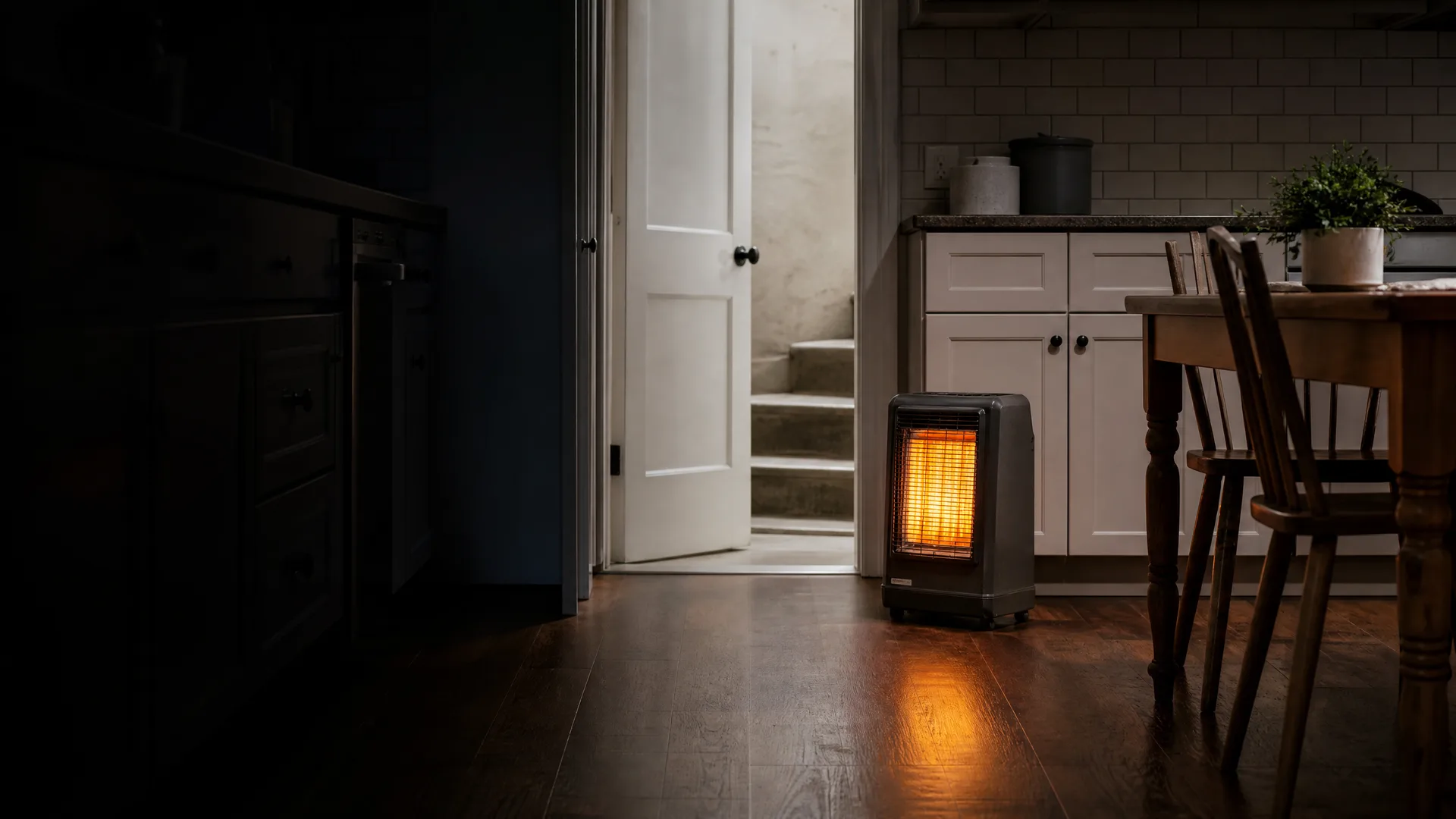
A portable gas heater with a glowing orange radiant panel stands on a dark wood floor in a dimly lit kitchen, beside an open white door leading to a stairway, with white cabinets, a tiled backsplash, a potted plant and a wooden table and chair nearby.

The thermostat still reads sixty-four at seven in the morning. Outside it's somewhere below zero, the kind of Kalkaska cold that settles in for a few days at a time. You've dragged the space heater over by the kitchen table again, close enough that the kids can eat breakfast without their coats on. The basement door stays open so what heat it throws drifts down to the pipes. You can hear the furnace cycling, but it's not keeping up, not this morning. Upstairs the bedrooms are colder still. You already know how this goes once the sun's up and the propane truck hasn't been by in a while, so you do the math on the tank gauge before you leave for work.

A gray high-efficiency furnace in a basement with sheet-metal ductwork, white PVC vent pipes, metal plumbing lines, a condensate pump on the floor, and a window showing green trees outside.
A furnace like this, properly vented and maintained, keeps running at full output on the nights a heat pump would struggle to keep up.
An older metal furnace with PVC and metal pipes stands on a concrete basement floor beside galvanized ductwork, with wooden stairs and a water tank in the background.
A furnace left to run dusty and unserviced loses efficiency and can leave you calling for a repair on the coldest night of the year.

Winter nights average 15°F

That 15°F average is just the overnight low. Plenty of nights here drop well past it. A heat pump is straining hard by the time it hits the teens, which is a normal night in Kalkaska from December through February, not a rare one.

NOAA nClimDiv 1991-2020

Choosing what fits your winter

  • A straight propane furnace keeps its full output on a January night in Kalkaska, which is the main reason most homes here still heat with one.
  • A heat pump alone loses capacity as the outdoor temperature drops into the teens and below, right when Kalkaska needs the most heat.
  • A dual fuel setup gets you the heat pump's efficiency in milder weather and the furnace's steady output once it turns hard cold.
  • Skipping maintenance costs you the same on either system: a dusty, unserviced furnace or heat pump is more likely to fail on the coldest night.
  • Instead of calling several contractors and repeating your situation to each one, you can get matched with one who installs and compares these setups for Kalkaska homes.
  • Whichever way you lean, the choice comes down to how your house holds up on the nights that actually get cold, not the average winter day.

The question isn't which system is better everywhere. It's which one holds up on a Kalkaska night when the temperature drops into the single digits and stays there. A straight propane furnace answers that question by running the same at ten below as it does at thirty above. A heat pump alone can't make that promise once the air it's pulling heat from gets that cold. A dual fuel setup splits the difference, leaning on the heat pump when the weather allows it and switching to propane when it doesn't. None of that matters if the equipment isn't maintained. A furnace or heat pump that's gone without service is the one most likely to quit on the night you need it most, regardless of which fuel it burns. What usually slows people down isn't the decision itself, it's the legwork after: finding contractors who install both kinds of systems, calling each one, explaining your house and your situation again every time, then trying to line up quotes that aren't even comparing the same work. That part can be handed off. Getting matched with a contractor who already knows Kalkaska winters and installs both setups means you explain things once. The right answer for your house depends on specifics a page like this can't see, your ductwork, your current furnace, what your house loses heat through, and those are worth having someone look at directly rather than guessing from averages.

Corner of a house with light horizontal lap siding, a white gutter and downspout, and a window, beside a mulched bed with small shrubs, a lawn, wooden fence and trees in the background.
Close-up of a white gutter along an asphalt-shingle roof edge with dry brown leaves collected in it, a downspout and lap siding below, and blurred autumn trees in the background.
Exterior corner of a house with horizontal lap siding above a stone veneer base and a dark-framed window, with ornamental grasses and shrubs in the foreground and trees in low sunlight behind.
A white horizontal-siding house with a steep gray shingled gable roof, fronted by trimmed shrubs, a brick walkway, and a lawn scattered with fallen autumn leaves.
Corner of a house with cream horizontal lap siding, a black-framed window, asphalt shingle roof with dark fascia, white hydrangea blooms and green shrubs below, and a leafy tree and wood fence to the right.

A pro who works on furnaces

Skip searching for a furnace pro and answer a few questions instead.

Match me with a pro

You're not committing to anything by asking.