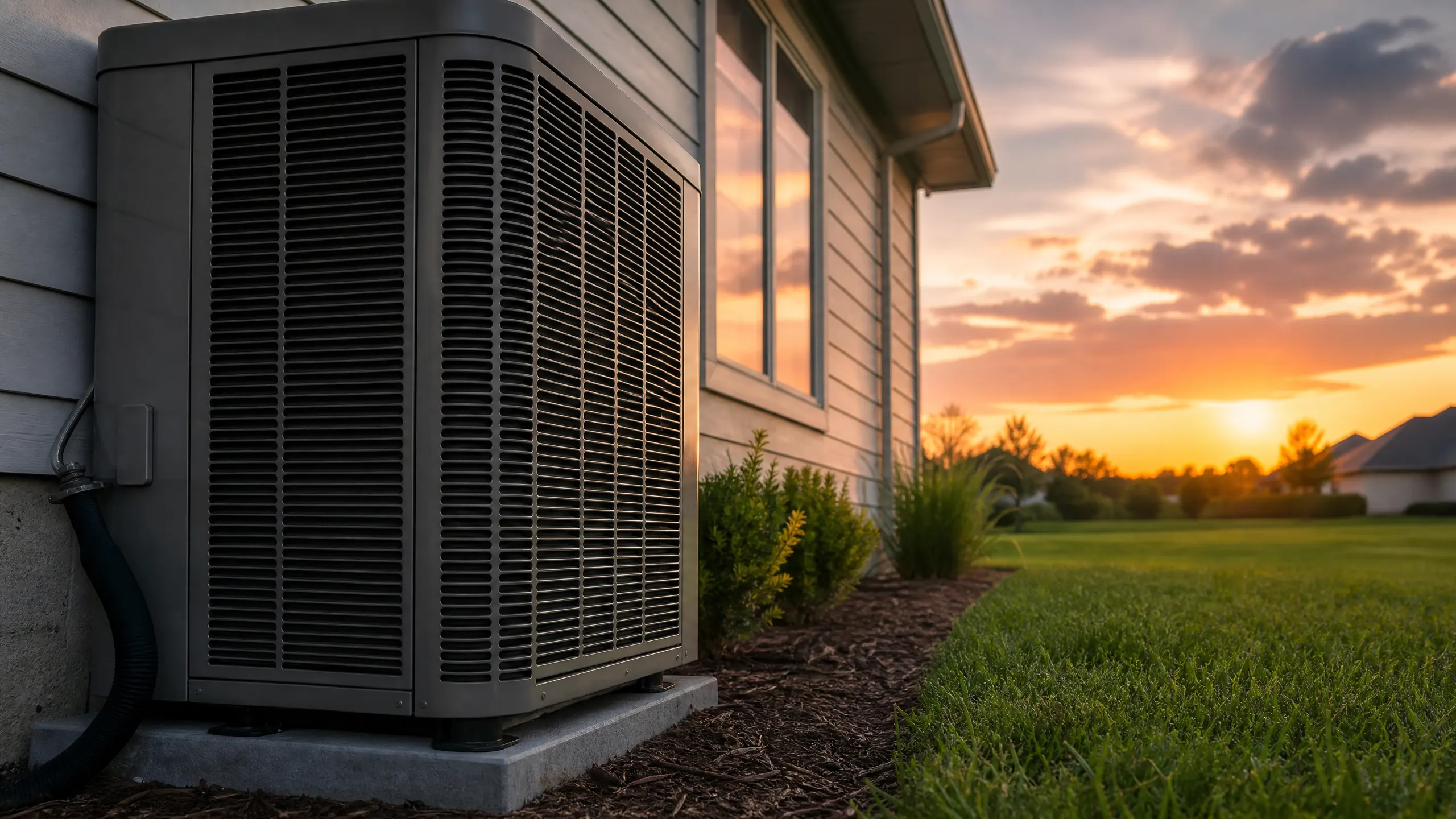





An outdoor air conditioning condenser unit mounted on a concrete pad beside a house at sunset.

Heat Pump Repair in Big Rapids, MI

Tell us about the job

Takes about a minute. No obligation.

RepairHeat PumpMecosta County, MI
Step 1 of 2

What ZIP code is the job in?

A heat pump in Big Rapids runs hard for a long stretch of the year. Zone 6A winters keep it working from fall through spring, and overnight lows averaging 16°F in December through February mean it's pulling heat from cold air night after night. That's a real workload, but it's not an unusual one for this machine, and it's not the same as abuse. A unit that's been maintained can handle a Mecosta County winter without strain. When one starts acting up here, the cause is more often a part wearing out on schedule than the system being pushed past what it's built for. That's worth knowing before you assume the whole unit is on its way out.

9 months
September through May, your system heats
2 months
July through August, it cools
16°F
the average winter night it heats against
80°F
the average summer afternoon it cools against
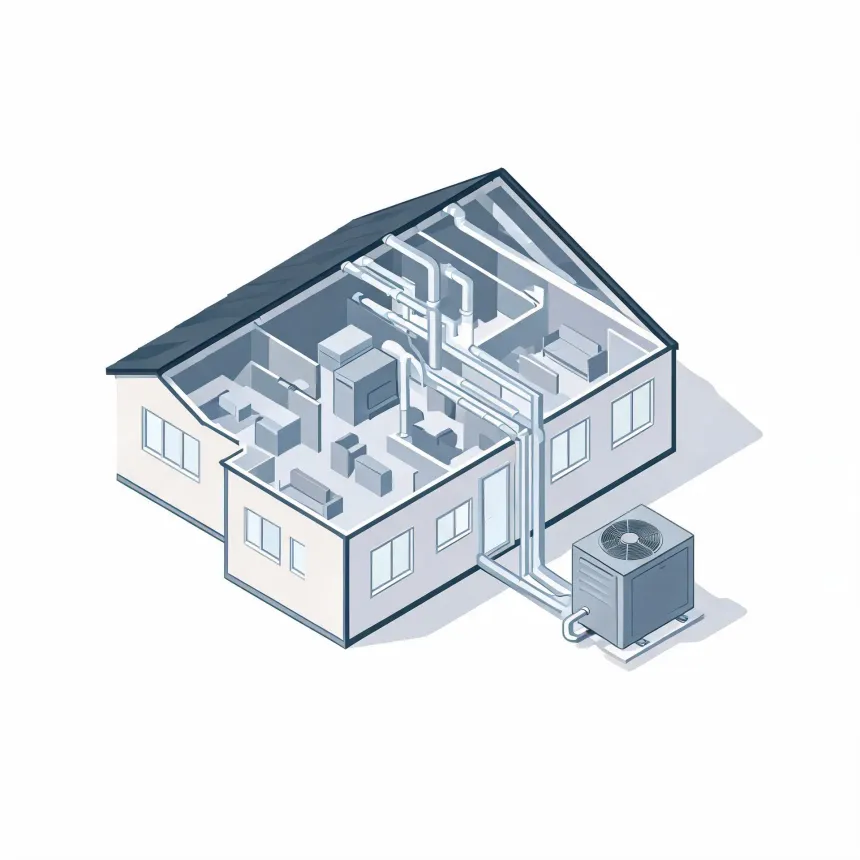
Isometric illustration of a cutaway single-story house showing interior ductwork and vents connected to an outdoor condenser unit beside the building, on a white background.
Your system heats September through May and cools July through August.

NOAA nClimDiv, 1991–2020 normals

Heat pumps in Mecosta County start their heating run in September, after August.

A heat pump that's been limping along since spring usually fails once September asks it to carry the load.

Mecosta County weather isn't why your heat pump is acting up

29 severe weather events from 2015 to 2024
34% of homes statewide lost power a day or more in 2024
13 damaging wind events from 2015 to 2024

Half the homes in Mecosta County were built in 1979 or earlier, half after. Either way, that tells you about the house, not the heat pump inside it. A system gets replaced on its own schedule, not the house's, so an older home can easily have a newer unit and a newer home can still have the one it came with. If yours came with the house, that's worth checking before you guess at anything else. Mobile homes are a real share of the housing here too, and those often run a different setup than a standard split system, which a contractor will want to know before diagnosing anything.

The longer it runs wrong, the more it costs you

Michigan electricity runs 19.30 cents per kilowatthour, one of the higher rates around, and a heat pump working as hard as yours does here runs on it constantly. A failing part doesn't just risk a breakdown. It costs you something every day it keeps running wrong.

Find a contractor
A man in a cap, gray long-sleeve shirt and brown pants carries a canvas tool bag up porch steps toward a dark front door, beside a potted shrub.
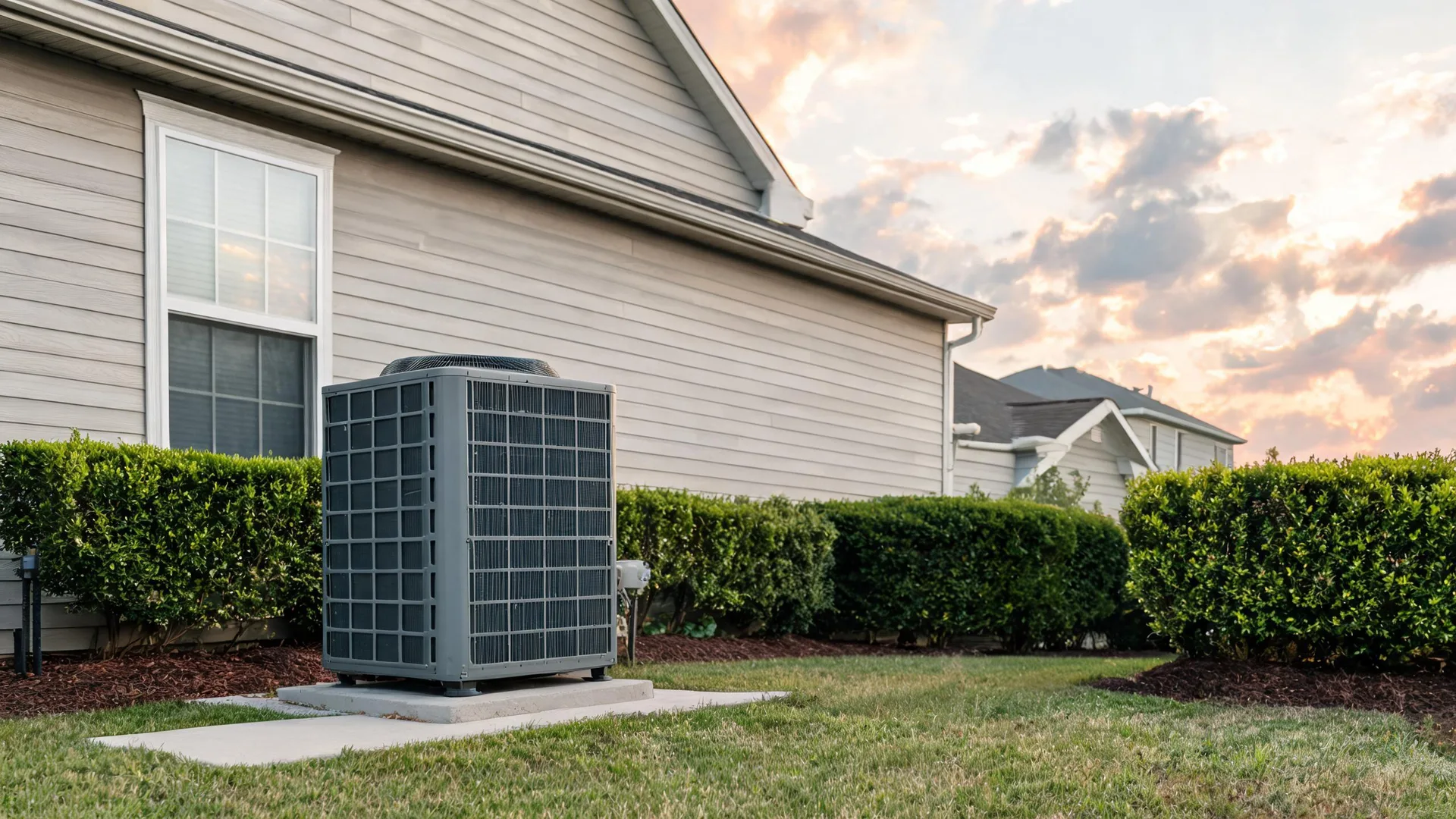
A residential heat pump outdoor unit mounted on a concrete pad next to a house with gray vinyl siding.

A heat pump built for this doesn't wear out early

Winter storms have hit this county 11 times in the last ten years, and that's hard on power lines, not on the unit itself. Once power is back, the heat pump should start up on its own. If yours doesn't, that points to a control board or another failed part, not the storm itself. A system that's been getting its yearly service can take a Big Rapids winter for years without the kind of breakdown that calls for a repair. If yours is acting up already, get a contractor to find the part that's failing before it takes anything else down with it.

What you can check yourself

Look at the outdoor unit first. If the coil is caked in ice or buried in leaves and debris, airflow is blocked and the system can't move heat the way it should. Check the thermostat batteries and make sure it's set to heat, not auto or off. Inside, pull the filter and hold it up to light. If you can't see through it, swap it out. A clogged filter starves the whole system of airflow. Walk through the house and check that supply vents are open and nothing's blocking them. A couch or a stack of boxes can throw off the whole balance.
What to leave alone

Leave the outdoor unit's electrical panel closed and leave the refrigerant lines alone. Reading refrigerant pressure and handling line connections calls for gauges and training most homeowners don't have. If the breaker's tripped, you can reset it once. If it trips again, stop and call someone. A breaker that won't hold is telling you something's actually wrong, not just overloaded. A reversing valve that won't switch between heat and defrost is the same kind of problem. That's a part a contractor needs to test, not something to guess at from the thermostat.

A heat pump that needs a repair usually tells you in small ways before it quits outright. Air coming from the vents that feels cool instead of warm is one of the first signs, especially if the system runs and runs without the house actually warming up. Short cycling is another, where the unit kicks on, shuts off, then starts again almost right away. That's hard on the compressor and it usually means a part is failing, not that the thermostat needs adjusting. Listen for anything new. A grinding or squealing from the outdoor unit points to a motor bearing going bad. A hissing or bubbling sound can mean a refrigerant leak, and that's not a wait-and-see problem since it can damage the compressor the longer it runs low. Ice building up on the outdoor coil that doesn't clear during the defrost cycle is worth a call too. That's usually a failed defrost control or a sensor, not just cold weather doing what cold weather does.

A repair makes sense when the problem is one part failing inside a system that's otherwise sound. A bad capacitor, a failed sensor, a worn contactor, these are normal wear items and swapping one doesn't mean the rest of the unit is in trouble. Replacement starts to make more sense when the compressor itself is failing, since that's the one part that isn't really a repair so much as the heart of the system giving out. Age matters less than pattern. A unit that's needed a few different repairs over a few different years is wearing out broadly, not failing in one spot, and that's a different conversation than a single part breaking on an otherwise healthy system. A contractor can tell you which one you're looking at once they've actually seen what failed.