
Heat pump vs furnace in Washtenaw County, Michigan

Get a Quote

For homes in Washtenaw County

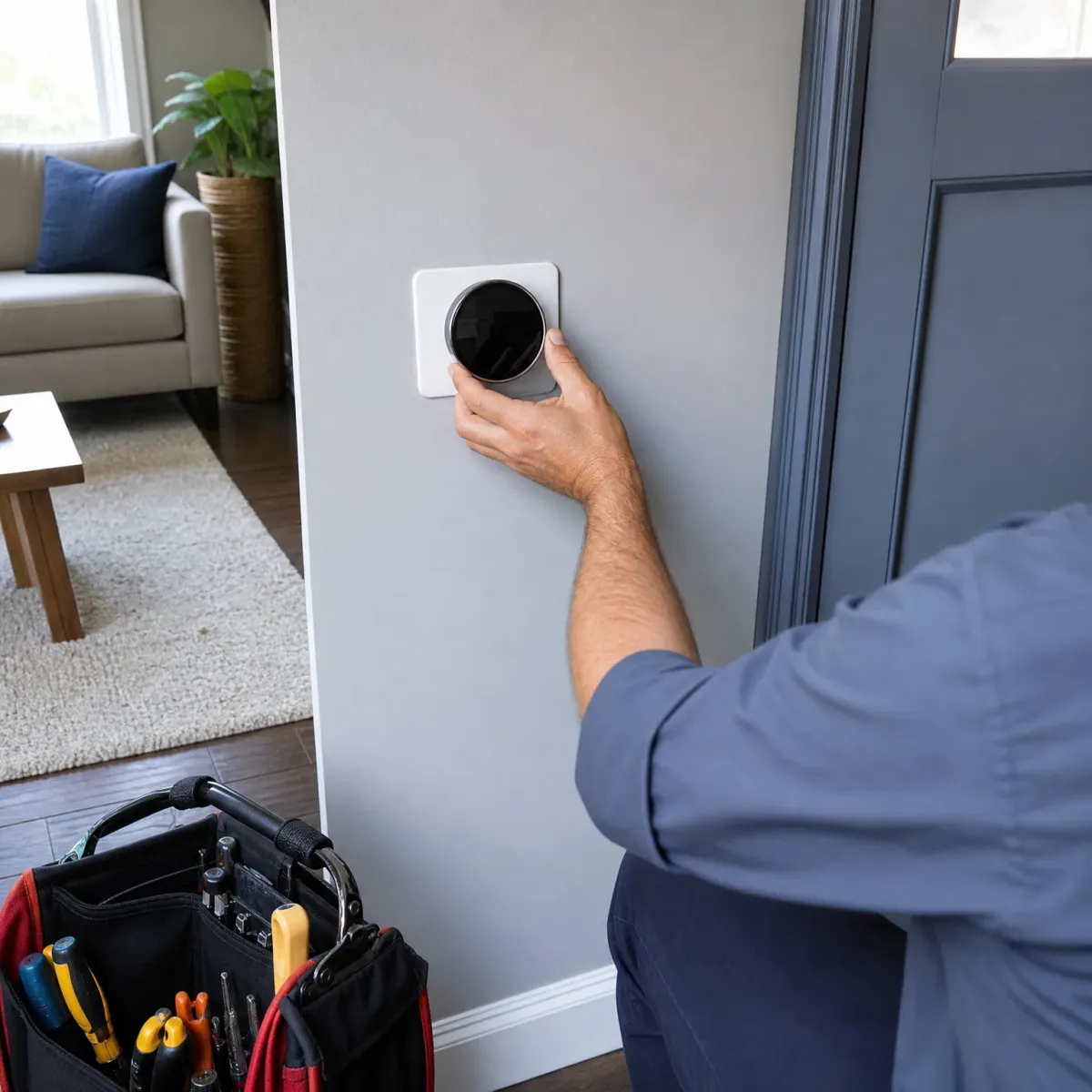
A person in a blue shirt reaches up to adjust a round black wall-mounted thermostat on a gray interior wall, with a living room and an open tool bag of screwdrivers and pliers in the foreground.

Tell us about the job

Takes about a minute. No obligation.

New system or replacementWashtenaw County, MI
Step 1 of 3

What kind of equipment?

Which costs less to run in Washtenaw County?

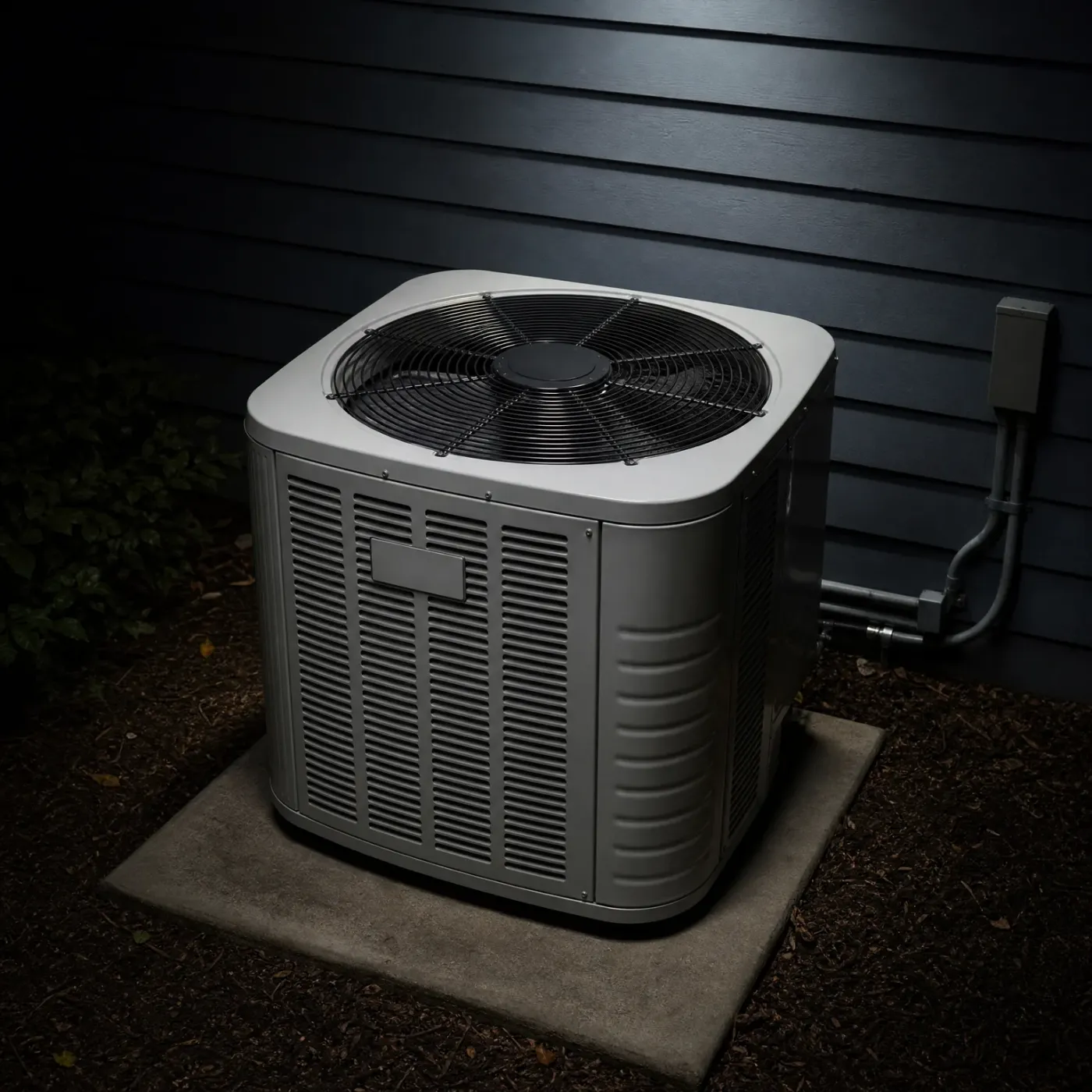
A gray outdoor condensing unit with a top-mounted fan grille sits on a concrete pad beside a dark horizontal-lap sided wall, with conduit, a disconnect box, and refrigerant lines running to the wall at night.

Heat pump

To heat your home here$2.57per 100,000 Btu

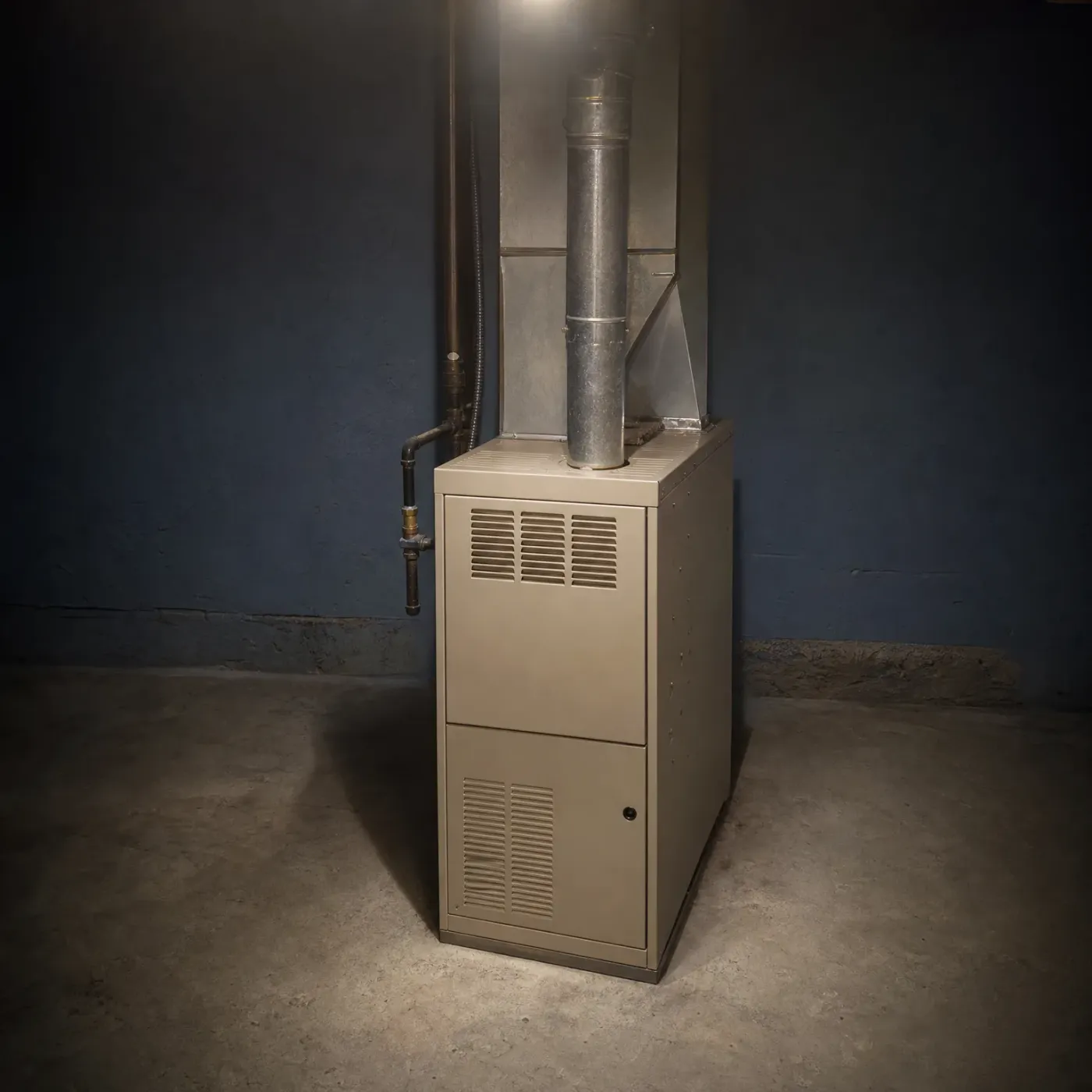
A beige gas furnace with louvered panels stands on a concrete floor against a dark blue wall, with a metal flue pipe, sheet-metal plenum duct, and copper gas piping above and beside it.

Furnace

To heat your home here$1.28per 100,000 Btu

At Michigan's gas and electricity prices, a gas furnace makes the same heat as a heat pump for at least 50% less.

Btu stands for British thermal unit, the standard measure of heat energy.

Where does a heat pump shine?

  • No gas line, nothing burning in the house

    It moves heat instead of making it from fire. That means no combustion, no flue and no gas bill for heat.

    A kitchen with navy cabinets, white countertops, gray herringbone tile backsplash, stainless range hood over a cooktop with a kettle, open wood shelves with dishes, two glass pendant lights, a window, and a bowl of green apples on the foreground island.
  • Steady, even comfort

    It eases up and down with the weather. There are fewer swings between too warm and too cool.

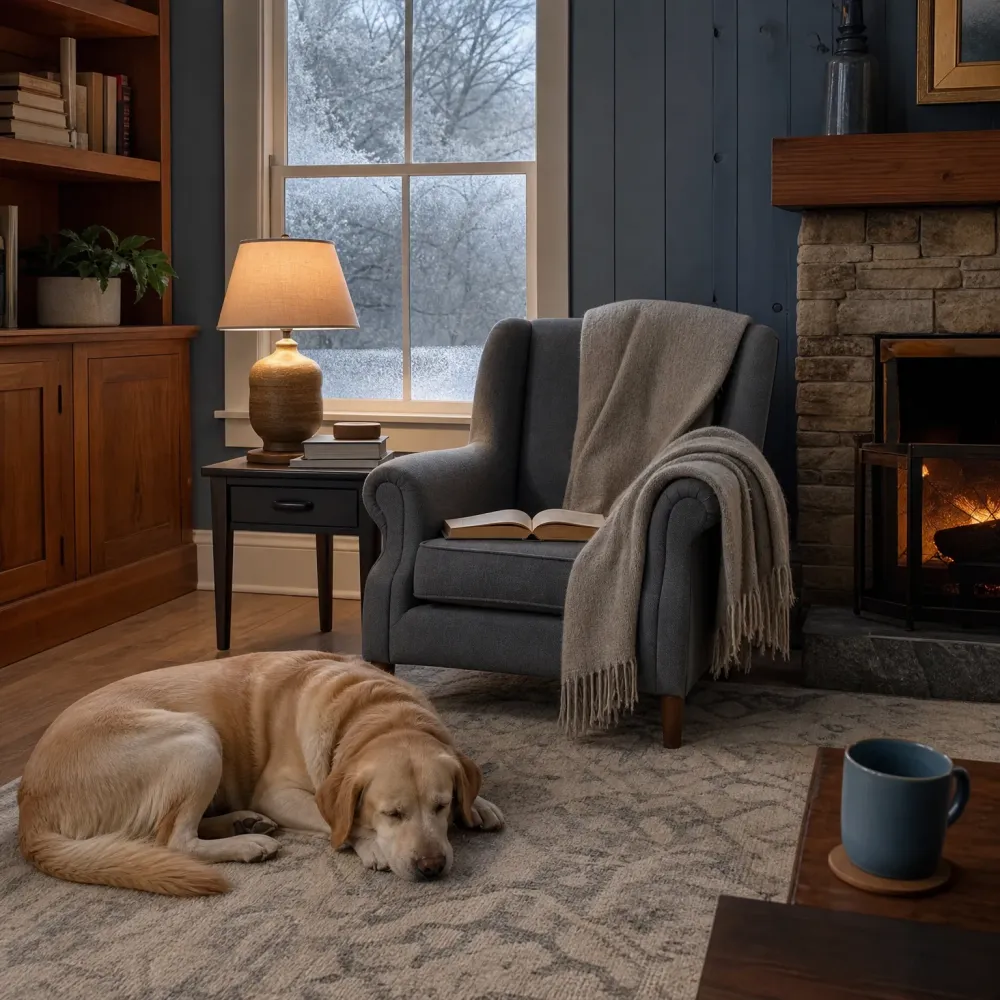
    A yellow dog sleeps on a patterned rug in a living room with a gray wingback armchair holding an open book and a draped throw, a lit table lamp beside a window showing snowy trees, and a stone fireplace with a burning fire at right.
  • Heats and cools in one system

    One machine handles the heat in winter and the cooling in summer. There's no second system to buy or keep up.

    A living room with a beige sofa holding blue and navy cushions and a grey fringed throw, set before a dark-framed window overlooking green trees and flowering shrubs, with cream curtains, a dark blue built-in shelf unit, a table lamp, and white hydrangeas in a glass vase in the foreground.

Where does a furnace shine?

  • Strong, steady heat in hard cold

    Winter nights here average 19°F, and a furnace keeps putting out hot air straight through those stretches without losing ground. You won't notice it working harder, the heat coming out of the vents stays just as warm at 2am as it does at dinnertime.

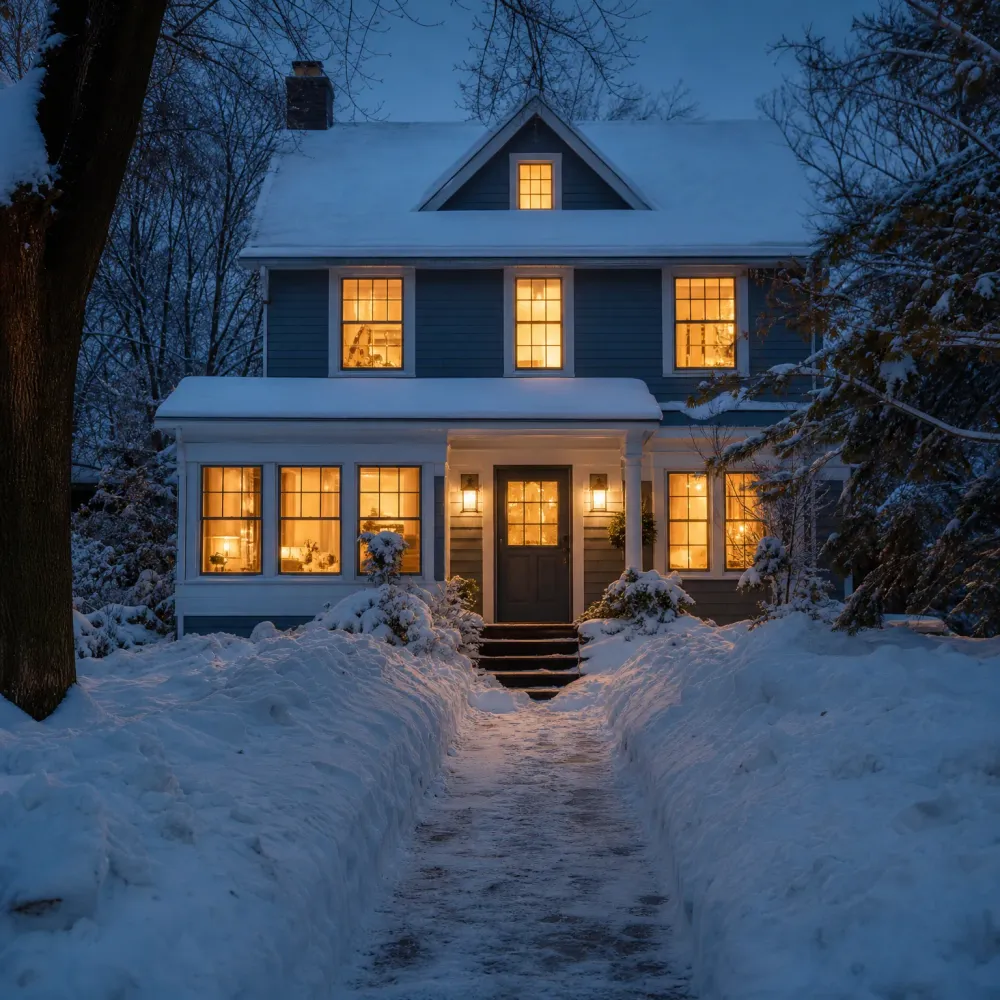
    A two-story dark blue house with white trim and lit windows at dusk, with a snow-covered roof and a shoveled path leading through deep snow to the front steps.
  • Runs on the gas most homes here already use

    Most homes in Washtenaw County already have gas line in for heat, so a furnace just uses what's there. No new fuel source to add, no new infrastructure to plan around.

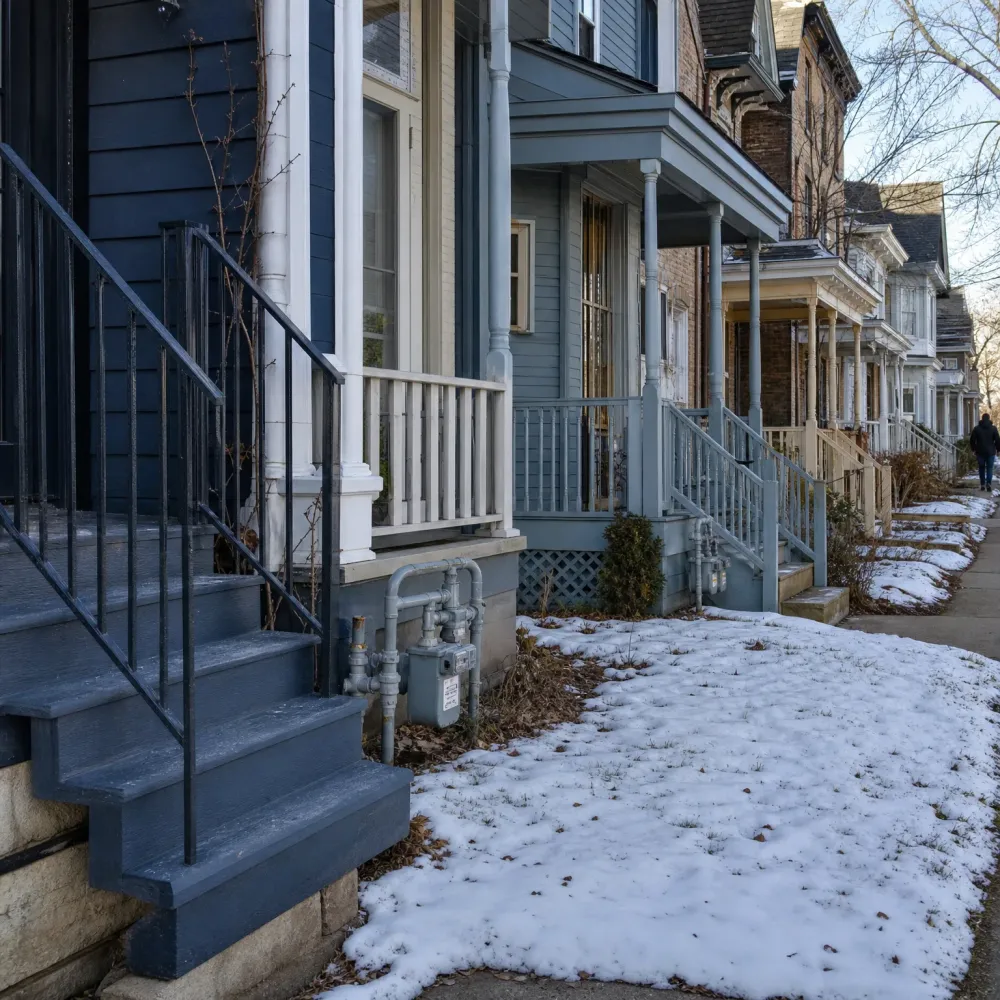
    A row of two-storey houses with covered porches and painted wood siding along a sidewalk, with patchy snow on the front yards, exterior gas meters and piping, bare trees, and a distant person walking.
  • Fast, strong heat on demand

    A furnace pushes out hot air within minutes of switching on. A cold house warms up fast.

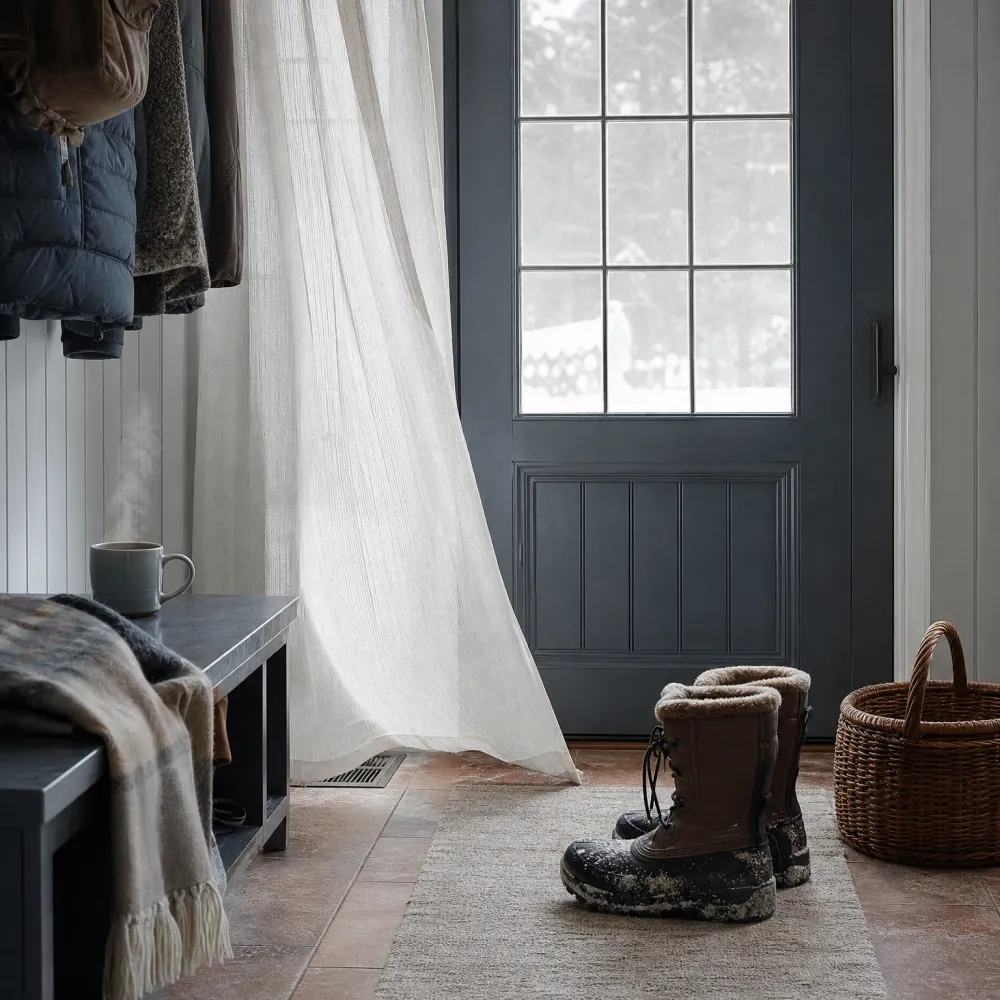
    An entryway with a dark glazed door showing snow outside, a sheer curtain, coats on hooks, a dark bench with a fringed blanket and mug, a wicker basket, and a pair of snow-covered brown winter boots on a rug over tile.

What the cold here does to a heat pump

Winter is the long season here, eight months of heat against three of cooling, and the overnight low in December, January and February averages 19°F. That number matters because a standard heat pump has two marks on the way down, and 19°F is past both of them. Below 40°F its heat output drops under what it is rated for. Below about 35°F it often needs backup heat to keep up. The average winter night here is colder than either mark, not just on the worst nights but most of them.

About 145 nights a year here fall to freezing or below, over half of the nights across the heating season. Every one of those nights is already past the point where a standard heat pump is working at a disadvantage. That is not a story about a few bitter nights in January. It is most of the winter.

The cold climate models change the math. A heat pump carrying the ENERGY STAR Cold Climate mark has to prove, under third-party testing, that it still makes at least 1.75 units of heat per unit of electricity at 5°F and holds onto most of its capacity at that temperature. In field testing of prototype cold climate heat pumps in occupied homes, backup heat covered only a small share of the heat needed between 0°F and 35°F, and the system running on backup alone was rare even above 0°F. The 8 nights a year here that reach 0°F or below are a small part of the 145 freezing nights, not the shape of the whole winter.

So the honest version is this. A standard heat pump will struggle on an average night here and lean on backup heat a lot of the winter. A cold climate heat pump is built for exactly the nights this county has most of, and backup heat stops being the thing carrying the house.
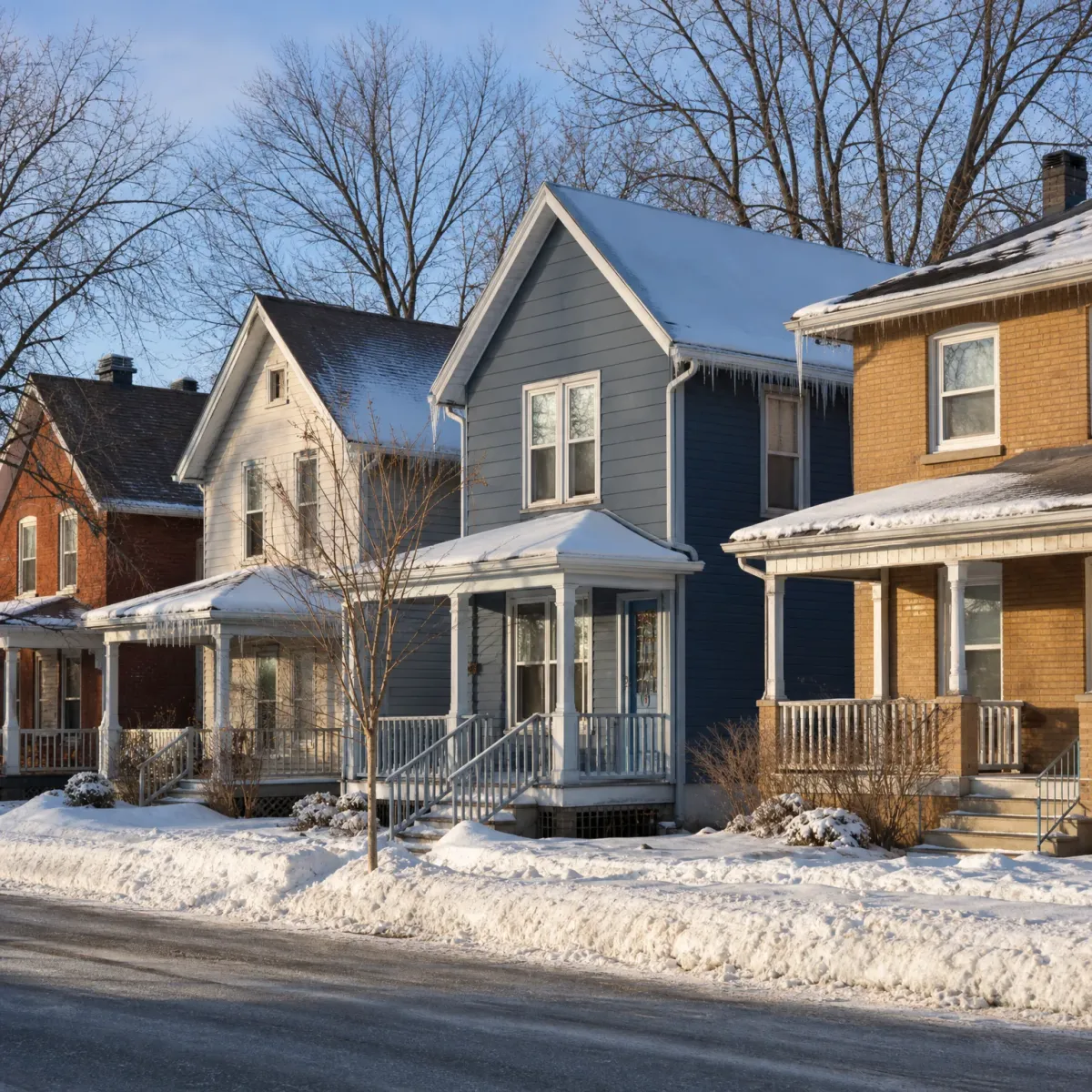
A row of two-story houses with covered front porches, including gray, white, and yellow-brick facades, behind snow-covered lawns and a plowed street under a clear blue sky.

What it costs to run, and what the house is already set up for

At Michigan's current prices, a furnace makes the same heat for less. $1.28 per 100,000 Btu on gas against $2.57 on a standard heat pump, electric against gas, more than double. That gap holds for every one of the eight months heat is running, not just the cold snaps.

Three in four homes here already heat with utility gas, and only about one in five use electricity. That is not a reason by itself, but it means the gas line and the furnace are already the default a house here is built around, and a switch to a heat pump is a switch away from what is already in the walls.

A furnace only does one job. It heats, and for the four months a year nobody here is running heat, it sits idle. A heat pump heats and cools from the same system, so the money spent on it is working in both the three-month cooling season and the eight-month heating season.

Put together, the case for a furnace here is the running cost plus the infrastructure already in most homes. The case for a heat pump is the single system for both seasons, and that case gets stronger, not weaker, if the unit under consideration carries the Cold Climate mark rather than the federal minimum rating priced in the comparison above.

Sources: NOAA nClimDiv · NOAA 1991–2020 seasonal normals · PNNL Building America guide · PNNL-37127 field study · ENERGY STAR product criteria · EIA SEDS 2024 · 10 CFR 430.32 · Census ACS 2020–2024

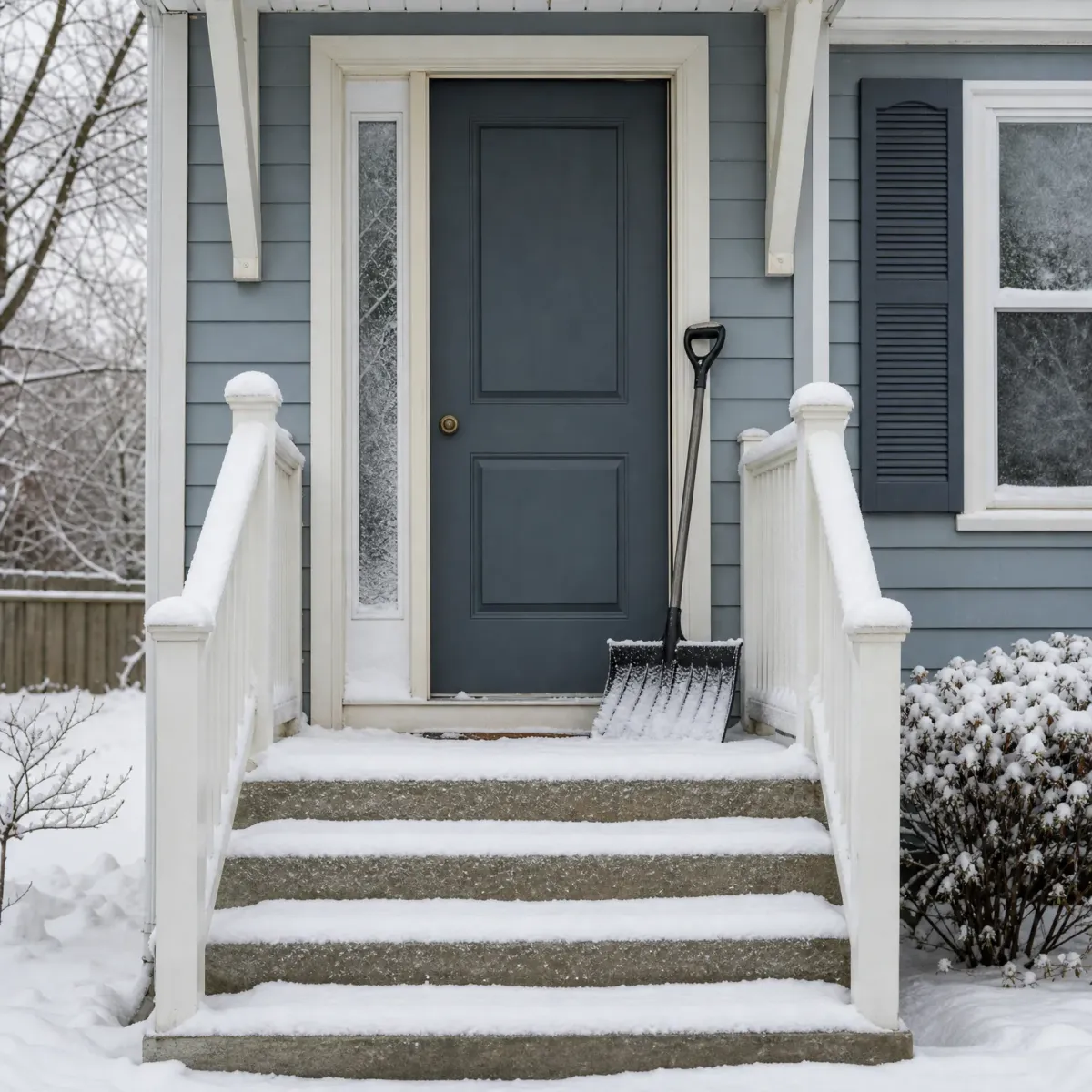
Snow-covered concrete front steps with white railings lead to a dark gray door on a blue-gray clapboard house, with a snow shovel leaning beside the entry.

Common questions about heat pumps and furnaces

  • Can a heat pump heat a house through a Michigan winter?

    It can, but what kind of heat pump matters. A standard heat pump loses capacity as the temperature drops and falls short of its rating below 40°F, which is above the average winter low here of 19°F. A cold-climate heat pump is built and tested to hold most of its capacity down to 5°F, and field testing on prototypes of that kind found backup heat covered only a small share of the output between 0°F and 35°F, so the equipment choice decides whether a Michigan winter is a problem.

  • Do I need backup heat with a heat pump here?

    Most likely, yes. A standard heat pump's output falls short of its rating once it's below 40°F outside, and it often needs backup heat below about 35°F. The average overnight low here is 19°F, and it drops to freezing or below on about 145 nights a year, so a standard heat pump here will lean on backup heat through a lot of the winter.

  • Can I keep my furnace and add a heat pump?

    Yes, and here that often makes sense. The furnace carries the house on the coldest nights, the kind that drop to 19°F or lower, and the heat pump handles the rest of the eight months the heat runs. You get a gas line most homes in the county already have, plus a heat pump for the milder months and for cooling.

  • Is a heat pump cheaper to run than a furnace in Washtenaw County?

    No. A gas furnace runs about $1.28 per 100,000 Btu of heat here against about $2.57 for a heat pump, so the furnace costs less. That gap comes from Michigan's fuel prices, gas at $10.21 per million Btu against electricity at $56.56, not from how well-built either machine is.