







Why your propane furnace won't light in Baldwin, MI

RepairFurnace or heatingLake County, MI
Step 1 of 2

What ZIP code is the job in?

Why won't my propane furnace light in Baldwin?

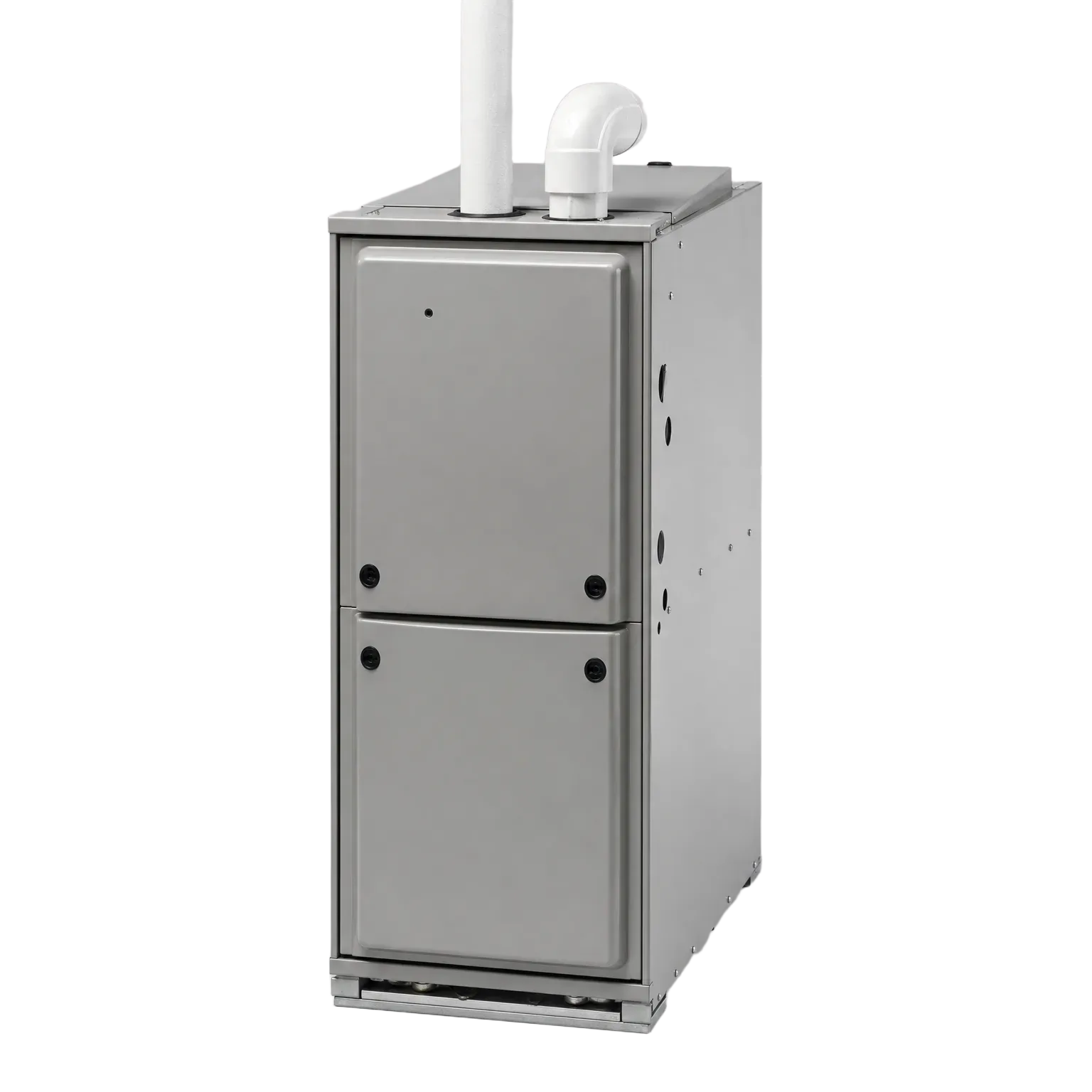
A propane furnace that won't light usually means a safety switch has shut it down before it fails one more time in the cold. In Lake County winters that get hard and long, a furnace that won't start is not something to wait out. You want to know what's actually stopping it from lighting and whether it's something that gets worse the longer it sits.

It's likely a dirty flame sensor, a clogged igniter, or low propane pressure

A furnace that won't light is usually telling you something shut it down on purpose. The flame sensor can get coated with residue over a season of use, and once it can't detect a flame, the furnace cuts gas to the burners rather than let it run unchecked. An igniter that's cracked or caked with dust won't get hot enough to start combustion at all. And because most homes around Baldwin run on propane rather than natural gas, a nearly empty tank or a regulator issue can keep the furnace from lighting even when everything inside it is working fine. With winters here running long and cold, a furnace stuck in this state needs attention before the house loses heat for good.

A smiling man in a dark green sweater sits at a wooden table with a light gray mug in a kitchen with white tile backsplash, pendant lights, and an adjoining living room visible.
A smiling man in a dark gray sweater stands indoors looking to the side, with a kitchen counter holding a ceramic mug and open wooden shelves behind him and a living area in the background.
A smiling man in a dark blue button-up shirt stands at a white kitchen island, with open shelving, a gas range, a potted plant and a window in the background.
A smiling man with dark wavy hair and a beard, wearing a dark green knit sweater, sits in an open-plan living room and kitchen with a brown sofa, large windows, and a counter holding a mug and a wooden bowl.
A basement utility area with a gray furnace, sheet-metal ductwork, pipes, plastic-covered walls, a concrete floor, and a black shelving unit holding storage bins.
A furnace that lights and runs through its full cycle, flame steady, no short-cycling, no delay at the igniter.
A gray metal furnace with louvered vent panels stands on a concrete basement floor beside galvanized ductwork, gas and plastic pipes, and foil-faced insulation along the ceiling and wall.
A furnace with rust creeping across the cabinet, the kind of wear that strains an igniter or flame sensor until it quits.

How the Ignition Sequence Works

  • Most propane furnaces fire the igniter first, then open the gas valve once that igniter proves hot enough to light.
  • A flame sensor has to detect the flame within seconds or the control board cuts gas to the burner.
  • Low propane pressure, from a near-empty tank or a frozen regulator, keeps the burner from lighting even with a good igniter.
  • The inducer motor has to prove it's pulling exhaust before the control board will even send power to the igniter.
  • A cracked igniter or a flame sensor coated with soot reads as no flame, so the board shuts the gas valve back off.
  • Three failed attempts in a row usually puts the furnace into lockout, where it won't try again until the switch is reset.

A propane furnace lights in a set order, and when it won't start, the break is usually somewhere in that order. First the inducer motor spins up to clear exhaust out of the heat exchanger. A pressure switch has to confirm that draft before the control board does anything else. Once it does, power goes to the igniter, either a hot surface igniter that glows or a spark igniter that clicks. The board waits for that igniter to reach the right temperature, then opens the gas valve. Propane reaches the burner, the flame should catch, and a flame sensor has a few seconds to confirm it's there. No signal from that sensor, and the board shuts the valve again rather than let gas keep flowing with nothing burning it. That sensor can get coated with a thin layer of soot and stop reading the flame even when the burner lit fine. The igniter itself can develop a hairline crack and never get hot enough to light the gas at all. Low pressure out of the propane tank causes the same failure from the other end, since the valve opens but there isn't enough fuel behind it. Any one of these breaks the sequence, and the board won't skip ahead. After three failed tries it locks the furnace out rather than keep attempting to light an open gas valve, which is why the reset switch matters as much as whatever caused the first failure.

A beige furnace with two access panels stands against a concrete basement wall, with galvanized sheet-metal ductwork, a white PVC pipe, flexible conduit and insulated ducting around it.
Before you get your furnace repair
A gray furnace with white PVC vent pipes stands beside sheet-metal ductwork in a basement with a smooth concrete floor, exposed wood framing, and plastic sheeting on the walls.
After you get your furnace repair

What a dirty flame sensor does

A flame sensor coated with soot can't read the flame fast enough, so the control board decides there's no fire and shuts the gas valve. The furnace tries to light, runs for a second or two, then quits. Run it again and the same thing happens. This isn't the igniter failing. It's the sensor telling the board something that isn't true. A contractor can usually clean this part rather than replace it, but only after confirming it's the actual cause and not a symptom of something upstream, like low gas pressure keeping the flame too weak to register.


What a stuck inducer motor does

Before gas ever reaches the burner, the inducer motor has to spin up and prove it's pulling exhaust through the vent. A pressure switch checks for this before the igniter even gets power. If the motor is slow to start, seized from age, or the vent is blocked by ice or debris outside, that switch never closes, and the furnace won't attempt ignition at all. No click, no glow, nothing. This is one reason a furnace can go quiet without any flame failure happening. The problem is upstream of the burner entirely.

Winter nights average 16°F

At 16°F, a furnace that hesitates or misfires isn't a small thing to leave overnight. A weak igniter or a dirty flame sensor that limped along in October won't carry your house through a night that cold.

NOAA nClimDiv 1991-2020

When your furnace won't light, the house starts losing heat right away, and in Lake County that doesn't take long to matter. A propane furnace that keeps tripping out on its igniter or flame sensor isn't warming the place between attempts, it's sitting cold while the control board waits out its lockout. If you're away at work when it quits, you could come home to a house that's dropped ten or fifteen degrees, pipes included. A furnace that won't start also won't restart on its own if the problem is a bad igniter or a sensor coated in soot. Every cycle it tries and fails is propane spent without any heat to show for it, and propane here isn't cheap to waste. Left alone over a few cold nights, a furnace that misfires can go from occasional failure to no ignition at all, which turns a repair into an emergency after dark, in weather where that's the worst time for it to happen.

A bearded man in a navy T-shirt sits on a light-colored couch indoors, smiling while looking down at a laptop screen in the foreground, with a framed picture and a potted plant blurred behind him.
A bearded man in a plaid flannel shirt stands indoors looking out a window at snow-covered conifers, with a ceramic mug on the wooden sill and wooden cabinets behind him.

Hand off the furnace problem

Describe what your furnace is doing once, in one form.

You only hire the pro if you want to.

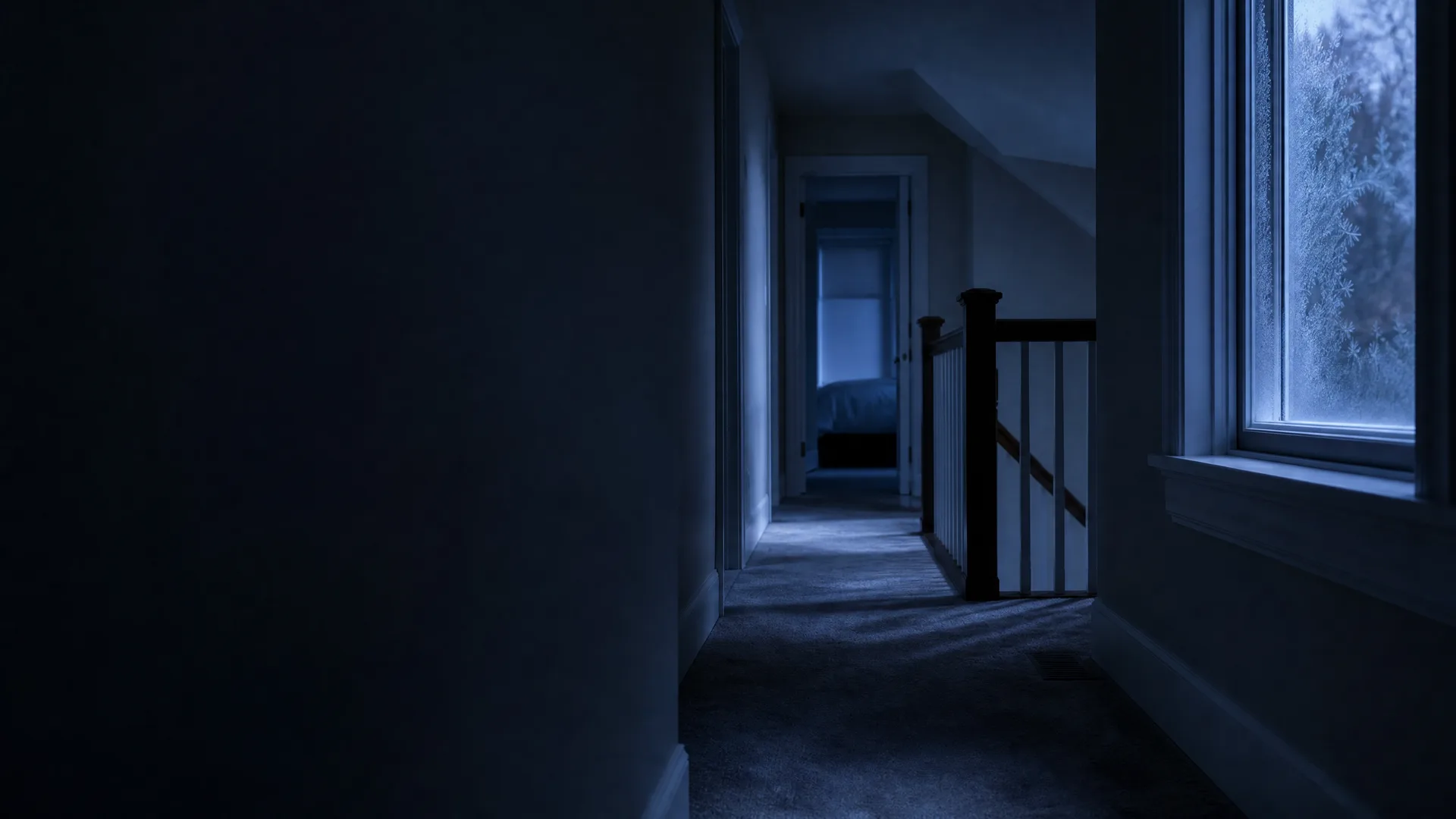
A dim carpeted upstairs hallway at night, with a stair railing on the right, a frosted window letting in blue light, and an open doorway to a bedroom at the end.

You hear it before you're fully awake. The furnace clicks, tries to catch, and goes quiet again. You get up and the hallway floor is cold under your feet, no air coming from the vents at all. Outside the window, frost has built up thick at the edges, and the glass gives off that dim blue light that only shows up on the coldest nights. It's 2 a.m. and the thermometer somewhere in Lake County is sitting well below freezing. You stand in the hallway for a second, listening for the furnace to try again. It doesn't.

Fix the furnace or replace it

Fixing it now

  • A technician can pull the flame sensor, clean it and have your furnace lighting again the same visit.
  • Replacing an igniter costs far less than a full furnace install and solves the problem at its source.
  • You keep the furnace you know, in the house it was sized for, without ductwork or venting changes.
  • A repair this week means heat tonight instead of waiting on equipment to be ordered and scheduled.
  • If the furnace is only a few years into its life, there's no reason to retire it over one bad part.

Replacing it

  • If the cabinet is rusting and the igniter or flame sensor keeps failing, that's the furnace wearing out, not one bad part.
  • A new furnace means not troubleshooting the same ignition fault again next winter or the one after.
  • Newer furnaces hold their efficiency better, which matters with propane priced the way it is in Lake County.
  • An older furnace that's already been repaired more than once is one you're paying to keep running.
  • Replacement is the larger cost up front, but it ends the pattern of repeat failures on an aging unit.
  1. Thermostat calls for heat and signals the control board

  2. Inducer motor starts and clears the vent of leftover gas

  3. Pressure switch closes once airflow through the vent is confirmed

  4. Igniter heats up enough to light the burner

Why does a furnace problem here turn serious so fast?

  • Winter nights average 16°F

    Overnight lows average 16°F through December, January and February, so a furnace that won't light has to be dealt with, not watched.

  • Heat runs September through May

    Heat runs about nine months a year here, from September through May, so a furnace that's struggling gets little rest to show it.

  • 53.1% of homes heat with propane

    53.1% of homes in Lake County heat with propane, so a furnace that won't light is the way most of your neighbors lose heat too.

NOAA nClimDiv 1991-2020 · ACS 2020-2024

A closed laptop and a ceramic mug of coffee on a wooden table, with a blurred kitchen counter, cutting board, utensil jar and plant in the background.

A furnace that won't light has one of a handful of causes

A propane furnace that won't light is telling you something specific: a safety switch caught a problem and shut the burner down before it got worse. Maybe the igniter is too weak to catch the gas. Maybe the flame sensor is coated with soot and can't see the fire it just lit. Maybe the tank ran low. Whatever it is, the fix is usually a part, not a system, and a technician who knows what to check can usually find it on the first visit.

What you don't have to do is find that technician. No calling around to see who answers on a night this cold, no explaining the clicking and the cold vents to three different dispatchers, no sorting through quotes while your house loses heat. Send the form once and that search is off your plate. Someone still has to show up and do the work, but finding them stops being your problem the moment you send it.

A living room with a cream sofa and knit throw beside a window, with a wooden coffee table in the foreground holding a round woven tray, a small bowl, and a speckled vase of green leafy branches.
Aerial view over the shingled roof and stone chimney of a house with a dormer window, overlooking dense green trees, farm fields, and a river under a partly cloudy sky.

Done looking for a furnace pro

Skip the calls

Asking costs nothing, and the choice to hire stays yours.

A furnace that won't light doesn't fix itself by morning. Send the request and you're done hunting for someone to call, explaining the problem twice, or waiting on quotes while Baldwin nights stay in the teens. One form, and finding help is off your plate.