


What the cold actually does here
Heat runs about eight months a year in Livingston County, October through May. Cooling runs three, June through August. Whatever you install spends most of its life keeping the house warm, so that's the job to weigh most heavily.
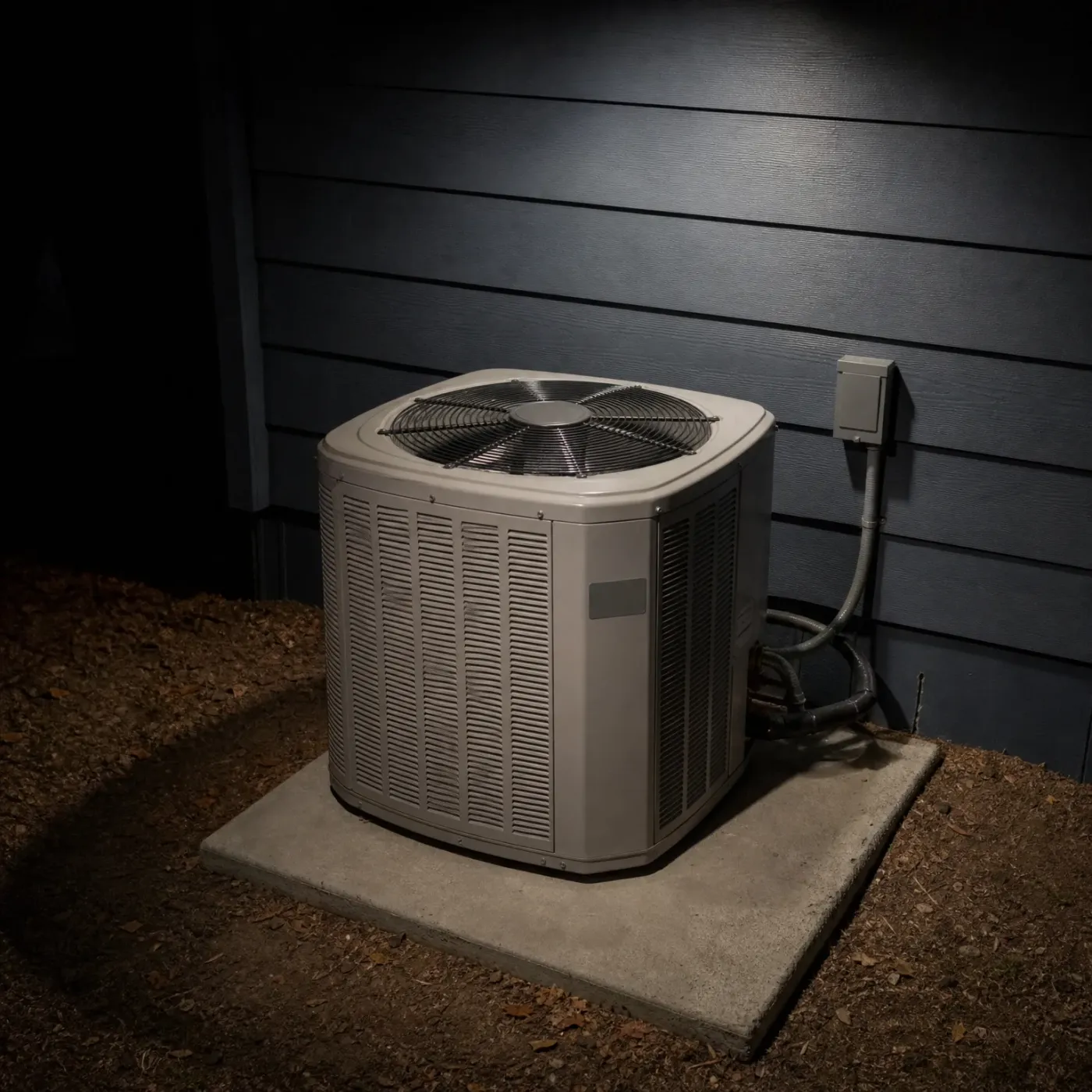
A standard heat pump starts losing ground before the air gets truly cold. Below 40°F it puts out less heat than its rating says. Below about 35°F it usually needs backup heat to make up the difference. The average overnight low here in December, January and February is 18°F, below both of those marks. About 150 nights a year drop to freezing or below, over half the nights in the eight months the heat runs, and every one of them sits below where a standard heat pump starts to struggle.
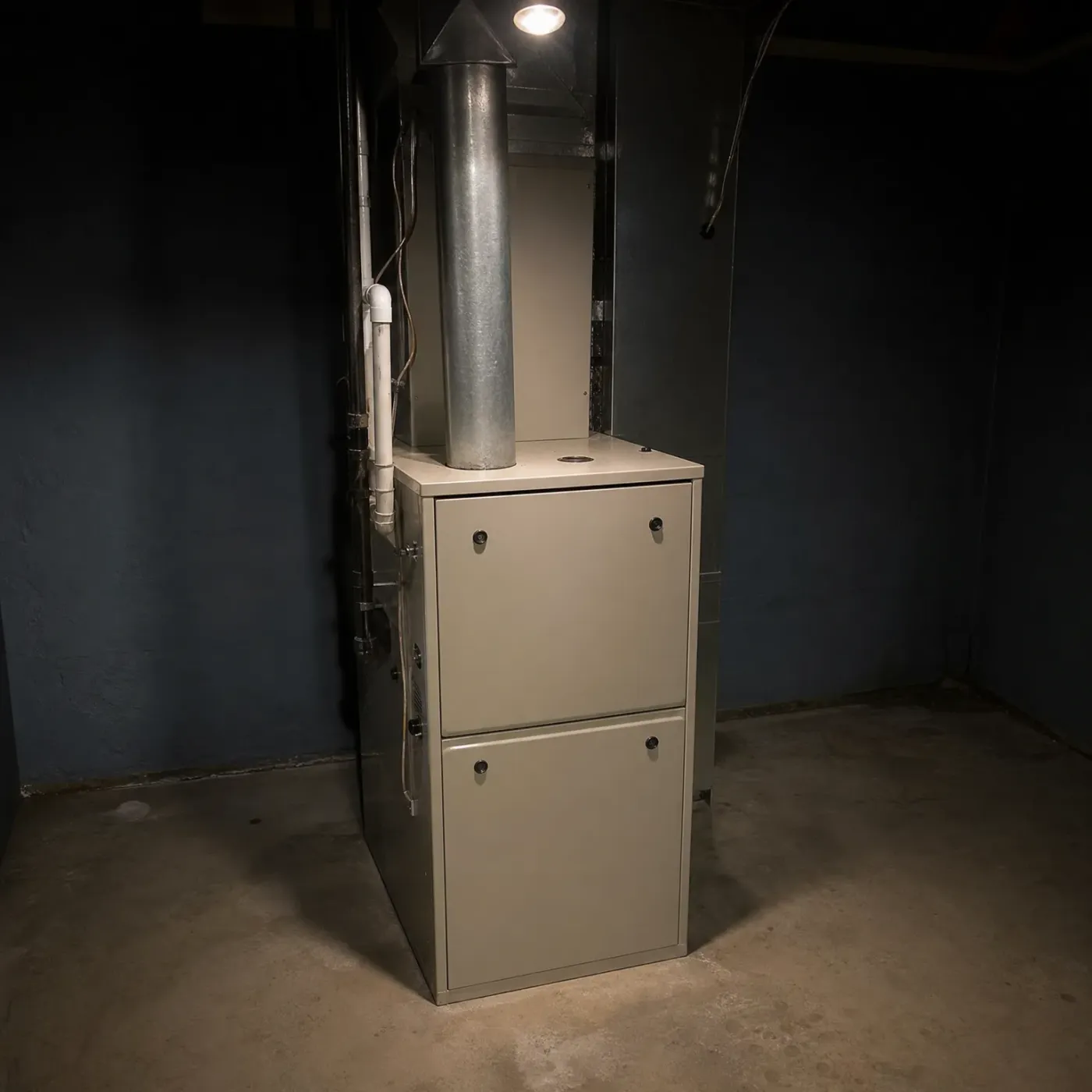
The deep cold is rarer. Only about 10 nights a year reach 0°F or below. That's the range a cold-climate heat pump is built for: the ENERGY STAR Cold Climate spec requires a unit to still make 1.75 units of heat per unit of electricity at 5°F, and hold onto 70 percent of its warm-weather capacity at that temperature, verified by independent testing. A two-winter field test of prototype cold-climate units in occupied homes found backup heat covered only a small share of the heat needed between 0°F and 35°F, and running on backup alone was rare even above 0°F. A furnace doesn't have this problem at all. It burns gas and makes its full rated heat whether it's 30°F outside or far colder.